
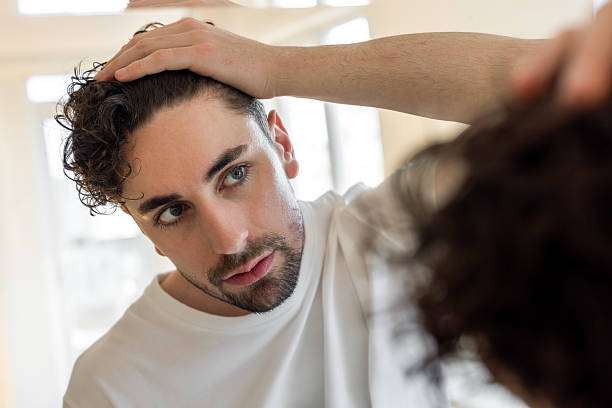

Thinning hair can make the scalp more visible, particularly around the hairline, mid-scalp, and crown. FUT Hair Transplant in Dubai restores coverage by transferring healthy follicular units from the donor area into regions affected by hair loss. The procedure improves the appearance of density by redistributing existing hair follicles rather than creating new ones.
The goal is to achieve coverage that complements the patient’s natural hair pattern. The final appearance depends on graft availability, hair thickness, scalp characteristics, and the way the follicles are positioned.
How FUT Rebuilds the Appearance of Hair Density
Hair density refers to the number of hairs growing within a particular area of the scalp. A transplant can improve visual coverage by placing healthy follicles in areas where natural hair has become sparse or disappeared.
The Role of Follicular Units
Natural scalp hair grows in small groups called follicular units. These units typically contain one to four hairs, and their natural arrangement helps determine how density appears.
During FUT, the surgeon removes a strip of donor scalp and separates it into individual follicular units. The grafts are then prepared for implantation into the recipient area.
How Graft Distribution Affects Coverage
The number of grafts needed depends on the size of the thinning area and the patient’s existing hair density. A smaller area may require fewer grafts, while widespread thinning requires more careful distribution.
The surgeon may prioritize visible regions, such as the frontal hairline, before addressing less noticeable areas. This approach helps balance cosmetic improvement with limited donor resources.
What Determines the Density of Transplanted Hair?
Several factors influence how full the transplanted area may look.
-
Hair thickness: Coarser hair can provide more visual coverage than finer hair.
-
Hair color contrast: Hair that contrasts strongly with the scalp may make thinning more noticeable.
-
Graft composition: Follicular units containing multiple hairs can contribute more coverage.
-
Recipient area size: Larger areas require grafts to be distributed over a wider surface.
-
Natural hair characteristics: Curl, texture, and growth direction affect how hair overlaps.
-
Existing hair: Native hair can contribute to coverage, but continued thinning may change the result.
Why Natural Hairline Design Matters
Hairline design influences the overall appearance of density. A hairline that is too low or too dense may consume donor follicles that could be needed later.
Surgeons often use finer, single-hair grafts along the front edge and larger follicular units behind it. This creates a gradual transition that follows the natural pattern of hair growth.
For more information about graft harvesting and implantation, explore FUT hair transplant in Dubai at Tajmeels Clinic .
Common Questions About Hair Density
Can FUT restore the density of teenage hair?
Usually, that is not a realistic expectation. Transplantation redistributes available follicles, and the donor supply limits how much density can be restored.
Can FUT make thin hair look thicker?
It may improve coverage in selected areas, but the degree of improvement depends on the number of grafts available and the characteristics of the existing hair.
Does a higher graft count always mean better density?
No. Graft quality, placement, recipient area size, and donor limitations all affect the final appearance.
Maintaining Hair Density After Surgery
Transplanted follicles may continue producing hair over the long term, but surrounding native hair can still thin. Follow-up appointments help monitor growth and identify changes that may require additional management.
A personalized consultation can help establish realistic density goals and determine how grafts should be distributed.
For treatment information and hair restoration planning, visit Tajmeels Clinic.