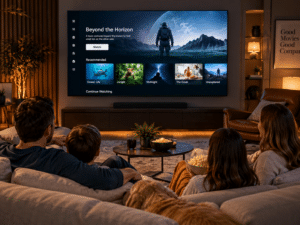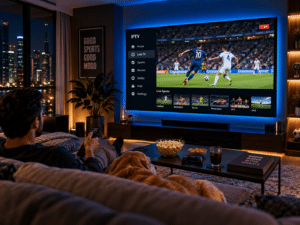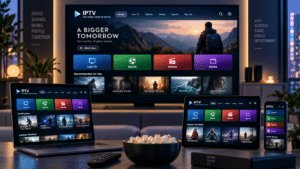

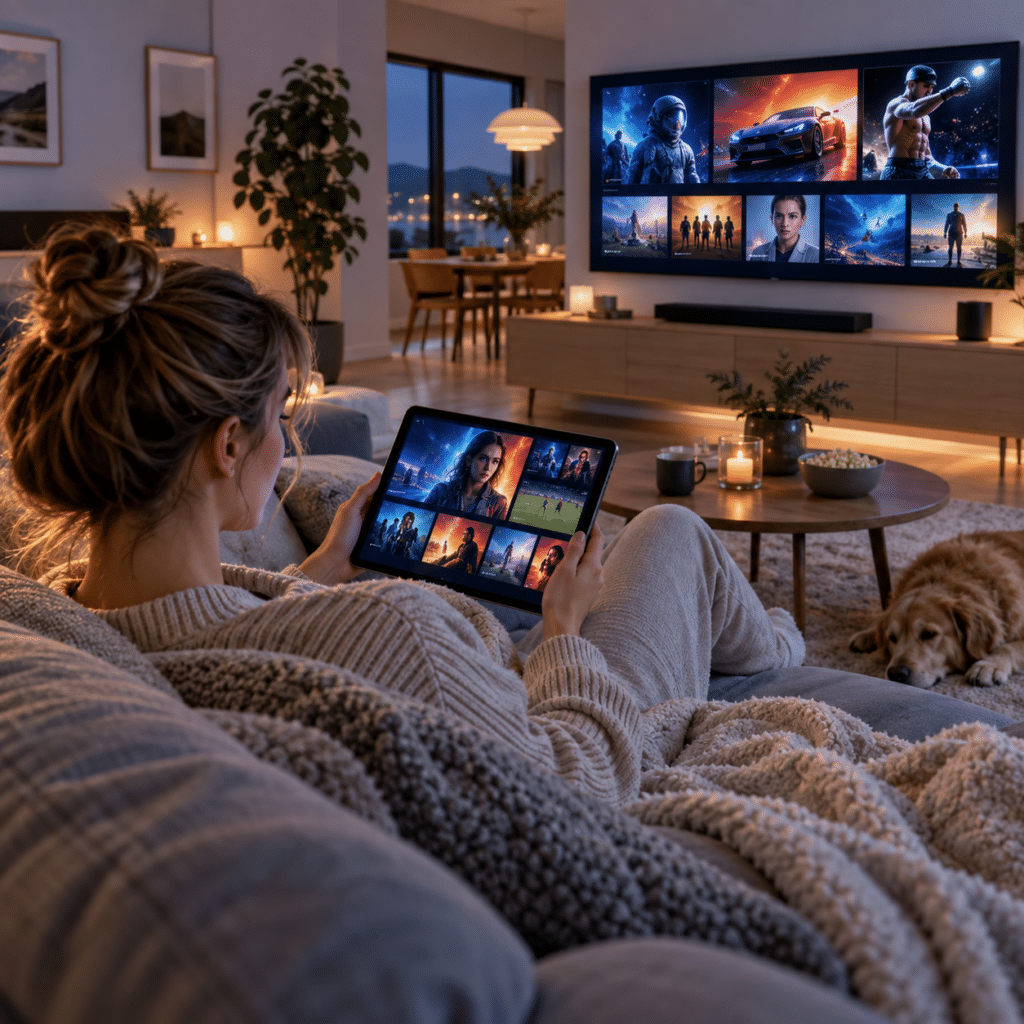

Television apps make it possible to watch live channels, films, and on-demand programs on more than one type of screen. A viewer might use a smart TV in the living room, a smartphone while travelling, or a tablet in another part of the home. However, an application that works smoothly on one device may not offer the same experience on another. Compatibility depends on several technical and practical factors that influence whether an app can be installed, opened, and used correctly.
Understanding these factors helps viewers choose suitable devices and avoid common setup problems. It also explains why app developers must consider operating systems, screen sizes, network conditions, and hardware capabilities when creating television applications. A compatible app should do more than simply launch. It should provide a reliable and accessible viewing experience across the devices it claims to support.
Understanding Television App Compatibility
Television app compatibility refers to an application’s ability to operate correctly on a particular device and its operating system. Smart TVs, streaming boxes, smartphones, tablets, and computers may all use different software environments. Developers must create applications that work with the technical requirements of each supported platform.
For example, a smart television may use Google TV, Android TV, or another manufacturer’s operating system. Smartphones commonly run Android or iOS, while streaming devices may use their own software platforms. Even devices that share a familiar operating system can have different hardware capabilities, screen dimensions, and software versions.
Compatibility is therefore not determined by the device’s brand alone. The application must also meet the platform’s requirements, including supported software versions, processing capabilities, and available system features. This explains why checking compatibility before installing an application can save time and prevent unnecessary troubleshooting.
Why Device Support Matters When Choosing a Television App
A television app becomes more useful when it works across the devices people regularly use. A household may prefer watching programs on a large television but also want the option to continue viewing on a tablet or smartphone. Reliable device support makes this flexibility possible, provided the application is compatible with the operating systems and hardware involved.
However, support for multiple devices does not automatically mean that every version offers identical features. The television version might have a remote-control-friendly interface, while the mobile version may use touch gestures and smaller menus. Some applications also offer browser access for computers, giving users another way to reach available content. Checking the supported platforms and individual application requirements helps viewers understand what to expect before setting up their devices.
The Role of Operating Systems and Software Updates
Operating systems provide the foundation on which television applications run. They manage device functions, permissions, storage, network access, and the software environment needed for apps to operate.
Developers usually build and maintain separate versions of an application for different platforms. An app designed for Android TV, for example, may need adjustments before it can work properly on iOS or a television running another operating system. These adjustments help ensure that menus, playback controls, and navigation behave as expected.
Software versions also matter. An older device may no longer receive operating system updates or may lack features required by a newer application release. As a result, an app that works on a recent television may be unavailable or unstable on an older model.
Users should check the minimum operating system requirements listed by the developer. Keeping both the device software and applications updated can also help address compatibility problems and improve general stability.
Hardware Capabilities and Video Playback
A device needs sufficient hardware resources to run an application and process video smoothly. Important components include the processor, graphics hardware, memory, and available storage.
Video format support is another consideration. Streaming content is delivered using different codecs, which are methods of compressing and decompressing video. H.264 and H.265, for example, are widely used formats, but not every device supports every codec or profile in the same way.
Resolution can also influence playback. A television that supports 4K output does not guarantee that every application or video stream will be available in 4K. The application, device hardware, content format, and subscription or distribution arrangements can all affect the available quality.
When a device struggles with playback, it is useful to check its specifications rather than assuming the internet connection is always responsible. Limited memory, unsupported formats, or outdated hardware may also contribute to interruptions.
Designing an Interface for Different Screens
An application must adapt its layout to the screen and input method of each device. A television interface is usually controlled with a remote, so buttons and menu options need to be easy to navigate from a distance. A smartphone interface, on the other hand, must accommodate touch controls and a much smaller display.
Good interface design also considers readability and accessibility. Text should remain clear, navigation should be predictable, and important controls should not be difficult to locate. The layout should adjust to different screen resolutions without hiding essential information or making menus difficult to use.
These details matter because technical compatibility alone does not guarantee a comfortable user experience. An application may install successfully but still be frustrating if its interface has not been adapted properly for the device.
Internet Connection and Streaming Performance
Television applications also depend on the device’s ability to connect reliably to the internet. Wi-Fi, Ethernet, and mobile data connections can all be used for streaming, but their performance varies according to network conditions.
Video streaming typically uses adaptive bitrate technology to adjust playback quality according to available bandwidth. When a connection becomes slower, the application may reduce video quality to maintain playback. If the connection becomes unstable or loses access entirely, buffering or interruptions may occur.
Users can improve their setup by checking Wi-Fi signal strength, limiting unnecessary network activity, and positioning the router where connected devices can receive a stable signal. A wired Ethernet connection may also help when a television is close enough to the router.
Check Compatibility Before Installing an App
A few simple checks can help users determine whether a television application is suitable for their equipment:
-
Confirm that the app supports the device’s operating system and software version.
-
Review the developer’s official compatibility information.
-
Check available storage and hardware requirements.
-
Confirm that the device supports the necessary video formats.
-
Look for supported screen types and remote-control or touch-navigation features.
-
Review any account or simultaneous-device restrictions that may apply.
Downloading applications from official app stores or trusted developer sources is also important. Unofficial installation files may be outdated, modified, or unsuitable for a particular device.
Conclusion
Television app compatibility depends on more than whether an application can be installed. Operating systems, hardware capabilities, video formats, interface design, and internet performance all influence how well it works across different devices.
Before choosing an application, users should review its supported platforms and compare those requirements with their existing equipment. Developers, meanwhile, need to account for the differences between televisions, streaming devices, mobile screens, and computers. When these factors are considered together, viewers have a better chance of enjoying a consistent and convenient television experience across their preferred screens.