
Chemical peels and microneedling are professional skin treatments that address different aspects of skin appearance. A Chemical Peel in Dubai focuses primarily on controlled exfoliation and selected surface-level concerns, while microneedling uses fine needles to create controlled micro-injuries that stimulate the skin’s repair response.
Both procedures may be considered for uneven texture, acne-related concerns, and visible signs of ageing, but they are not interchangeable. Understanding their mechanisms, treatment goals, and recovery requirements helps patients choose an approach based on their individual skin condition.
How a Chemical Peel in Dubai Works on the Skin Surface
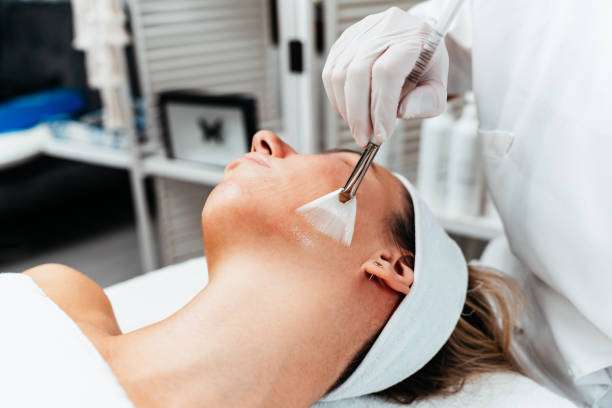
A chemical peel uses a professionally selected acid formulation to loosen the connections between dead surface skin cells. This controlled exfoliation encourages the shedding of accumulated cells and supports epidermal renewal.
The treatment depth depends on the acid type, concentration, pH, application method, and contact time. Superficial peels primarily affect the outer epidermis, while medium-depth treatments reach further into the skin and generally involve more recovery.
A peel may be considered for selected concerns such as:
-
Dullness and uneven skin tone.
-
Superficial pigmentation.
-
Mild roughness and irregular texture.
-
Selected acne-related congestion.
-
Some superficial post-inflammatory marks.
The suitability of a peel depends on the cause and depth of the concern. Deeper scars and dermal pigmentation may require a different treatment strategy.
Read More: Glandular Excision vs Lipo Chest Surgery in Dubai
Chemical Peel in Dubai for Surface Tone and Texture
The outer skin layer can accumulate dead cells, making the complexion look dull or uneven. A suitable peel may improve the appearance of superficial irregularities by encouraging controlled exfoliation.
Different acids have different properties. Glycolic, lactic, mandelic, and salicylic acid may be considered for different concerns, depending on skin type and tolerance.
The goal is to select a formulation that matches the skin rather than using the strongest available option.
How Microneedling Supports Collagen Remodeling
Microneedling uses a device fitted with fine sterile needles to create controlled microchannels in the skin. These tiny injuries activate a wound-healing response involving inflammatory signalling, cellular repair, and collagen-related processes.
As the skin responds, changes in collagen and other structural components may gradually influence the appearance of selected textural concerns.
Microneedling may be considered for:
-
Certain atrophic acne scars.
-
Uneven skin texture.
-
Selected fine lines.
-
Some forms of enlarged-looking pores.
-
Skin concerns where dermal remodeling is an objective.
The depth and technique must be adjusted according to the treatment area and skin condition. More aggressive needling is not automatically more effective and may increase the risk of complications.
Understanding the Collagen Response
Collagen is a structural protein that contributes to skin strength and support. Microneedling aims to stimulate a controlled repair response that may influence collagen production over time.
Results are gradual and depend on the patient’s skin, treatment settings, number of sessions, and the concern being addressed. Microneedling does not guarantee complete correction of scars or wrinkles.
Chemical Peel in Dubai vs Microneedling: The Main Differences
| Feature | Chemical peel | Microneedling |
|---|---|---|
| Primary mechanism | Chemical exfoliation | Controlled mechanical micro-injury |
| Main treatment focus | Surface tone, superficial pigmentation, and texture | Selected textural concerns and collagen-related remodeling |
| Treatment depth | Depends on peel formulation and depth | Depends on needle length and technique |
| Common recovery effects | Dryness, redness, tightness, or flaking | Redness, sensitivity, and temporary swelling |
| Visible peeling | May occur depending on peel depth | Not usually the main recovery feature |
| Results | Depend on exfoliation depth and skin concern | Develop gradually through the repair response |
The most useful distinction is the treatment objective. A peel primarily targets selected surface concerns, whereas microneedling is generally selected when controlled dermal stimulation is part of the treatment plan.
Which Treatment May Suit Uneven Pigmentation?
Superficial epidermal pigmentation may respond to a carefully selected chemical peel. However, pigment disorders are not all alike.
Melasma, post-inflammatory hyperpigmentation, and sun-related spots can have different causes and depths. Some conditions may worsen after inflammation, making conservative treatment selection particularly important.
Microneedling is not automatically a better alternative for pigmentation. The procedure itself creates controlled injury, which can trigger unwanted pigment changes in susceptible skin.
A dermatologist should assess the pigmentation pattern, skin tone, history of irritation, and previous treatment response before recommending either approach.
Choosing Between a Chemical Peel in Dubai and Microneedling for Acne Scars
Acne scars vary in shape, depth, and underlying structure. Some are shallow and superficial, while others extend into deeper dermal layers.
A chemical peel may improve superficial irregularities and selected post-acne marks. It is generally less suited to correcting deep atrophic scars.
Microneedling may be considered for certain atrophic acne scars because its intended action includes dermal remodeling. However, scar type matters. Deep ice-pick scars, tethered scars, and extensive textural changes may need different or combined medical approaches.
A proper assessment should distinguish active acne, pigmentation left after acne, and permanent changes in skin structure.
Skin Type, Sensitivity, and Pigmentation Risk
Both treatments can cause irritation, and both require appropriate patient selection.
People with darker skin tones or a history of post-inflammatory hyperpigmentation may need particular care. Inflammation caused by an unsuitable peel or overly aggressive needling can lead to persistent colour changes.
Treatment may need to be postponed if the skin has active infection, open wounds, significant inflammation, or a compromised barrier.
Patients should disclose previous cold sores, keloid scarring, medication use, and any history of unusual healing reactions.
Can Chemical Peels and Microneedling Be Combined?
Some treatment plans use different procedures at separate stages to address multiple concerns. However, combining them too closely can increase inflammation and interfere with recovery.
The appropriate sequence depends on the skin’s condition, treatment depth, and the reason for each procedure. A practitioner should establish suitable intervals and confirm that the skin has recovered before another treatment is performed.
Combining treatments is not necessary for every patient, and more procedures do not automatically produce better results.
Clinic Note
A chemical peel and microneedling work through different biological mechanisms. The choice should reflect whether the primary concern is superficial tone and texture or a deeper structural issue such as selected atrophic scars. Patients should receive an individual assessment rather than selecting a procedure based on general claims about collagen or skin renewal.
Frequently Asked Questions
Is a Chemical Peel in Dubai better than microneedling?
Neither treatment is universally better. A peel may be more appropriate for selected superficial tone and texture concerns, while microneedling may be considered for certain textural scars and collagen-related goals.
Which treatment is better for acne scars?
It depends on the type of scarring. Superficial marks may be approached differently from deep atrophic scars, which may require procedures designed to address dermal structure.
Does microneedling treat pigmentation?
Microneedling is not a universal pigmentation treatment. Inflammation after the procedure can cause pigment changes in susceptible skin, so careful assessment is important.
Which procedure has more downtime?
Recovery varies by treatment intensity. Superficial peels may cause dryness or flaking, while microneedling commonly causes temporary redness and sensitivity. More intensive treatments can involve longer recovery.
Can I have both treatments?
Possibly, but they should be planned carefully and not performed close together without professional guidance. The skin must have enough time to recover between procedures.
Selecting the Right Skin Treatment at Tajmeels Clinic
Choosing between exfoliation and collagen-focused treatment begins with identifying the main skin concern and understanding its depth. Tajmeels Clinic encourages personalised assessment and realistic treatment planning based on skin condition, sensitivity, and desired outcomes. If you are considering a Chemical Peel in Dubai, a consultation can help establish whether a peel or another approach is more suitable for your goals.