
Ask a surgeon what slows a long liposuction case, and you will hear many answers. Some blame dense tissue. Others point to tired hands or weak suction. Few look at the steel itself. Yet the cannula sets the pace for every stroke. Its ports decide how much fat enters. Its tip decides how smoothly it travels. Its channel decides whether tissue flows or jams. I have watched two surgeons treat similar abdomens with different tools. One finished far sooner and left cleaner contours. The difference was not skill alone. It was design. This article explains how flow-focused design works and what to look for before you buy. It also covers handling habits that keep speed and safety together. Read on, and judge every product claim with practical eyes.
What Really Slows Fat Aspiration
Fat does not slide through steel like water. It is a thick blend of cells, fluid, and tough fibrous strands. Tumescent solution loosens it, but resistance remains. Clogs form when strands bridge a port. Flow stalls when the channel narrows or turns sharply. Rough inner walls add drag. Each small delay forces another pass over the same zone. More passes mean more friction, more heat, and more swelling afterward. Many clinics respond by turning up the vacuum. That choice often backfires. Strong suction pulls tissue hard into the ports and bruises it. A better answer improves the path the fat travels. Port size, tip taper, and channel finish matter more than raw pressure. Start there before you blame the machine. Small design gains add up across hundreds of strokes.
A well-built accelerator liposuction cannula attacks those delays through geometry instead of force. Makers use the name loosely, so features vary. Most designs combine larger or staggered ports with a rounded, tapered tip. Many add a polished inner channel to cut drag. The goal is simple. More fat should enter per stroke, and less should stall inside. Surgeons notice the gain in dense abdominal tissue first. Fewer passes cover the same zone, which lowers heat at the skin entry. Faster flow never means harsher removal, though. You still control depth, angle, and volume. Read the specification sheet before you buy, because port counts and hole sizes differ between brands. Ask for a sample, and test it on a model. Judge the tool by your own results, not by brochure language.
Design Features That Drive Speed
Ports and Inner Channel
Ports do most of the work. A single large hole grabs fat in clumps and can leave ridges. Staggered ports share the load along the shaft. Fat enters from several points, so each stroke feels even. Spiral layouts add balance, because one side never carries everything. Hole size needs care. Tiny holes clog on fibrous strands. Oversized holes may catch skin or deep fascia. Look closely at the edges. They should be rounded and deburred, because a sharp rim scrapes cells and raises bruising. Then look inside. A polished channel lets tissue glide, while a rough one drags and traps debris. Hold each shaft under bright light before sterilization. Reject any piece with burrs, scratches, or dull spots. Small flaws here cost minutes across a full case.
Tip, Diameter and Balance
The tip shapes how smoothly the tool travels. A tapered, bullet-style tip follows natural tissue planes. It pushes vessels aside instead of cutting them. A wide, blunt tip meets more resistance and tires the wrist. Very sharp tips cut fibrous bands but raise perforation risk. Diameter changes the volume per pass. Wider shafts of 4 to 6 millimeters suit the abdomen and flanks. Narrow shafts of 2 to 3 millimeters suit the arms and chin. A fast design loses its edge when the size does not match the zone. Weight matters too. A heavy hub strains the hand over long cases. Hold the instrument for several minutes before buying. Move it through your usual arcs, and notice any drift or strain.
Using Speed Safely
Speed only helps when technique stays careful. Wait the full time after infiltration, so epinephrine can shrink vessels. Work in fan patterns, and cross-tunnel from two directions. Keep strokes slow, long, and even. Rushing leaves grooves no design can fix. Check the surface often by pinching the skin. Keep the vacuum within your usual safe range, because the design already improves flow. Clear the cannula if flow drops, and inspect the ports for clogs. Take regular breaks to protect your grip and focus. Track your numbers during a trial. Count strokes and minutes per zone, and note bruising at follow-up. Compare the results with your current tool across several similar cases. Real data from your own patients is far stronger than any sales claim.
Buying and Care Checklist
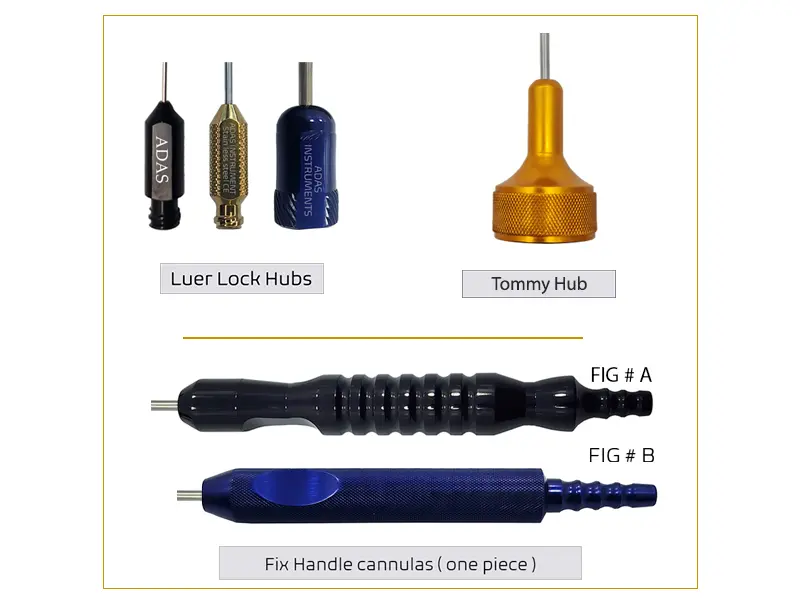
Good buying habits protect both budget and patients. Choose surgical-grade stainless steel with a polished finish. Ask for sterilization documentation and lot numbers. Decide between single-use and reusable tools based on case volume. Single-use items remove reprocessing errors. Reusable ones cost less per case but need logged cycles and regular inspection. Confirm that the hub fits your handpiece or tubing. Loose fits leak air and weaken suction. Check regulatory status for your region, such as CE marking or FDA clearance. Order a small sample set before any bulk purchase. Let two surgeons test it and compare notes. Keep spare sizes for urgent cases. Retire any shaft that looks bent, scratched, or dull. Choose a supplier who answers technical questions quickly and clearly.
Frequently Asked Questions
Does a wider port always mean faster removal?
No. Oversized ports can catch tissue. Balanced, staggered ports usually flow better.
Can I raise vacuum with a faster design?
No. Stay in your usual range. The design improves flow without extra pressure.
How do I test a new design fairly?
Use it on similar cases. Count strokes and minutes per zone, then compare.
Which zones benefit most?
Dense areas like the abdomen and flanks. Delicate areas still need slow, fine tools.
When should I retire a reusable shaft?
When you see bends, scratches, or dull edges. Also retire it at your logged cycle limit.
Final Thoughts
Speed comes from smart geometry, not extra force. Staggered ports, tapered tips, and polished channels move fat faster and protect tissue. Match size to the zone, test samples, and track your results. Retire worn tools early, and keep your technique slow and steady.