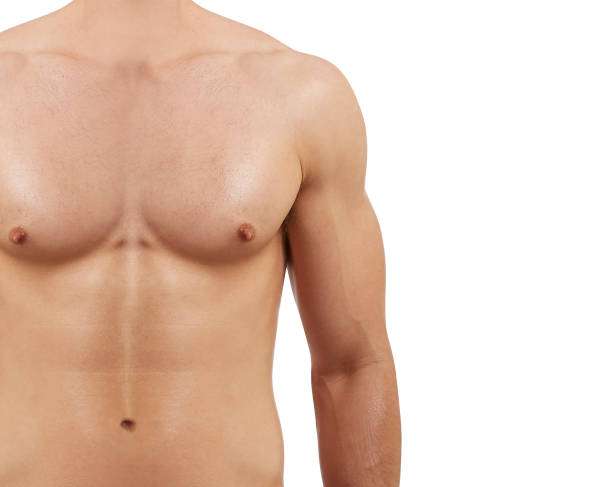

Male chest enlargement can result from fatty deposits, enlarged glandular tissue or a combination of both. Lipo Chest Surgery in Dubai may be considered when excess fat is the main cause of fullness, while glandular excision may be needed when breast tissue contributes significantly to the chest’s appearance.
Although both approaches can be used in male chest reduction, they address different types of tissue. Understanding this distinction helps patients prepare for a more informed surgical consultation.
Understanding Lipo Chest Surgery in Dubai
Chest liposuction is a surgical procedure that removes selected fat deposits through small incisions. The surgeon inserts a cannula beneath the skin and uses controlled movements to remove fat while refining the chest contour.
The procedure may be appropriate for men whose chest fullness is primarily caused by localized fat and whose skin can adapt reasonably well after the underlying volume decreases.
Liposuction does not directly remove all glandular tissue. A patient with substantial glandular enlargement may continue to have fullness around the nipple area if the treatment only targets fat.
What Is Glandular Excision?
Glandular excision is a surgical technique used to remove enlarged glandular breast tissue. It may be considered for men with gynaecomastia when dense tissue contributes to the chest’s shape.
The surgeon determines the incision location according to the tissue involved and the required correction. Incisions may be placed near the edge of the areola in suitable cases, although the approach varies.
Excision can create a different scar pattern from liposuction, and it carries its own risks. The procedure should be planned according to the patient’s anatomy rather than performed automatically whenever chest fullness is present.
Comparing the Two Surgical Approaches
| Feature | Chest Liposuction | Glandular Excision |
|---|---|---|
| Main target | Fat deposits | Enlarged glandular tissue |
| Primary purpose | Reduce fatty fullness and refine contour | Remove glandular enlargement |
| Incisions | Small access points | Depends on tissue location and extent |
| Scarring | Small scars may occur | Scars depend on incision placement |
| Skin considerations | Skin elasticity affects the final contour | Excess skin may require additional correction |
| Possible combined treatment | Yes | Yes, when fat and glandular tissue coexist |
The choice is not always between one technique and the other. Some patients may benefit from a combination when both types of tissue contribute to the enlargement.
How to Determine Which Approach May Be Suitable
The surgeon begins with a medical history and physical examination. The assessment may include the distribution of chest fat, the presence of firm tissue beneath the areola, skin quality and any differences between the two sides.
The clinician may also ask about the onset of enlargement, tenderness, medication use and other health factors.
If the enlargement is recent, painful, one-sided or associated with a lump or nipple discharge, further medical assessment may be needed before cosmetic surgery is considered.
When a Combined Procedure May Be Considered
When both fatty deposits and enlarged glands contribute to the chest’s appearance, the surgeon may recommend liposuction together with glandular excision.
The purpose is to address each component while maintaining a natural chest contour. However, combining procedures does not guarantee perfect symmetry or a particular aesthetic result.
Patients should ask why both techniques are being proposed, what scars may result, how sensation could be affected and what alternatives are available.
Recovery Differences and Aftercare
Recovery depends on the amount of tissue removed, the surgical technique and individual healing.
Following either procedure, patients may experience swelling, bruising, tenderness and temporary changes in sensation. A compression garment may be recommended, and strenuous exercise may need to be restricted for a period specified by the surgeon.
Glandular excision may involve additional incision care, depending on the technique. Patients should obtain clear instructions about wound care, bathing, medication and follow-up visits.
Increasing pain, fever, unusual drainage or rapidly increasing swelling should be reported promptly. Chest pain or breathing difficulty requires urgent medical attention.
Read More: A Comprehensive Guide to Breast Implants in Dubai
Risks and Realistic Expectations
Both procedures carry risks, including infection, bleeding, fluid accumulation, scarring, asymmetry, contour irregularities and changes in sensation. Anaesthesia also has potential risks.
Liposuction can leave residual fullness if glandular tissue is not addressed. Excision can also leave residual tissue or create contour irregularities if the result is not balanced with the surrounding chest.
A thorough consultation should explain the likely benefits and limitations of the recommended approach.
Frequently Asked Questions
Is glandular excision the same as chest liposuction?
No. Liposuction removes fat, while glandular excision removes enlarged glandular breast tissue.
Can liposuction and glandular excision be performed together?
Yes, a surgeon may recommend both when fat and glandular tissue contribute to chest enlargement.
Does glandular excision leave a visible scar?
Scarring is possible. Its appearance depends on incision placement, healing and individual skin characteristics.
Can exercise remove enlarged glandular tissue?
Exercise can influence body composition, but it does not reliably remove enlarged glandular breast tissue.
How can I find out which procedure I need?
A qualified clinician can assess the cause of the enlargement and explain the treatment options based on your anatomy and medical history.
Clinic Note
Selecting a surgical technique based only on the outward appearance of the chest can lead to unrealistic expectations. Identifying whether fat, glandular tissue or excess skin is responsible helps guide appropriate treatment planning.
Discuss Your Options at Tajmeels Clinic
Men concerned about chest fullness can consult Tajmeels Clinic in Dubai to discuss their goals and receive an individual assessment. A consultation can help clarify whether liposuction, glandular excision or a combination may be suitable.
For additional information, explore Lipo Chest Surgery in Dubai and ask a qualified medical professional about the approach that best fits your circumstances.