
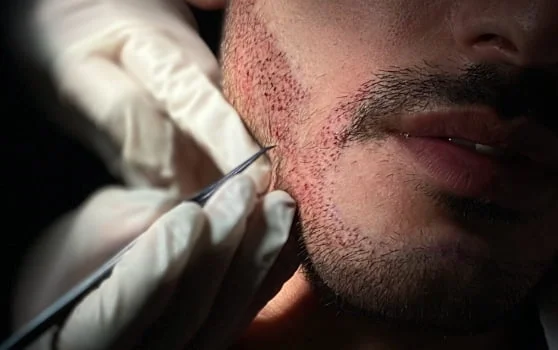

A Beard Hair Transplant in Dubai is designed to provide long-term facial hair growth by relocating viable follicles from a suitable donor area into regions where beard density is limited or absent. Because the transplanted follicles are living hair-producing units rather than temporary cosmetic camouflage, they can continue growing after they establish themselves.
That does not mean every transplanted hair behaves identically forever.
Hair naturally changes with age, and the condition of the surrounding native beard can also evolve. Understanding the difference between long-term transplanted follicle survival and the normal aging process is important when considering beard restoration.
Why Transplanted Beard Hair Can Be Long Lasting
Hair transplantation works by moving follicles rather than simply moving visible hair.
A follicular unit contains the structures responsible for producing hair. When a suitable follicle is successfully transplanted and establishes itself in the recipient area, it can continue producing hair through its normal growth cycles.
This is fundamentally different from beard fibers, pigmentation, or temporary styling products.
The donor area matters
The long-term behavior of transplanted hair is closely linked to the characteristics of the donor follicles.
A clinician assesses donor stability, hair caliber, follicular structure, and the likelihood that the selected follicles will remain productive over time.
The goal is to choose suitable grafts rather than simply harvest as many follicles as possible.
Does Transplanted Beard Hair Keep Growing?
Once established, transplanted follicles can continue to cycle through growth and resting phases.
This means the hair does not necessarily grow continuously at the same rate. It follows the biological behavior of hair follicles, with individual hairs entering different phases at different times.
Over the long term, transplanted beard hair can therefore require ordinary grooming such as trimming and shaving.
Why Early Shedding Does Not Mean Permanent Hair Loss
One of the most confusing parts of transplantation is the early shedding phase.
A transplanted hair shaft can fall out while the underlying follicle remains in place. The follicle may then enter a resting phase before producing a new hair.
Patients who are unaware of this normal process may assume the transplant has failed.
The visible hair and the follicle responsible for future growth are not the same thing.
What Can Influence Long-Term Results?
Several factors contribute to how a beard transplant develops over time.
These include:
- Donor follicle quality
- Appropriate graft selection
- Careful follicle handling
- Recipient-site design
- Implantation angle
- Existing beard density
- Individual healing
- Native facial hair changes
- Long-term grooming habits
The procedure creates the foundation, but biological factors still influence the final appearance.
Natural Aging Still Continues
A permanent or long-lasting transplant does not stop the rest of the face from aging.
Native beard follicles can change with age. Hair may become finer, slower-growing, or less dense over the years.
Skin also changes. Collagen levels, elasticity, pigmentation, and facial contours can gradually shift.
The transplanted follicles may continue producing hair while the surrounding face changes naturally.
Why this distinction matters
Patients sometimes interpret “permanent” as meaning that the face will look exactly the same decades later.
That is not how biological tissue behaves.
A more accurate expectation is that appropriately transplanted follicles are intended to provide long-term hair growth while the beard and face continue their natural aging process.
Can Transplanted Beard Hair Be Shaved?
In general, transplanted beard hair can be groomed once the follicles and skin have completed the appropriate healing stages.
Patients should not rush into aggressive shaving or trimming immediately after treatment.
The exact timing should follow the clinic’s post-treatment instructions because the recipient skin needs time to recover.
Once healed, transplanted beard hair can generally be incorporated into normal grooming routines.
What About Dubai’s Climate?
Long-term beard growth is not inherently compromised by living in Dubai.
However, the skin surrounding the beard still benefits from sensible care.
Strong UV exposure can contribute to premature skin aging and pigmentation changes. Regular sun protection is therefore useful not only after transplantation but as part of long-term facial skin care.
Indoor air-conditioning can also contribute to dryness, while heat and humidity can increase sweating.
These environmental factors affect skin comfort and grooming rather than changing the fundamental biology of a properly established transplanted follicle.
Can Lifestyle Affect the Appearance of the Beard?
The follicles themselves are living tissue, so overall health and skin condition remain relevant.
Grooming habits also matter aesthetically.
Frequent close shaving does not inherently remove a healthy follicle, because shaving cuts the hair shaft above the skin rather than extracting the follicle from beneath it.
However, harsh grooming practices can irritate the skin.
Permanent Does Not Mean Maintenance-Free
A beard transplant can provide lasting hair growth, but the beard still requires ordinary grooming.
Patients may need to:
- Trim the beard
- Shape the cheek line
- Maintain the jawline
- Manage hair length
- Care for facial skin
- Protect the skin from excessive sun exposure
The transplant provides follicles. It does not eliminate the normal responsibilities of beard care.
Clinic note: When discussing permanence, distinguish between the long-term behavior of transplanted follicles and the natural aging of the surrounding beard. A lasting transplant does not freeze the face in time.
Patient Concern: “Will I Need Another Transplant Later?”
Not necessarily.
Many patients undergo a single procedure designed around their existing beard pattern and donor supply.
However, future treatment can depend on how the native beard changes, whether the original restoration was conservative, and what aesthetic goals evolve over time.
This is why donor preservation is important even when the immediate treatment area is relatively small.
Patient Concern: “Can the Transplanted Hair Fall Out Years Later?”
Transplanted follicles are selected for their suitability and expected long-term stability.
However, no responsible clinician should describe any biological tissue as completely immune to every future change.
Individual hair behavior varies, and the surrounding native beard can also change with age.
Patient Concern: “Will the Transplanted Hair Look Natural Permanently?”
Naturalness depends on more than follicle survival.
If the beard is designed appropriately from the beginning, transplanted follicles can become part of the patient’s normal grooming pattern. Facial proportions, hair direction, density, and the relationship between transplanted and native hair remain important as the beard matures.
How Long-Term Beard Restoration Develops
- Initial placement
Carefully selected follicles are implanted into the planned facial areas. - Early healing
The recipient skin begins recovering. - Temporary shedding
Some visible hair shafts may shed as follicles enter a new growth cycle. - New follicular activity
Transplanted follicles gradually begin producing new hair. - Progressive thickening
The beard becomes more visible and established over subsequent months. - Long-term grooming
Mature transplanted hair can be trimmed, shaped, or shaved according to personal preference. - Natural aging
The transplanted beard continues to exist within an aging face and alongside native facial hair.
A Long-Term Approach to Beard Restoration
The most durable-looking result begins with realistic planning.
A well-designed beard should not depend on an unusually dense appearance that may look disproportionate as the surrounding face changes. Instead, the restoration should complement the patient’s natural facial architecture.
That means considering donor supply, beard shape, hair direction, density, and future grooming preferences from the beginning.
Explore Long-Term Beard Restoration at Tajmeels Clinic
Tajmeels Clinic approaches beard transplantation as a long-term facial hair restoration procedure, with attention to donor follicle selection, natural growth direction, facial proportions, and sustainable graft planning.