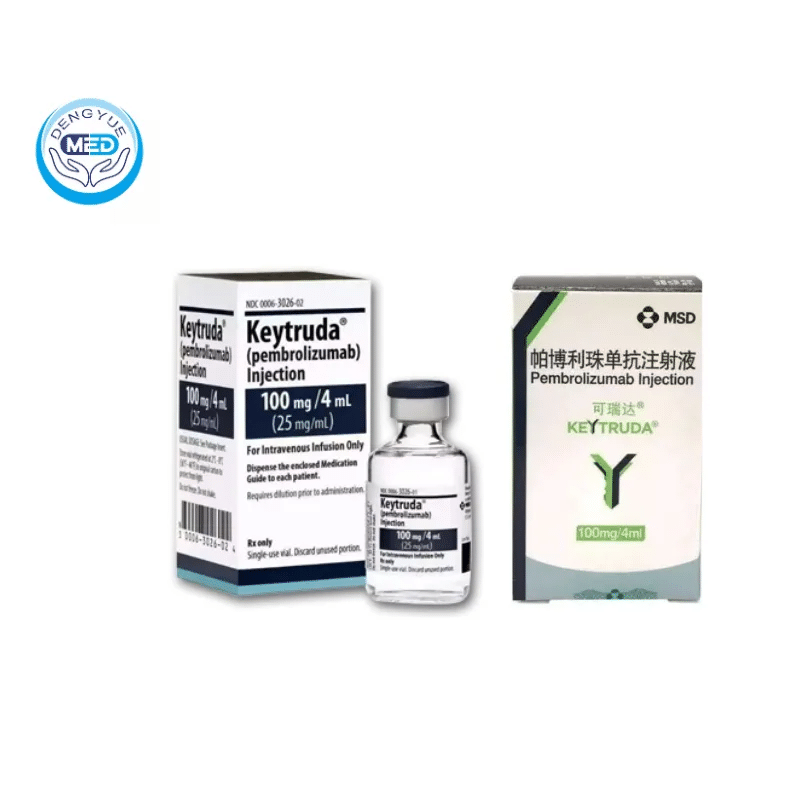

In September 2026, Merck (MSD) announced that pembrolizumab injection for subcutaneous use (MK-3475A) had been approved by China’s National Medical Products Administration (NMPA), covering 19 solid tumor indications. This development introduces a new administration option for cancer immunotherapy.
Pembrolizumab, marketed as Keytruda®, is a PD-1 immune checkpoint inhibitor used to treat various types of cancer. Traditional intravenous (IV) administration typically requires an infusion lasting approximately 30 minutes, while the newly approved subcutaneous formulation can be administered in approximately 1–2 minutes, offering an alternative administration option for eligible patients.
For patients who require regular immunotherapy, shorter administration times may help reduce the time spent receiving treatment and allow healthcare facilities to manage treatment schedules more efficiently.
Importantly, this development is not simply a change in the injection method. It involves a new formulation designed to enable pembrolizumab, which has traditionally been administered by intravenous infusion, to be delivered through subcutaneous injection.
What Are the Key Features of Subcutaneous Pembrolizumab?
1. How Does Pembrolizumab Work Through the PD-1 Pathway?
Pembrolizumab belongs to a class of medicines known as immune checkpoint inhibitors. In simple terms, the immune system can recognize and eliminate abnormal cells. However, some tumors exploit immune regulatory pathways, including PD-1 and PD-L1, to reduce the ability of immune cells to recognize and attack cancer cells.
Pembrolizumab blocks the PD-1 pathway, helping restore aspects of T-cell-mediated antitumor immune activity and enabling the immune system to better target cancer cells.
It is important to note that immunotherapy does not work for every patient. Treatment outcomes can vary depending on the cancer type, disease stage, relevant biomarkers, previous treatments, and other individual factors.
2. The New Formulation Combines Two Components
MK-3475A combines pembrolizumab with berahyaluronidase alfa, a recombinant human hyaluronidase variant developed by Alteogen. Hyaluronidase temporarily modifies the hyaluronan-related barrier in subcutaneous tissue, helping the medicine disperse and be absorbed from the injection site.
This formulation design enables pembrolizumab to be administered subcutaneously, providing an alternative to the traditional intravenous infusion method.
3. Shorter Administration Time and More Flexible Treatment Scheduling
Compared with traditional intravenous infusion, one of the most noticeable features of the subcutaneous formulation is its shorter administration time.
- Administration time: In the relevant Phase III clinical study, the median administration time for the subcutaneous formulation was approximately 2 minutes.
- Dosing frequency: The dosing interval depends on the approved treatment regimen. Patients and healthcare professionals should refer to the locally approved prescribing information for the applicable schedule.
- Treatment workflow: Shorter administration times may reduce the time required for part of the treatment process. However, patients still need appropriate disease assessments, treatment monitoring, and medical care.
For patients receiving long-term cancer treatment, a change in administration method may improve certain aspects of the treatment experience. Nevertheless, a shorter injection time does not mean that the entire clinical visit takes only a few minutes, nor does it mean that patients can administer the medicine themselves at home.
What Does This New Formulation Mean for Patients and Cancer Treatment?
As cancer treatment continues to advance, pharmaceutical innovation involves not only new targets and mechanisms of action but also improvements in drug administration and treatment workflows.
The approval of subcutaneous pembrolizumab reflects further development in the formulation of an established anticancer medicine. For eligible patients, the shorter administration time may reduce the time spent receiving treatment at healthcare facilities. It may also help hospitals and clinics manage treatment resources more efficiently.
However, the availability of a new formulation does not automatically expand the range of patients who are eligible for treatment. Whether subcutaneous pembrolizumab is appropriate depends on factors such as cancer type, disease stage, previous treatment, the patient’s overall condition, and the locally approved prescribing information. Patients should not switch from intravenous to subcutaneous treatment without consulting their treating healthcare professional.
In addition, approved indications, product specifications, dosing instructions, and launch timelines may differ across countries and regions. When reviewing medicine information, it is important to verify not only the generic and brand names but also the specific formulation, regulatory approval status, and local requirements.
DengYue RX: Keeping Up with Drug News and Global Pharmaceutical Supply
DengYue RX continues to follow developments in innovative medicines, pharmaceutical regulations, and global pharmaceutical supply. Our aim is to help readers understand the significance of new drug approvals and the potential practical implications of new formulations.
The approval of subcutaneous pembrolizumab in China represents an important development in the administration of cancer immunotherapy. It also highlights the potential role of formulation technology in improving treatment workflows.
From a global pharmaceutical supply and procurement perspective, the launch of a new formulation also makes it important for healthcare institutions, qualified procurement buyers, and pharmaceutical supply chain partners to verify the registration status, product specifications, storage and transportation requirements, and relevant compliance documentation in their target markets.
Product information should be checked separately for each market. Medicines should not be assumed to be identical in every respect solely because they share the same generic name.