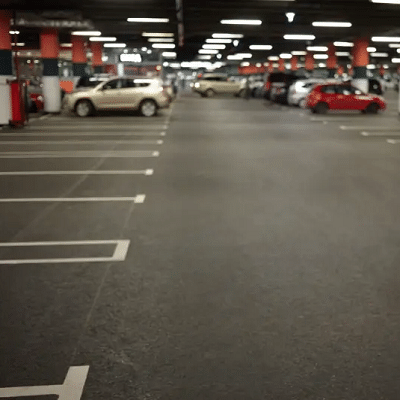

Parking problems are a common challenge for businesses, commercial buildings, shopping malls, residential communities, hospitals, and event venues. Poorly organized parking can lead to traffic congestion, frustrated visitors, unauthorized vehicle access, wasted parking spaces, and unnecessary delays. These issues can affect customer satisfaction, employee productivity, and the overall efficiency of a property.
Professional Parking Management Services Saudi Arabia help property owners and businesses address these challenges through organized parking operations, trained personnel, modern technology, and effective traffic coordination. With the right management approach, parking facilities can become safer, more convenient, and easier to operate for drivers, visitors, employees, and residents.
Understanding the most common parking problems and how professional services solve them can help businesses make better decisions about improving their parking facilities.
1. Traffic Congestion and Long Waiting Times
Traffic congestion is one of the most frustrating parking problems, particularly at busy shopping centers, office buildings, hospitals, and commercial properties. During peak hours, vehicles may form long queues at entrances and exits, creating delays and confusion for drivers.
Congestion often occurs because vehicles are not moving through the facility efficiently. Poor entrance design, limited exit lanes, unmanaged traffic flow, and manual ticketing procedures can contribute to the problem.
Parking management services help reduce congestion through organized traffic coordination and efficient vehicle movement. Trained parking attendants can direct vehicles toward available spaces, manage entry and exit lanes, and prevent unnecessary traffic buildup.
Additional improvements may include:
-
Dedicated entry and exit lanes
-
Clear directional signage
-
Traffic monitoring during busy periods
-
Efficient ticketing and access procedures
-
Coordinated staff placement
-
Automated parking barriers
These measures help vehicles move more smoothly through parking areas, reducing waiting times and improving the overall driving experience.
2. Poor Parking Space Utilization
Many parking facilities struggle with inefficient space utilization. Some areas may remain empty while other sections become overcrowded. Drivers may spend considerable time searching for available spaces, even when parking capacity exists elsewhere within the facility.
Poor space utilization can result from unclear parking layouts, inadequate signage, unorganized vehicle placement, and a lack of occupancy monitoring.
Professional parking management helps property owners make better use of available spaces by organizing parking arrangements and guiding drivers toward appropriate areas.
Solutions may include:
-
Monitoring parking occupancy
-
Assigning designated parking areas
-
Improving parking layouts
-
Guiding vehicles toward vacant spaces
-
Organizing visitor and employee parking
-
Identifying underused sections
Smart parking technology can further improve space utilization by providing real-time information about parking availability. Sensors and digital systems can help drivers locate vacant spaces faster, reducing unnecessary circulation.
Better space utilization allows facilities to accommodate more vehicles efficiently without immediately requiring additional parking infrastructure.
3. Unauthorized Parking and Parking Space Misuse
Unauthorized parking is another common challenge for property managers. Vehicles may occupy reserved spaces, block entrances, park in restricted areas, or use parking spaces without permission.
This problem is particularly common in residential communities, office buildings, private commercial facilities, and properties with limited parking capacity.
When unauthorized parking becomes frequent, legitimate users may struggle to find spaces. It can also create conflicts between residents, employees, visitors, and property management teams.
Parking management services help address these issues through access control, parking supervision, clear policies, and regular monitoring.
Common solutions include:
-
Reserved parking arrangements
-
Visitor parking registration
-
Parking permits
-
Access control systems
-
Vehicle monitoring
-
Clear parking rules and signage
-
Staff supervision of restricted areas
These measures help maintain order and ensure that parking spaces are used according to the facility’s requirements. A properly managed system also reduces misunderstandings and makes parking rules easier for drivers to follow.
4. Parking Security and Vehicle Safety Concerns
Parking facilities can experience security concerns when vehicle access is poorly controlled or parking areas are not adequately monitored. Drivers may worry about vehicle damage, unauthorized access, theft, or unsafe surroundings.
Security challenges can become more serious in large parking facilities with multiple entrances, limited visibility, poorly lit areas, or high vehicle turnover.
Professional parking management services can help improve security by establishing organized access procedures and monitoring parking activity.
Depending on the facility’s requirements, security improvements may include:
-
Controlled vehicle entry and exit
-
Surveillance camera monitoring
-
Security personnel
-
Parking access verification
-
Better lighting
-
Regular patrols
-
Clear pedestrian pathways
-
Incident reporting procedures
A combination of trained personnel and appropriate technology helps create a more secure environment. Organized parking operations also make it easier to identify unusual activity and respond to incidents when necessary.
Parking security is particularly important for shopping centers, residential communities, office buildings, hotels, and other properties where vehicles remain parked for extended periods.
5. Poor Customer Experience and Confusing Parking Layouts
A confusing parking layout can negatively affect the experience of visitors and customers. Drivers may struggle to locate entrances, exits, payment stations, elevators, pedestrian walkways, or available parking spaces.
Poor signage and a lack of assistance can make parking stressful, especially for first-time visitors or people unfamiliar with the facility.
Parking management services improve the customer experience by providing clear guidance and organized parking operations. Attendants can help drivers locate appropriate spaces, direct traffic, assist with parking procedures, and answer questions.
Customer-focused improvements may include:
-
Clear directional signage
-
Easy-to-understand parking instructions
-
Organized visitor parking
-
Helpful parking attendants
-
Convenient payment options
-
Properly marked pedestrian areas
-
Efficient vehicle retrieval and exit procedures
These improvements make parking more accessible and convenient. For shopping malls and commercial buildings, a positive parking experience can influence whether customers enjoy their visit and return in the future.
6. Inefficient Manual Parking Operations
Manual parking operations can become difficult to manage when a facility experiences high vehicle volumes. Paper tickets, manual recordkeeping, cash handling, and traditional entry procedures may slow down operations and increase the possibility of errors.
Manual systems may also make it difficult for property managers to track occupancy, identify parking trends, review incidents, and maintain accurate operational records.
Parking management services can help modernize these processes through suitable automation and digital tools.
Technology-based solutions may include:
-
Automated parking barriers
-
Electronic ticketing
-
Digital payment systems
-
License plate recognition
-
Parking management software
-
Real-time occupancy monitoring
-
Digital reporting and recordkeeping
Automation reduces the need for repetitive manual tasks and can improve accuracy and efficiency. It also helps property managers obtain useful information about parking activity, allowing them to make informed decisions about staffing, space allocation, and operational improvements.
The most effective technology is the one that fits the facility’s size, budget, and operational requirements rather than introducing unnecessary complexity.
7. Poor Peak-Hour Management and Lack of Operational Planning
Parking facilities often experience sudden increases in demand during weekends, holidays, special events, business opening hours, and promotional activities. Without proper planning, these busy periods can result in overcrowding, traffic bottlenecks, parking confusion, and frustrated drivers.
Facilities with limited staffing or inefficient procedures may struggle to respond quickly when traffic volumes increase.
Professional parking management services help businesses prepare for peak-hour demand through traffic planning, staff scheduling, parking allocation, and coordinated vehicle movement.
Effective peak-hour strategies may include:
-
Increasing staff coverage during busy periods
-
Preparing designated overflow parking areas
-
Managing vehicle queues
-
Coordinating entrances and exits
-
Using traffic direction personnel
-
Monitoring parking occupancy
-
Adjusting parking arrangements when necessary
Advance planning allows parking operators to respond more effectively to changing traffic conditions. Instead of waiting for congestion to develop, staff can identify potential issues and take action to maintain smoother operations.
This approach is particularly valuable for shopping malls, event venues, office complexes, hotels, and other high-traffic locations.
How Parking Management Services Improve Overall Efficiency
Professional parking management addresses individual parking problems while improving the overall performance of a facility. By combining trained staff, effective procedures, and suitable technology, property managers can create a more organized parking environment.
The benefits extend beyond vehicle movement. Better parking operations can support customer satisfaction, property security, resource management, and business efficiency.
A well-managed parking facility can help:
-
Reduce congestion and unnecessary delays
-
Improve parking space utilization
-
Prevent unauthorized parking
-
Strengthen security procedures
-
Improve visitor satisfaction
-
Reduce operational confusion
-
Support better traffic planning
-
Simplify parking administration
Businesses that regularly review their parking operations can identify weaknesses and introduce practical improvements before minor issues become major challenges.
Conclusion
Parking problems can affect almost every aspect of a property’s daily operations, from traffic flow and security to customer satisfaction and space utilization. Congestion, unauthorized parking, confusing layouts, inefficient manual processes, and poor peak-hour planning are common challenges that require organized solutions.
Professional parking management services help businesses and property owners overcome these issues through trained personnel, efficient procedures, technology, and better operational planning.
With the right approach, parking facilities can become safer, more accessible, and more efficient. Whether managing a commercial building, residential community, shopping center, or event venue, an effective parking management strategy can contribute to smoother operations and a better experience for everyone using the facility.
Frequently Asked Questions (FAQs)
1. What are the most common parking problems faced by businesses?
Common parking problems include traffic congestion, limited parking availability, unauthorized parking, poor space utilization, security concerns, confusing layouts, long waiting times, and inefficient manual operations.
2. How do parking management services reduce traffic congestion?
They reduce congestion through organized traffic direction, efficient entry and exit procedures, trained attendants, proper lane management, and technology that helps drivers locate available parking spaces.
3. Can parking management services prevent unauthorized parking?
Yes. Access control systems, parking permits, reserved spaces, vehicle monitoring, clear rules, and regular supervision help prevent unauthorized vehicles from occupying restricted or designated parking areas.
4. How can parking management services improve customer satisfaction?
They provide clearer directions, faster parking procedures, helpful attendants, convenient payment methods, better traffic flow, and easier access to available parking spaces.
5. Do parking management services use modern technology?
Many providers use automated barriers, digital ticketing, parking sensors, license plate recognition, occupancy monitoring, and parking management software to improve efficiency and accuracy.
6. Which facilities benefit most from parking management services?
Shopping malls, office buildings, residential communities, hospitals, hotels, commercial properties, event venues, and other facilities with regular vehicle traffic can benefit from professional parking management.