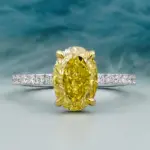
Choosing an engagement ring can feel exciting and confusing at the same time. There are so many diamond shapes, colors, metals, and settings that it is easy to focus on appearance and forget about the details that affect price and everyday wear. A yellow diamond adds another decision because its color can range from a light yellow shade to a much stronger fancy yellow.
The good news is that you do not need to know everything about diamonds before you start shopping. If you understand your budget, compare color and cut carefully, and choose a setting that fits your lifestyle, you can make a confident choice without overspending.
Start With a Budget That Feels Comfortable
Before looking at rings, decide how much you are genuinely comfortable spending. There is no fixed amount that you need to spend on an engagement ring. Your budget should leave room for other important expenses rather than creating financial pressure.
A yellow diamond can fit different budgets because the price depends on several factors, including whether it is natural or lab grown, its carat weight, color strength, clarity, cut, and the ring setting.
It is also worth keeping part of your budget for the setting and metal. A beautiful center stone may not look right if the ring style does not suit it, so think about the complete ring rather than spending your entire budget on the diamond alone.
Understand What Makes the Yellow Color Special
Yellow diamonds are valued partly for the strength and quality of their color. Some have a soft yellow appearance, while others have a deeper and more noticeable yellow tone.
For fancy-color diamonds, color is especially important. A stronger yellow can make the diamond stand out, but that does not automatically mean it is the right choice for you. Look at several stones side by side and notice how the color changes under different lighting.
If you prefer a softer look, a lighter yellow stone may be a better match. If you want the center stone to be the main focus of the ring, a stronger yellow may be worth considering.
Choose the Diamond Shape Before the Setting
The shape of the diamond has a major effect on the overall appearance of the ring. Round, oval, cushion, radiant, pear, emerald, and marquise shapes can all create very different looks.
Round diamonds are a familiar choice and work with many settings. Oval shapes can give the finger a longer appearance, while cushion cuts can offer a softer outline. Radiant cuts are a useful option for someone who wants strong light return with a less traditional shape.
Do not choose a shape simply because it is popular. Think about the type of jewelry the wearer normally chooses. If their collection contains simple pieces, a clean setting may feel more natural. If they enjoy unusual jewelry, a distinctive shape could be a better fit.
Compare Cut, Clarity, and Carat Carefully
Carat is only one part of the buying decision. A larger diamond is not always the better choice if the cut or color does not work well.
Pay close attention to how the diamond looks rather than relying only on its measurements. A well-cut stone can appear lively and balanced, while a poorly cut stone may not look as attractive even when it has a higher carat weight.
Clarity should also be considered with your eyes and your budget in mind. Some inclusions are difficult to see without magnification and may not affect the way the diamond looks when worn. Paying for a very high clarity grade may not be necessary if a slightly lower grade looks clean to the naked eye.
Pick a Setting That Protects the Stone
The setting is more than a design choice. It holds the diamond in place and affects how well it is protected during daily activities.
A prong setting allows more of the center stone to be seen, while a bezel setting surrounds the diamond with metal and provides additional protection around its edges. Halo settings place smaller diamonds around the center and can make the main stone appear larger.
If the ring will be worn every day, think about work, exercise, household tasks, and other activities. A setting with secure prongs and a strong structure may be a better choice than a design with delicate details that can catch on clothing.
Match the Metal to the Yellow Diamond
The metal can change how the yellow diamond looks. Yellow gold can create a warm, coordinated appearance because its color works naturally with the center stone.
White metals such as platinum or white gold can create stronger contrast between the yellow diamond and the ring. This can make the center stone stand out more clearly.
Rose gold is another option if you prefer a warmer color combination. There is no single correct metal, so compare the diamond with different metals before making a final decision.
Consider Lab-Grown Yellow Diamonds
A lab-grown yellow diamond can be worth considering if you want to manage your budget while choosing a larger or stronger-colored center stone. Lab-grown diamonds have essentially the same chemical and physical properties as natural diamonds, although their origin and market pricing are different.
Certification is important when comparing stones. Check the grading report for information about the diamond\’s characteristics and whether the report comes from a respected gemological laboratory.
When shopping online, also review the return policy, warranty, shipping details, and available product photographs. These details can make the buying process much less stressful.
Check Out a Yellow Diamond Engagement Ring Before You Decide
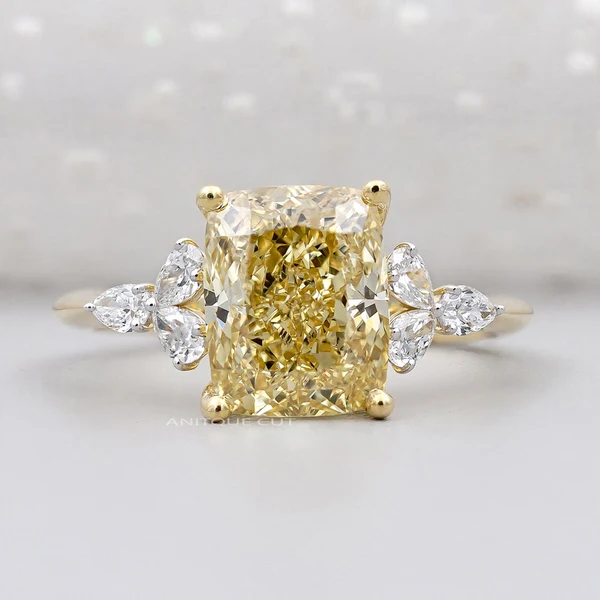
Check Out a Yellow Diamond Engagement Ring collection only after you have compared the diamond shape, color, setting, metal, certification, and total price. Taking a little extra time can help you avoid choosing a ring simply because the first one caught your attention. At Antiquecut, comparing different designs can also help you understand which combination fits your budget and personal taste.
Think About Everyday Wear
An engagement ring should work with real life, not just look good in a photograph. Consider how often the ring will be worn and whether the wearer prefers low-maintenance jewelry.
If the person regularly uses their hands for work or hobbies, choose a secure setting that does not have many exposed edges. If they rarely wear rings, comfort and simplicity may be more important than intricate details.
Also consider ring size carefully. A well-fitting ring should feel secure without being uncomfortable. If you are buying the ring as a surprise, discreetly checking the size of an existing ring can help.
Ask These Questions Before Buying
Before placing an order, ask the seller for the diamond\’s certification details, exact carat weight, color information, clarity grade, metal type, and setting details.
For an online purchase, check whether the photos represent the actual ring or are computer-generated images. Look for clear information about returns, resizing, repairs, and warranties.
Finally, ask whether the final price includes everything you expect. Understanding the total cost before checkout prevents unpleasant surprises later.
Final Thoughts
Buying a yellow diamond engagement ring does not have to be overwhelming. Start with a realistic budget, decide which diamond shape suits the wearer, compare the strength of the yellow color, and choose a setting that provides the right balance of appearance and protection.
Most importantly, do not feel pressured to choose the biggest or most expensive diamond. The right ring is the one that fits your budget, feels comfortable to wear, and reminds you of the person you are giving it to. Taking time to compare your options can turn the buying process into a much more enjoyable experience.
?? External Website: https://www.antiquecut.com/
Choose an option to continue reading:
No payment options are currently available for this content.

 No Comments