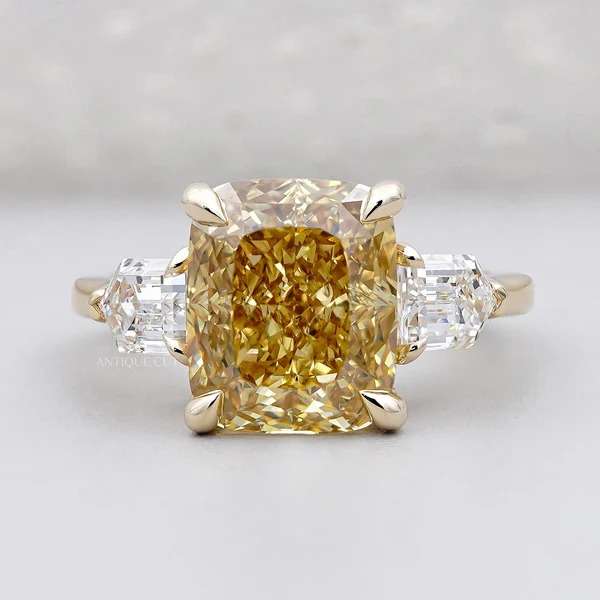

Choosing an engagement ring can feel exciting at first, but the number of choices can quickly become confusing. Yellow diamonds are especially different because their color plays a major role in how the stone looks and how much it may cost.
Instead of focusing only on carat weight, shoppers should look at the diamond as a whole. The strength of the yellow color, cut quality, clarity, shape, setting, and metal can all change the final appearance. Knowing what matters before shopping can help you spend your budget where it makes the biggest difference.
Start With the Yellow Color You Like
The first thing to decide is how much yellow you actually want to see. Yellow diamonds can range from a light yellow tone to a much stronger and deeper color.
Some buyers prefer a softer yellow appearance, while others want a rich color that immediately stands out. There is no single shade that is right for everyone.
When comparing stones, look at them under similar lighting. A diamond can look different in a jewelry store, under bright photography lights, or in natural daylight. If you are shopping online, check several photos and videos rather than judging the stone from one picture.
Pay Attention to the Diamond Cut
Cut affects how well a diamond handles light and how attractive the stone looks when viewed from different angles. This is important even when color is the main reason you chose the diamond.
Round, oval, cushion, radiant, pear, and emerald shapes can each give a yellow diamond a different look. Fancy shapes can also make the center stone appear larger for its carat weight.
Do not assume that choosing a larger diamond automatically means getting a better ring. A well-cut stone with a good face-up appearance can be a better choice than a heavier diamond with weaker proportions.
Understand Clarity Before Spending More
Clarity describes the internal and surface characteristics found in a diamond. For a yellow diamond engagement ring, you do not always need to pay for the highest clarity grade.
The important question is whether the stone looks clean to your eyes at a normal viewing distance. Some inclusions may be difficult to notice without magnification.
Instead of paying a large premium for a very high clarity grade, compare stones visually. You may find that a slightly lower clarity grade gives you more room in your budget for a larger stone or a better setting.
Compare Natural and Lab-Grown Options
Another important decision is whether you want a natural diamond or a lab-grown diamond. Both can be made from carbon and have the same basic crystal structure, but they differ in origin and pricing.
Lab-grown diamonds can give shoppers more size or color options within a set budget. Natural yellow diamonds, particularly stones with desirable natural color, can have different pricing and rarity factors.
Take time to understand what you are buying and ask for clear information about the diamond’s origin. A reliable grading report can also make comparison easier.
Choose a Setting That Supports the Stone
The setting is not just a decorative part of the ring. It protects the diamond and affects how the center stone appears.
Prong settings are popular because they allow much of the diamond to remain visible. Halo settings can add surrounding stones and make the center appear larger. Bezel settings offer more coverage around the diamond and can be useful for people who prefer additional protection.
Think about your daily routine as well. A setting with fewer exposed edges may be more practical if you work with your hands frequently.
Pick a Metal That Works With the Yellow Color
The ring metal can change how the yellow diamond looks.
Yellow gold can create a warm, coordinated appearance because the metal and center stone share similar tones. White gold or platinum can create stronger contrast around the yellow diamond. Rose gold can add another warm tone to the overall design.
There is no universal best choice. Place the diamond next to different metals and compare the effect before making your decision.
Set Your Budget Before You Shop
A clear budget can save you from making an emotional purchase that you later regret. Decide how much you are comfortable spending before comparing rings.
Then divide your budget between the center diamond, setting, side stones, taxes, and any additional services. Remember to check whether the listed price includes the complete ring or only the center stone.
Buy a Yellow Diamond Engagement Ring after comparing the stone, certification, setting, metal, return policy, and total price rather than choosing based on appearance alone. This simple step can help you feel much more confident about your purchase.
Check the Diamond Grading Report
A grading report gives you useful information about the diamond’s characteristics. Depending on the stone, the report may include details about color, clarity, cut, measurements, carat weight, and other identifying information.
Before purchasing, make sure the report belongs to the exact diamond you are considering. If you are buying online, ask the seller whether the report can be viewed before placing the order.
At Antiquecut, shoppers can also compare available diamond details and ring designs before deciding which option fits their preferences.
Look Beyond the Price Tag
A low price does not automatically mean a good deal. Likewise, a higher price does not guarantee that a particular diamond is the right choice.
Compare several stones with similar characteristics. Look at their color, dimensions, cut, clarity, certification, and overall appearance. Two diamonds with the same carat weight can look noticeably different because their proportions and shape are not identical.
This comparison process takes a little extra time, but it can prevent disappointment later.
Check the Return and Warranty Policies
An engagement ring is a significant purchase, especially when shopping online. Before paying, read the seller’s return, exchange, resizing, and warranty policies.
Also check whether the ring can be resized and whether future repairs or maintenance are covered. If the diamond is certified, confirm how the seller handles documentation if the ring is returned or exchanged.
These details may not seem exciting while shopping, but they matter if something does not go as expected.
A Simple Way to Make Your Final Choice
When you have narrowed your options down to two or three rings, compare them side by side.
Ask yourself:
- Do I like the yellow color in different lighting?
- Does the diamond look clean to my eyes?
- Is the cut suitable for the shape?
- Does the setting protect the stone?
- Does the metal match the look I want?
- Is the diamond certified when appropriate?
- Does the total price fit my budget?
- Does the seller offer a clear return or warranty policy?
If one ring meets your practical needs while also giving you that feeling you were hoping for when you started shopping, you are probably getting close to the right choice.
Final Thoughts
Buying a yellow diamond engagement ring does not have to be overwhelming. The smartest approach is to slow down and compare the things that actually affect your purchase: color, cut, clarity, carat weight, setting, metal, certification, and total cost.
You do not need the biggest diamond or the highest grade to find a ring you love. Focus on the features that matter most to you, ask questions when something is unclear, and take time to compare your options. A little research before buying can make the final decision feel much easier and more satisfying.