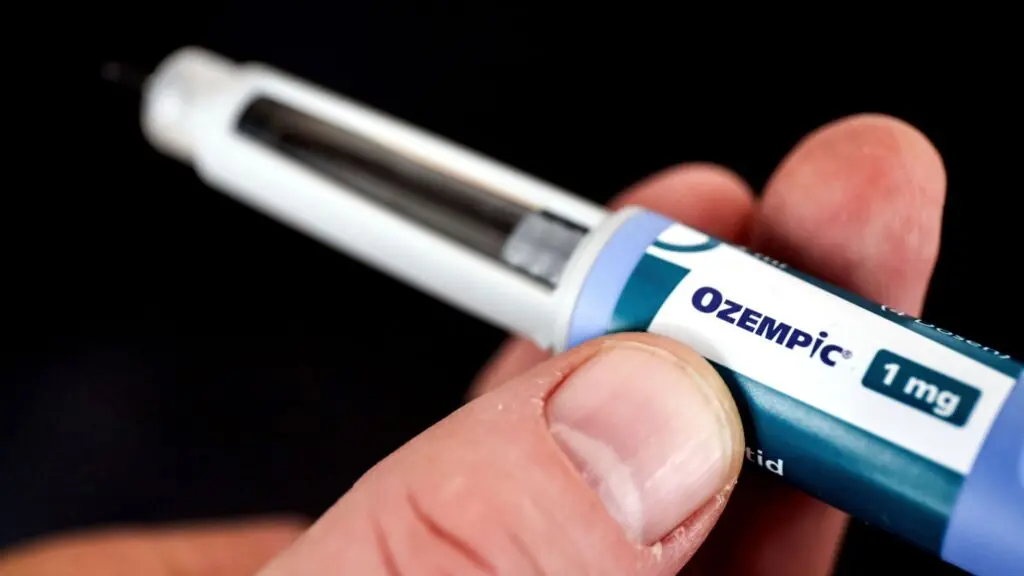

Choosing Ozempic injection in Islamabad for weight management requires more than simply selecting a medication. It involves understanding your health condition, treatment goals, medical history, and potential risks. Ozempic (semaglutide) is a prescription medication primarily used to improve blood sugar control in adults with type 2 diabetes. It may also support weight reduction, but its suitability depends on individual medical circumstances and approved prescribing guidelines.
Clinic expertise plays an important role in ensuring that patients receive appropriate medical advice, safe treatment planning, and ongoing support. An experienced healthcare professional can evaluate whether the medication is suitable, explain possible side effects, and help patients understand realistic expectations. For individuals exploring Ozempic injections in Islamabad, choosing a qualified medical provider is an important step towards making an informed healthcare decision.
Understanding the Importance of Clinic Expertise
Not every patient has the same medical requirements. Factors such as age, medical history, existing medications, blood sugar levels, and weight-related concerns can influence treatment decisions.
An experienced clinic understands that medication-based weight management requires individual assessment rather than a standard approach.
Professional clinic expertise matters because it helps patients with:
-
Medical suitability: Determining whether Ozempic is appropriate for their health condition.
-
Treatment planning: Developing an approach based on individual medical needs.
-
Dosage guidance: Explaining prescribed doses and appropriate dose adjustments.
-
Side-effect management: Recognising and addressing possible adverse reactions.
-
Ongoing monitoring: Reviewing treatment progress and overall health.
These considerations help patients approach medication-based treatment with better awareness and medical supervision.
Medical Assessment Before Starting Ozempic
A proper medical assessment is one of the most important stages before considering Ozempic injections. A qualified healthcare professional should review the patient’s medical background and determine whether the medication is appropriate.
During the initial consultation, the provider may evaluate:
-
Current weight and body mass index (BMI).
-
Blood glucose levels and diabetes history.
-
Existing medical conditions.
-
Current prescription medications and supplements.
-
Previous weight-management attempts.
-
Personal and family medical history.
Certain medical conditions require particular attention. For example, patients should inform their healthcare provider about a history of pancreatitis, gallbladder disease, diabetic retinopathy, or kidney problems.
Ozempic also carries an important warning regarding thyroid C-cell tumours. It should not be used by people with a personal or family history of medullary thyroid carcinoma or Multiple Endocrine Neoplasia syndrome type 2 (MEN2).
A detailed assessment helps healthcare professionals identify potential risks before treatment begins.
Why Professional Dosage Guidance Matters
Dosage management is another reason clinic expertise is important. Ozempic is administered as a once-weekly injection, and treatment generally begins with a low prescribed dose before any appropriate adjustment.
However, patients should never increase, decrease, or change their medication schedule independently.
An experienced healthcare professional can explain:
-
How the prescribed injection schedule works.
-
Why gradual dose adjustments may be recommended.
-
What to do if a dose is missed.
-
How to follow the medication instructions.
-
Which symptoms should be reported immediately.
Correct dosage guidance helps reduce avoidable medication errors and supports appropriate treatment management.
Managing Potential Side Effects Safely
Like other prescription medications, Ozempic can cause side effects. The most commonly reported include nausea, vomiting, diarrhoea, constipation, and abdominal discomfort.
Although some symptoms may improve as the body adjusts, others require medical attention.
An experienced medical team can help patients understand the difference between common reactions and warning signs that need prompt evaluation.
Important symptoms to discuss with a healthcare provider include:
-
Severe or persistent abdominal pain.
-
Repeated vomiting or signs of dehydration.
-
Changes in vision.
-
Symptoms of an allergic reaction.
-
Signs of gallbladder problems.
Patients should seek urgent medical attention if they experience severe symptoms, particularly persistent abdominal pain that may indicate pancreatitis.
Professional supervision provides an opportunity to address concerns early instead of relying on self-medication or unverified online advice.
The Role of Continuous Monitoring and Follow-Up
Starting Ozempic is not the end of the treatment process. Regular follow-up appointments help healthcare professionals evaluate how the patient responds to medication.
Monitoring may involve reviewing:
-
Changes in body weight.
-
Blood glucose levels, where relevant.
-
Digestive symptoms and medication tolerance.
-
Hydration and nutritional habits.
-
Other health changes during treatment.
Follow-up appointments also allow patients to discuss concerns and receive updated medical guidance.
For individuals using Ozempic for type 2 diabetes, monitoring blood glucose is particularly important. Patients taking insulin or sulfonylureas may require additional monitoring because of the increased risk of hypoglycaemia.
How to Choose a Clinic for Ozempic Injections
Selecting a suitable clinic requires careful consideration. Patients should look beyond promotional offers and focus on medical qualifications, treatment transparency, and patient safety.
Consider these factors when evaluating a clinic:
-
Qualified medical professionals: Check the credentials and relevant experience of the prescribing healthcare provider.
-
Individual consultations: Choose a clinic that reviews medical history before recommending medication.
-
Transparent communication: The provider should explain benefits, limitations, possible side effects, and alternatives.
-
Proper follow-up: Ask whether ongoing monitoring and medical support are available.
-
Medication safety: Ensure that medication is obtained through legitimate pharmaceutical channels and stored according to manufacturer instructions.
A reliable clinic should never promise guaranteed weight loss or recommend prescription medication without assessing the patient’s health.
Exploring Ozempic Treatment at SKN Cosmetics in Islamabad
For individuals exploring weight-management options, choosing a clinic that prioritises professional consultation and patient education is an important consideration. SKN Cosmetics in Islamabad is a clinic patients may consider when exploring available aesthetic and weight-management services.
Before proceeding with Ozempic injections, patients should confirm that the service includes assessment by an appropriately qualified and authorised medical prescriber. A responsible treatment approach should involve reviewing medical history, discussing eligibility, explaining potential risks, and providing appropriate follow-up care.
Patients should also feel comfortable asking questions about medication sourcing, treatment expectations, dosage instructions, and possible alternatives. Making an informed decision is more important than starting treatment quickly.
Combining Medical Guidance with Healthy Lifestyle Habits
Ozempic should not be viewed as a replacement for healthy lifestyle practices. For suitable patients, medication may form part of a broader healthcare plan that includes balanced nutrition and regular physical activity.
Helpful lifestyle habits include:
-
Eating balanced meals with adequate protein and fibre.
-
Drinking sufficient water throughout the day.
-
Incorporating regular physical activity.
-
Maintaining consistent sleep patterns.
-
Following medical and nutritional recommendations.
These habits can support overall health and help patients develop sustainable weight-management routines.
Conclusion
Clinic expertise matters when considering Ozempic injections because safe treatment begins with proper medical assessment, appropriate prescribing, and continuous monitoring. From evaluating medical suitability to managing side effects and providing dosage guidance, qualified healthcare professionals play an essential role throughout the treatment process.
Patients considering Ozempic should prioritise medical qualifications, transparent communication, and individualised care rather than focusing only on expected weight-loss results. Choosing an experienced and responsible healthcare provider can help make the treatment decision more informed, realistic, and safety-focused.
Frequently Asked Questions (FAQs)
Q1. Why is clinic expertise important for Ozempic injections?
Clinic expertise helps ensure proper medical assessment, appropriate prescribing, dosage guidance, and side-effect monitoring.
Q2. Does everyone qualify for Ozempic injections?
No. Eligibility depends on medical history, health conditions, and approved prescribing guidelines.
Q3. What are the common side effects of Ozempic?
Common side effects include nausea, vomiting, diarrhoea, constipation, and abdominal discomfort.
Q4. How often are Ozempic injections administered?
Ozempic is generally administered once weekly according to the prescribed treatment schedule.
Q5. Should Ozempic be used without medical supervision?
No. Ozempic is a prescription medication that requires assessment and appropriate medical supervision.