

Introduction
Losing weight is a goal many people share, but achieving and maintaining a healthy weight isn\’t always easy. Factors such as genetics, hormones, medical conditions, stress, and lifestyle habits can all make weight loss more challenging. While eating a balanced diet and staying physically active remain the foundation of weight management, some individuals may benefit from additional medical support.
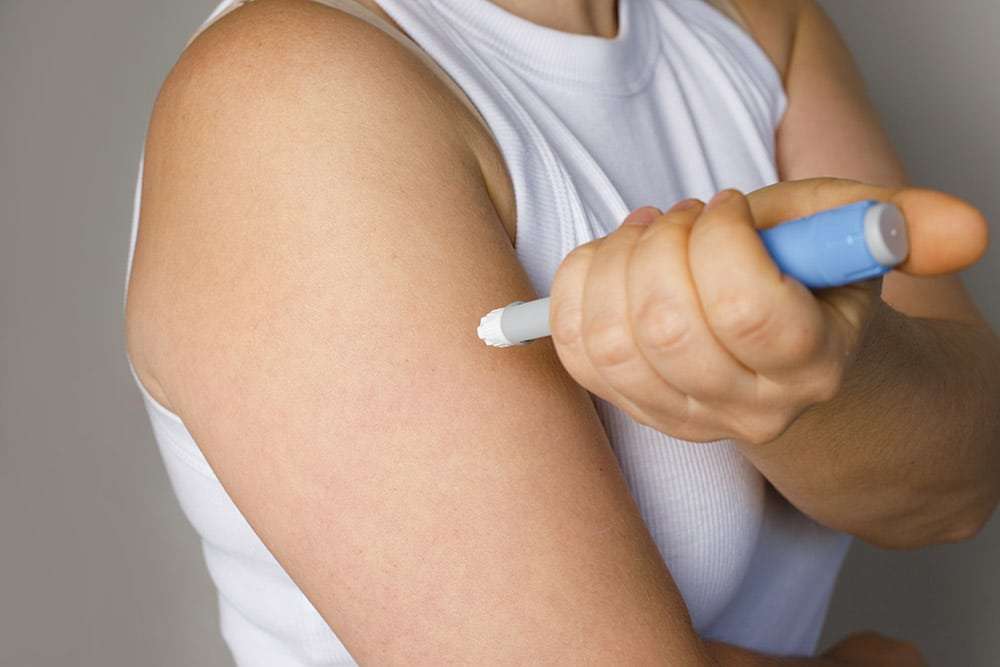
In recent years, weight loss injections have become an increasingly popular option for adults who qualify for medical weight management. These prescription treatments are designed to help reduce appetite, improve feelings of fullness, and support healthy weight loss when combined with long-term lifestyle changes.
What Are Weight Loss Injections?
Weight loss injections are prescription medications used as part of a medically supervised weight management program. They are not intended to replace healthy eating or regular exercise. Instead, they work alongside lifestyle changes to help eligible individuals achieve sustainable weight loss.
These medications influence hormones involved in appetite regulation and digestion. By helping you feel full sooner and reducing hunger between meals, they can make it easier to maintain a calorie-controlled eating plan.
A healthcare provider will determine whether weight loss injections are appropriate based on your medical history, body weight, and overall health.
How Do Weight Loss Injections Work?
Your body naturally produces hormones that communicate with the brain to regulate hunger and fullness. Certain weight loss medications are designed to mimic these hormones, helping you feel satisfied after eating smaller portions and reducing the urge to snack.
Depending on the prescribed medication, weight loss injections may:
- Reduce appetite
- Slow stomach emptying
- Increase feelings of fullness
- Help control food cravings
- Support healthier blood sugar regulation
These effects make it easier for many people to follow a healthier eating plan without feeling constantly hungry.
Who May Be a Good Candidate?
Weight loss injections are not suitable for everyone. They are typically recommended for adults who have struggled to lose weight through diet and exercise alone and who meet specific medical criteria.
You may be considered a candidate if you:
- Have obesity based on your Body Mass Index (BMI)
- Are overweight and have weight-related health conditions
- Have been unable to achieve lasting weight loss through lifestyle changes alone
- Are committed to improving your eating habits and physical activity
- Can attend regular follow-up appointments with your healthcare provider
A complete medical evaluation is essential before beginning treatment.
What Happens Before Treatment Begins?
Before prescribing weight loss injections, your healthcare provider will perform a thorough assessment of your overall health.
During your initial consultation, you may discuss:
- Your medical history
- Previous weight loss attempts
- Current medications
- Family medical history
- Eating habits
- Physical activity
- Sleep patterns
- Personal weight loss goals
Your provider may also measure your weight, blood pressure, and other health indicators to establish a baseline for monitoring progress.
Benefits of Weight Loss Injections
When used as part of a comprehensive weight management program, weight loss injections can provide several important benefits.
Improved Appetite Control
Many patients notice that they feel full sooner and experience fewer food cravings throughout the day.
Gradual, Sustainable Weight Loss
Rather than promoting rapid weight loss, these medications are intended to support steady progress over time.
Better Overall Health
Losing excess weight may contribute to improvements in several health conditions, including:
- High blood pressure
- Type 2 diabetes
- Elevated cholesterol
- Sleep apnea
- Joint discomfort
Even modest weight loss can have a meaningful impact on overall health.
Increased Confidence
As patients begin reaching their health goals, many report improved energy levels, greater mobility, and increased confidence in daily life.
Possible Side Effects
Like any prescription medication, weight loss injections may cause side effects.
Common side effects may include:
- Nausea
- Vomiting
- Constipation
- Diarrhea
- Stomach discomfort
- Fatigue
These symptoms are often temporary and may improve as your body adjusts to treatment.
Your healthcare provider will explain potential risks, monitor your progress, and help manage any side effects that occur.
Lifestyle Changes Still Matter
Weight loss injections work best when combined with healthy lifestyle habits.
Healthy Eating
A balanced eating plan should include:
- Lean proteins
- Fresh fruits
- Vegetables
- Whole grains
- Healthy fats
Reducing highly processed foods and sugary beverages can improve long-term success.
Regular Physical Activity
Exercise supports weight loss while improving cardiovascular health, strength, and overall well-being.
Choose activities you enjoy, such as:
- Walking
- Cycling
- Swimming
- Strength training
- Yoga
Consistency is more important than intensity.
Quality Sleep
Poor sleep can affect hormones that regulate hunger and appetite.
Most adults benefit from seven to nine hours of sleep each night.
Stress Management
Stress may contribute to emotional eating and unhealthy food choices.
Healthy coping strategies include:
- Meditation
- Deep breathing
- Journaling
- Spending time outdoors
- Talking with supportive friends or family
What to Expect During Treatment
Weight loss is a gradual process, and your healthcare provider will monitor your progress through regular follow-up appointments.
During these visits, your provider may:
- Measure your weight
- Review your eating habits
- Discuss your physical activity
- Monitor your overall health
- Adjust your treatment plan if necessary
- Address any side effects or concerns
Ongoing support helps improve long-term success.
Setting Realistic Expectations
One of the most important parts of any weight management program is understanding that lasting results take time.
Rather than focusing only on the number on the scale, your progress may also include:
- Improved blood pressure
- Better blood sugar control
- Increased energy
- Improved mobility
- Better sleep
- Reduced joint pain
- Greater self-confidence
Small, consistent improvements often lead to the most sustainable outcomes.
Frequently Asked Questions
Are weight loss injections safe?
When prescribed by a qualified healthcare provider and used as directed, weight loss injections are generally considered safe for eligible patients. Your provider will determine whether they are appropriate for your individual health needs.
How quickly will I see results?
Results vary from person to person. Some individuals notice changes within a few weeks, while meaningful weight loss typically occurs over several months with consistent treatment and healthy lifestyle changes.
Do I still need to exercise?
Yes. Physical activity remains an important part of long-term weight management and overall health. Your provider can recommend an exercise plan that fits your abilities and goals.
Will I need regular follow-up appointments?
Yes. Follow-up visits allow your provider to monitor your progress, manage side effects, and adjust your treatment plan when necessary.
Tips for Success
To get the most from your treatment:
- Follow your provider\’s instructions carefully.
- Eat balanced meals consistently.
- Stay physically active.
- Drink enough water each day.
- Get adequate sleep.
- Keep your follow-up appointments.
- Be patient with your progress.
- Focus on long-term lifestyle changes rather than quick results.
Healthy habits combined with medical guidance offer the best opportunity for lasting success.
Conclusion
Weight loss injections have become an important option for adults who need additional support beyond diet and exercise alone. By helping regulate appetite and encouraging healthier eating habits, these treatments can make weight management more achievable for eligible individuals.