
The Ultimate Guide to Staying Connected During International Trips
International travel offers opportunities to discover new destinations, experience different cultures, and create unforgettable memories. However, staying connected while visiting another country can sometimes be challenging. Expensive roaming charges, unfamiliar mobile networks, and unreliable public Wi-Fi can make it difficult to access the internet when you need it most.
Whether you are exploring Paris, enjoying the beaches of Bali, visiting Spain, or traveling across Europe, having reliable mobile internet can make your journey considerably easier.
From checking directions and booking transportation to contacting family and managing travel reservations, smartphones have become essential travel companions. Fortunately, modern connectivity solutions have made it easier to access mobile internet without depending entirely on expensive international roaming services.
This guide explores the most practical ways to stay connected during international trips and explains how travelers can choose a connectivity option that suits their destinations, budgets, and travel requirements.
Why Reliable Internet Matters When Traveling Abroad
A dependable internet connection is more than a convenience during international travel. It helps travelers manage everyday activities, access important information, and communicate with others.
Here are some important reasons to arrange connectivity before departure.
Navigation and Transportation
Finding your way around an unfamiliar city can be difficult without reliable navigation. Mobile internet allows travelers to access maps, locate restaurants, discover tourist attractions, and check public transportation information.
It can also help when arranging taxis or other transportation services.
Communication With Family and Friends
Traveling internationally often means spending time away from loved ones. Messaging applications, emails, and video calls make it easier to stay in touch regardless of geographical distance.
Reliable internet also allows travelers to share their location and provide updates about their journeys.
Managing Travel Reservations
Flight confirmations, hotel bookings, digital boarding passes, and transportation tickets are increasingly managed online.
Having mobile internet means travelers can access important documents whenever necessary instead of searching for a Wi-Fi connection.
Safety and Emergency Information
Connectivity can become particularly important during unexpected situations. Travelers may need to contact emergency services, check local travel advisories, or communicate with trusted people.
Having internet access makes these tasks easier.
Four Popular Ways to Access the Internet Internationally
Travelers have several options for accessing mobile internet abroad. Understanding how each solution works can help you avoid unnecessary expenses.
1. International Roaming
International roaming allows you to use your existing mobile number and network services while visiting another country.
Its main advantage is convenience because you usually do not need to replace your SIM card or configure a different number.
However, roaming charges can become expensive if your existing mobile package does not include international data.
Before traveling, check your provider’s international roaming rates, available packages, data limits, and supported destinations.
2. Local Physical SIM Cards
Purchasing a local SIM card is another traditional way to access mobile internet abroad.
Travelers can usually find SIM cards at airports, mobile network stores, and authorized retailers after arriving at their destination.
Local SIM cards may offer competitive data packages, particularly for people planning extended stays in one country.
However, purchasing a physical SIM requires additional time. You may need to visit a store, provide identification, complete registration requirements, and remove your existing SIM card.
3. Travel eSIMs
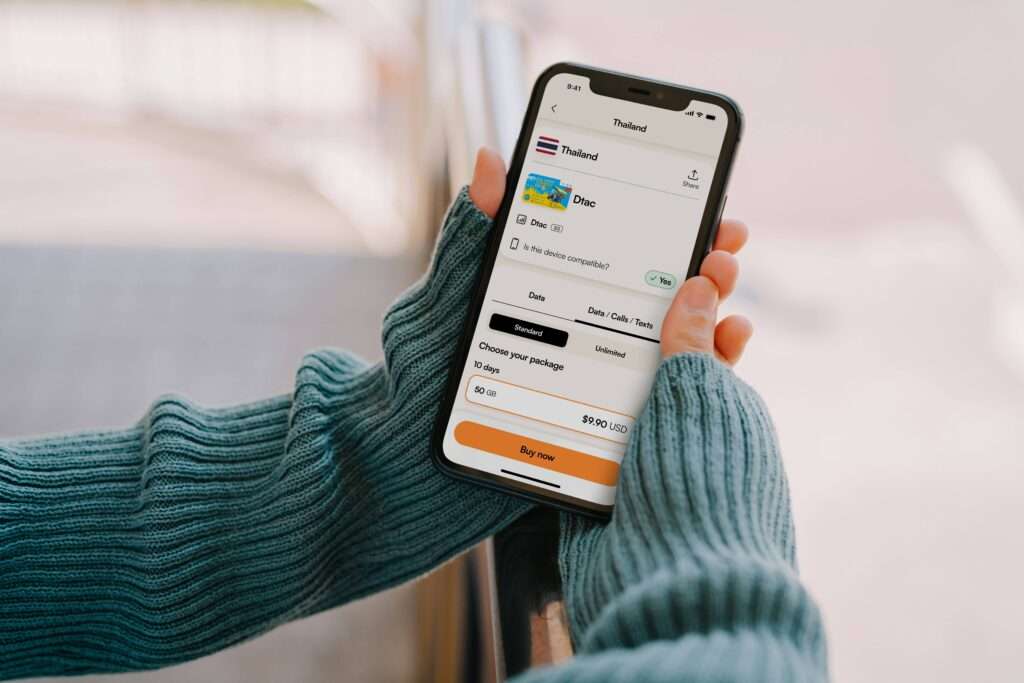
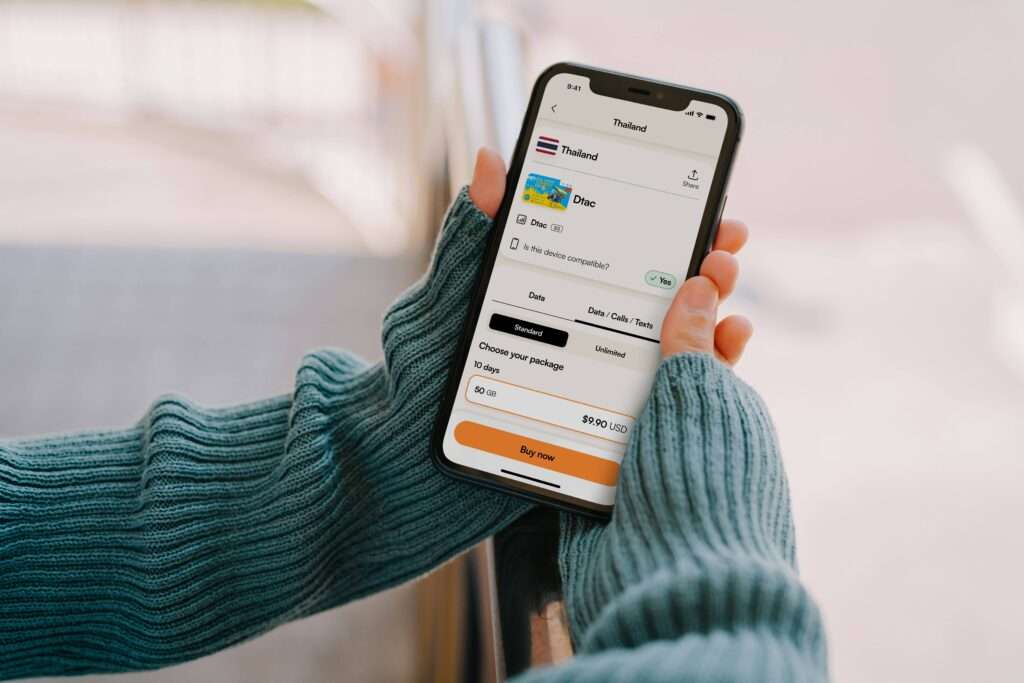
A travel eSIM is a digital SIM profile installed on compatible smartphones without inserting a traditional physical SIM card.
Travelers can purchase an international data package online and install the eSIM before leaving home. Depending on the package, connectivity becomes available when the device connects to a supported network.
Some important advantages include:
-
Convenient online purchasing.
-
Digital installation.
-
No need to replace a physical SIM card.
-
Different packages for individual countries and regions.
-
Easier preparation before departure.
-
The ability to keep an existing physical SIM installed on compatible devices.
Travel eSIMs can be particularly useful for people visiting multiple countries during one journey.
Travelers researching digital connectivity solutions can explore MySIMGuide for more information about international eSIM options.
4. Public Wi-Fi
Public Wi-Fi is available in many hotels, airports, restaurants, cafes, and shopping centers.
It can help travelers save mobile data, access travel documents, check emails, and communicate online.
However, public Wi-Fi is not always reliable. Some networks offer limited speeds or may be unavailable when needed.
For better security, use trusted networks, keep your smartphone updated, and enable multi-factor authentication.
Public Wi-Fi is best treated as a backup rather than your primary source of internet access.
Choosing the Right eSIM for Different Travel Destinations
Different countries have different connectivity requirements. Travelers should consider their destinations, expected data consumption, and network coverage before selecting an eSIM package.
Staying Connected in Paris
Paris attracts visitors from around the world. Whether exploring the Eiffel Tower, visiting museums, or discovering local restaurants, travelers frequently depend on mobile internet.
An eSIM Paris package can help visitors arrange mobile data before arriving in France.
Before purchasing, check the available network coverage, data allowance, validity period, and whether the package supports 4G or 5G connectivity.
Travelers planning to visit other French cities should also confirm that their selected package covers those destinations.
Exploring Spain With Mobile Connectivity
Spain offers a wide variety of travel experiences, from Barcelona’s architecture and Madrid’s cultural attractions to Valencia’s coastline and the beaches of the Balearic Islands.
An eSIM Spain package can provide a convenient alternative to purchasing a local physical SIM card.
When selecting a package, consider its network partners, data limits, package duration, and coverage across your planned destinations.
This is particularly important for travelers visiting smaller towns and islands.
Traveling Across Multiple European Countries
Multi-country travel can make mobile connectivity more complicated.
A traveler might visit France, Spain, Germany, Italy, and the Netherlands during one holiday. Purchasing a separate SIM card in every country can become inconvenient.
An eSIM Europe regional package may provide a simpler solution by offering mobile data across multiple supported destinations.
However, not every regional package covers every European country. Always review the included destinations, data allowance, validity period, and roaming conditions before purchasing.
For additional information about international connectivity options, travelers can also explore HelloRoam.
Enjoying Bali With Convenient Mobile Internet
Bali is a popular destination for tourists, digital nomads, and adventure seekers.
Whether exploring Ubud, relaxing near the coastline, or visiting local attractions, mobile internet can make everyday travel activities easier.
An eSIM Bali package can help travelers arrange connectivity before arriving in Indonesia.
However, coverage can vary between busy tourist areas and more remote locations. Review the available network coverage carefully if your itinerary includes destinations outside the main tourist areas.
eSIM vs Physical SIM: Understanding the Differences
One of the most common questions among international travelers is whether an eSIM or traditional physical SIM card is the better choice.
Both provide mobile connectivity, but they offer different levels of convenience.
An eSIM is installed digitally on a compatible smartphone, while a physical SIM is a removable card inserted into the device.
When Is an eSIM a Good Choice?
A travel eSIM may be suitable if you:
-
Want to purchase mobile data before departure.
-
Frequently travel between different countries.
-
Prefer managing mobile plans digitally.
-
Want to keep your regular physical SIM installed.
-
Prefer avoiding visits to local SIM retailers.
When Is a Physical SIM More Suitable?
A physical SIM may be preferable if you:
-
Own a smartphone without eSIM support.
-
Need a local phone number for calls and SMS.
-
Are staying in one country for an extended period.
-
Find a more affordable package from a local network operator.
-
Prefer purchasing mobile services in person.
Ultimately, the right option depends on your smartphone compatibility, destination, budget, and internet requirements.
How to Prepare Your Travel eSIM Before Departure
Preparing your eSIM before leaving home can help prevent connectivity problems after arriving at your destination.
Follow these steps:
Step 1: Check device compatibility.
Make sure your smartphone supports eSIM functionality and is not carrier-locked in a way that prevents using another provider.
Step 2: Select your destination package.
Choose a package based on your travel destinations, expected data usage, and trip duration.
Step 3: Purchase your eSIM.
Buy your preferred package through the provider’s official website or application. Carefully review the installation instructions and activation conditions.
Step 4: Install the digital SIM.
Follow the provider’s instructions, which may involve scanning a QR code or installing the profile through an application.
A stable Wi-Fi connection is generally recommended during installation.
Step 5: Configure your mobile settings.
Select your travel eSIM for mobile data and follow the provider’s instructions regarding data roaming.
Step 6: Activate your package.
Some eSIM plans begin their validity when installed, while others start when they connect to a supported network. Check the activation policy before traveling.
Practical Ways to Reduce Mobile Data Consumption
Even with an affordable travel eSIM, managing your internet usage can help prevent unnecessary expenses.
Consider these practical habits:
-
Download offline maps before leaving your hotel.
-
Disable automatic application updates over mobile data.
-
Download music and videos before traveling.
-
Use trusted Wi-Fi networks for large downloads.
-
Restrict unnecessary background application activity.
-
Monitor your daily data consumption.
-
Avoid unnecessary video streaming when using limited data packages.
These small steps can help travelers make their mobile data last longer.
Common Connectivity Mistakes Travelers Should Avoid
Choosing the wrong connectivity package can create unnecessary problems during international trips.
Here are some mistakes worth avoiding.
Ignoring device compatibility: Not every smartphone supports eSIM technology. Check your exact device model before purchasing.
Overlooking network coverage: A package may support a country without offering equally strong coverage in every location.
Forgetting validity conditions: Always check when your package becomes active and how long it remains valid.
Assuming every plan includes calls: Many travel eSIM packages provide mobile data only, without a traditional phone number or SMS services.
Deleting the eSIM profile unnecessarily: Some profiles cannot be reinstalled after deletion. Follow the provider’s instructions before removing an installed profile.
Assuming unlimited data means unrestricted usage: Certain packages include fair-use policies or speed restrictions.
Reviewing these details before departure can help prevent many common connectivity issues.
Final Thoughts
Staying connected during international trips should be part of every travel preparation checklist.
Whether you are visiting Paris, exploring Spain, traveling across Europe, or enjoying a holiday in Bali, reliable mobile internet can make your experience easier and more convenient.
International roaming, local SIM cards, public Wi-Fi, and travel eSIMs all have their advantages. However, travel eSIMs offer an attractive option for people who prefer arranging connectivity before departure.
Before your next journey, compare available packages, check your smartphone compatibility, and choose a connectivity solution that matches your itinerary.
A little preparation can make a significant difference, allowing you to spend less time worrying about internet access and more time enjoying your destination.
FAQs
1. What is the easiest way to stay connected during international travel?
A travel eSIM is a convenient option for compatible smartphones because it allows travelers to purchase mobile data before departure and connect through supported networks abroad.
2. Can I use my regular SIM and an eSIM together?
Yes. Many modern smartphones support dual-SIM functionality, allowing users to keep their regular number active while using a travel eSIM for mobile data.
3. Is an eSIM cheaper than international roaming?
It can be, depending on the destination, data allowance, and provider. Comparing package prices before departure is recommended.
4. Does a travel eSIM work in multiple countries?
Some regional eSIM packages cover multiple countries. Travelers should check the supported destination list before purchasing.