
Biomedical equipment plays an important role in modern healthcare. Hospitals, clinics, laboratories, and medical centers use different devices to check health conditions, find diseases, monitor patients, and provide treatment. These devices help doctors, nurses, and other healthcare workers perform their duties with greater care and accuracy.
There are many types of biomedical equipment, and each type has a specific purpose. Some devices measure blood pressure and heart rate, while others help doctors examine internal organs or support patients who have trouble breathing. Laboratory equipment is also important because it helps medical teams test blood, urine, and other samples.
Choosing the right equipment is important for every healthcare facility. Medical staff need suitable devices that are safe, reliable, and easy to use. Regular cleaning, testing, and maintenance also help keep these devices in good working condition.
What Is Biomedical Equipment?
Biomedical equipment refers to medical devices used to examine, monitor, diagnose, and treat patients. These devices can range from simple tools to advanced electronic systems. Their purpose is to support healthcare workers and improve the quality of patient care.
Some devices are used for routine health checks, while others are needed during surgery or emergency treatment. For example, a thermometer measures body temperature, while an ECG machine records the electrical activity of the heart. Each device provides useful information that helps healthcare professionals understand a patient’s condition.
The correct selection and use of medical devices are essential. Healthcare facilities must ensure that their equipment meets their needs and that staff members know how to operate it safely.
Diagnostic Equipment
Diagnostic equipment helps healthcare professionals identify health problems. These devices provide information about the body and help doctors decide which tests or treatments may be needed.
Common examples include X-ray machines, ultrasound systems, CT scanners, and ECG machines. X-ray machines help doctors examine bones and certain chest conditions. Ultrasound systems use sound waves to create images of internal body structures. CT scanners produce detailed images that can help doctors examine different areas of the body.
ECG machines record the heart’s electrical activity and can help identify certain heart problems. The type of diagnostic device used depends on the patient’s symptoms and the medical test required.
Patient Monitoring Equipment
Patient monitoring equipment is used to check important body functions. These devices are common in hospital wards, emergency rooms, operating rooms, and intensive care units.
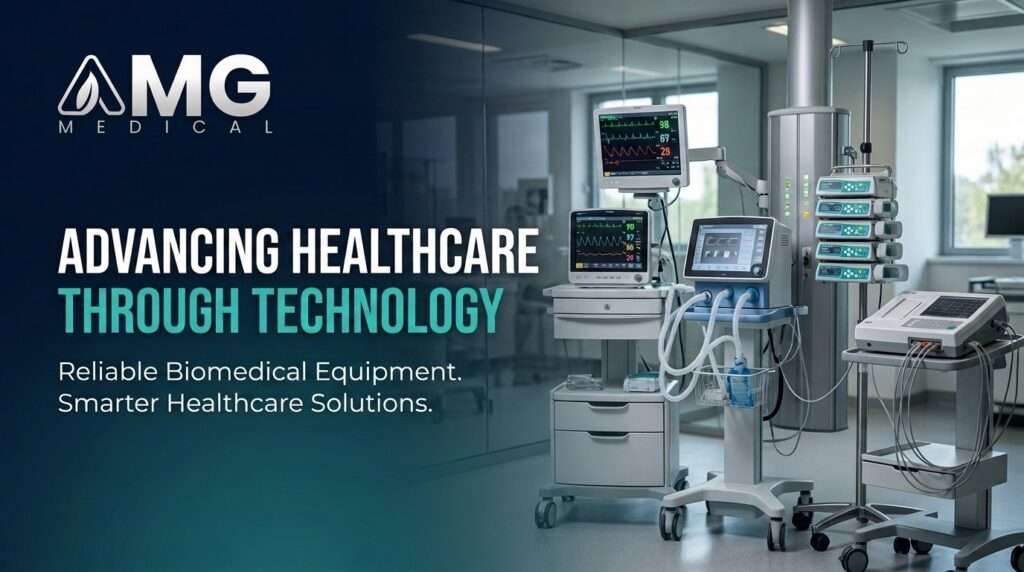
A patient monitor can display information such as heart rate, blood pressure, breathing rate, and oxygen levels. Some monitors show several measurements at the same time, allowing healthcare workers to observe changes in a patient’s condition.
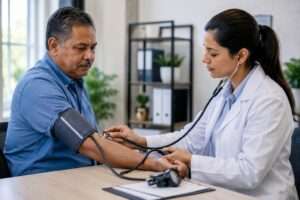
Pulse oximeters are another common type of monitoring device. They estimate the level of oxygen in the blood using a sensor. Digital thermometers measure body temperature, while blood pressure monitors help staff check pressure in the arteries.
These devices support patient care by providing useful information. However, healthcare workers must understand how to use them correctly and interpret their readings in the proper clinical setting.
Therapeutic Equipment
Therapeutic equipment is used to provide treatment or support the body’s normal functions. These devices help healthcare professionals manage different medical conditions and meet patient needs.
Infusion pumps are used to deliver fluids or medicines at a controlled rate. Oxygen delivery systems provide extra oxygen to patients who need it. Nebulizers turn liquid medicine into a mist that can be inhaled, depending on the prescribed treatment.
Other therapeutic devices include equipment used for heat therapy, electrical stimulation, and certain pain management treatments. The choice of device depends on the patient’s condition and the treatment plan.
Proper training is important when using these devices. Staff should follow medical instructions and manufacturer guidelines to support safe treatment.
Life Support Equipment
Life support equipment helps maintain important body functions when patients cannot manage them without medical support. It is often used in intensive care units, emergency departments, and operating rooms.
Ventilators help patients breathe when they cannot breathe well enough on their own. Defibrillators can deliver an electrical shock in certain serious heart rhythm emergencies. Anesthesia machines help trained medical professionals deliver anesthetic gases and manage breathing during surgery.
Because these devices may be used in critical situations, they need careful inspection and regular testing. Healthcare workers must also receive proper training to use them safely. A clear maintenance plan helps facilities keep essential equipment ready for use.
Laboratory Equipment
Laboratory equipment is used to test patient samples and support medical research. These devices help laboratory staff examine blood, urine, and other samples to provide information that doctors may use when making medical decisions.
Common examples include laboratory analyzers, centrifuges, microscopes, and incubators. Analyzers can measure different substances in samples. Centrifuges separate sample components by spinning them at high speed. Microscopes help staff view small structures that cannot be seen clearly with the naked eye.
Laboratory devices must be cleaned, checked, and calibrated according to their requirements. Proper sample handling is also important because equipment performance is only one factor that affects test quality.
Surgical and Operating Room Equipment
Surgical equipment supports medical teams during operations and other procedures. Operating rooms use different devices to help surgeons perform tasks and allow staff to monitor patients during surgery.
Examples include electrosurgical units, operating lights, anesthesia systems, suction machines, and patient monitors. Operating lights provide clear visibility, while suction machines remove fluids from the surgical area. Electrosurgical units are used by trained professionals for specific cutting or tissue treatment tasks.
Along with powered devices, operating rooms also require suitable hand instruments. These may include clamps, scissors, retractors, and forceps. Facilities looking for these products may contact surgical instruments manufacturers in Pakistan to learn about available instruments and product options.
Surgical tools and electronic devices must be checked before use. Cleaning, sterilization, inspection, and proper storage are essential for reusable instruments, while powered equipment must be maintained according to the manufacturer’s instructions.
Rehabilitation Equipment
Rehabilitation equipment helps patients improve movement, strength, balance, and daily function after an injury, illness, or operation. It is used in hospitals, physiotherapy centers, rehabilitation clinics, and some home care settings.
Common examples include walking frames, wheelchairs, exercise bikes, parallel bars, and therapy equipment. These tools can support patients as they work toward their recovery goals under the guidance of trained professionals.
The right equipment depends on the patient’s needs, physical ability, and rehabilitation plan. Devices should be adjusted and used correctly to reduce the risk of falls or other injuries.
Dental and Specialized Medical Equipment
Some biomedical devices are designed for specific medical fields. Dental clinics, for example, use equipment such as dental chairs, X-ray systems, curing lights, and devices for cleaning and treating teeth.
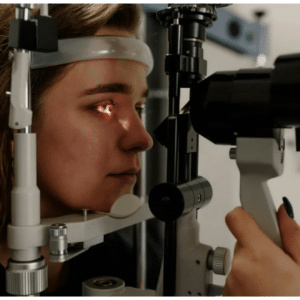
Eye clinics may use devices to examine vision and eye health, while ear, nose, and throat departments use equipment to examine these areas and support treatment. Other specialties use dedicated devices based on the conditions they manage.
Specialized equipment should match the services offered by the healthcare facility. Staff training, available technical support, and the cost of maintenance are also important factors to consider before purchasing a device.
Importance of Equipment Maintenance
All types of biomedical equipment need suitable care. Regular maintenance can help identify faults, reduce unexpected breakdowns, and support reliable performance. The maintenance plan should match the type of device, its level of use, and the manufacturer’s guidance.
Healthcare facilities should arrange routine inspections, functional tests, and calibration when required. If a device shows an error, gives unusual readings, or appears damaged, staff should report the issue and stop using it when safety may be affected.
A qualified surgical instrument supplier can help healthcare facilities source suitable instruments and related products. However, suppliers and service providers should be assessed according to product quality, technical support, and the needs of the facility.
How to Choose the Right Biomedical Equipment
Before buying medical equipment, healthcare facilities should consider the services they provide and the needs of their patients. Device quality, ease of use, safety features, warranty, availability of spare parts, and service support are all important.
Staff should be trained to operate equipment correctly. Facilities should also consider ongoing costs, including repairs, calibration, replacement parts, and routine maintenance. Buying a device without planning for its future care may lead to additional costs and avoidable downtime.
Choosing equipment carefully helps healthcare providers make practical use of their budget while supporting safe and effective patient care.
Conclusion
Different types of biomedical equipment support many areas of modern healthcare. Diagnostic devices help identify health problems, monitoring systems track vital signs, therapeutic equipment supports treatment, and life support devices help patients with serious medical needs. Laboratory, surgical, rehabilitation, dental, and specialized equipment also serve important roles.
The right equipment must be selected according to clinical needs and used by trained staff. Regular inspection, cleaning, calibration, and timely repairs help keep devices working properly. By choosing suitable products and maintaining them responsibly, healthcare facilities can support better patient care and more reliable daily operations.
More Info: Amg Medical