
Clear vision plays an important role in everyday life, from reading and working to driving and enjoying outdoor activities. For people who depend on glasses or contact lenses, LASIK eye surgery may offer an opportunity to reduce their dependence on corrective eyewear. LASIK is a laser vision correction procedure that reshapes the cornea to help light focus more accurately on the retina.
At Kurwa Eye Center, patients can receive LASIK evaluations and personalized guidance to understand their vision correction options. The practice serves patients in Glendora, Duarte, and West Covina, California, providing eye care and vision correction services tailored to individual needs.
Before deciding whether LASIK is right for you, it is helpful to understand how the procedure works, who may qualify, what recovery involves, and what to expect from an evaluation.
What Is LASIK Eye Surgery?
LASIK stands for Laser-Assisted In Situ Keratomileusis. It is a refractive surgery designed to correct certain vision problems caused by the way light focuses inside the eye.
The cornea is the clear, front surface of the eye. It helps bend incoming light so that it focuses on the retina. When the cornea’s shape causes light to focus incorrectly, a person may experience blurred vision.
LASIK uses laser technology to reshape the cornea and correct certain refractive errors, including:
-
Nearsightedness (myopia): Distant objects appear blurry.
-
Farsightedness (hyperopia): Close-up objects may be difficult to see clearly.
-
Astigmatism: An irregularly shaped cornea can cause blurred or distorted vision.
The goal is to improve visual clarity and reduce the need for glasses or contact lenses. However, results vary, and not every patient is a suitable candidate.
What Are the Benefits of LASIK Eye Surgery?
For eligible patients, LASIK can offer several practical benefits.
1. Reduced Dependence on Glasses and Contacts
One of the main reasons people consider LASIK is the opportunity to rely less on corrective eyewear. This may make activities such as exercising, traveling, and participating in outdoor hobbies more convenient.
2. Improved Everyday Convenience
Glasses can become uncomfortable during certain activities, while contact lenses require regular cleaning and maintenance. Vision correction surgery may reduce some of these everyday challenges.
3. Relatively Quick Procedure
LASIK is generally a short outpatient procedure. The actual laser treatment takes only a short time, although preparation, the procedure itself, and post-operative instructions require additional time.
4. Recovery for Many Daily Activities
Many patients notice improved vision soon after LASIK and may return to some normal activities within a day or two, depending on their recovery and their surgeon’s instructions. Follow-up care remains important.
5. Personalized Vision Correction
A comprehensive evaluation helps determine whether LASIK is appropriate for a patient’s prescription, corneal measurements, and overall eye health.
Although LASIK has helped many people reduce their dependence on corrective eyewear, it does not guarantee perfect vision or eliminate the possibility of needing glasses in the future.
Who Is a Good Candidate for LASIK?
LASIK may be suitable for adults with certain refractive errors and healthy eyes. However, eligibility depends on several factors, and an eye examination is necessary before making a decision.
Potential candidates generally:
-
Are at least 18 years old.
-
Have a relatively stable vision prescription.
-
Have healthy corneas with adequate thickness.
-
Have no significant untreated eye conditions.
-
Understand the potential benefits, limitations, and risks.
Some people may not qualify because of corneal irregularities, significant dry eye, unstable prescriptions, or other eye or health conditions. Pregnancy, breastfeeding, and certain medications or medical conditions may also affect eligibility or timing.
People who are not suitable for LASIK may be able to consider alternatives, such as PRK or implantable lenses, depending on their individual circumstances.
The best way to determine eligibility is through a comprehensive LASIK evaluation with an eye care professional.
What Happens During a LASIK Evaluation?
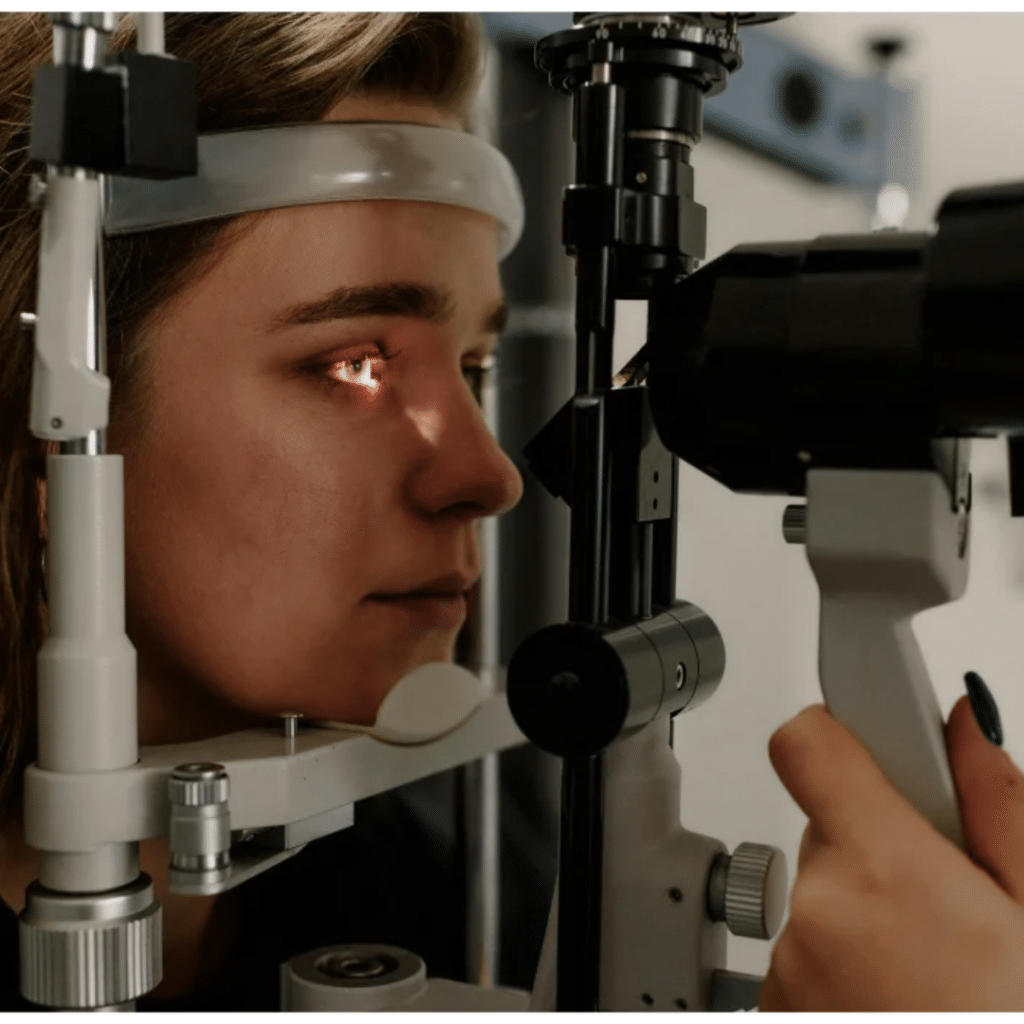
Before recommending LASIK, an eye care professional needs to understand your vision and examine the structures of your eyes.
At Kurwa Eye Center, the evaluation may include several diagnostic tests, depending on the patient’s needs.
Corneal Mapping
Corneal topography and tomography help assess the shape and structure of the cornea. These measurements can identify irregularities that may affect LASIK suitability.
Corneal Thickness Testing
Pachymetry measures corneal thickness. This information helps determine whether enough corneal tissue is available for the planned treatment.
Tear Film Assessment
Dry eye symptoms can affect comfort and recovery. Evaluating the tear film helps identify issues that may need attention before surgery.
Prescription and Eye Health Checks
The evaluation also considers prescription stability and overall eye health. These findings help the eye care professional determine whether LASIK or another vision correction option may be more appropriate.
What Happens During LASIK Eye Surgery?
LASIK typically involves several steps.
Step 1: Preparation
Numbing eye drops are used to help keep the procedure comfortable. The surgical team prepares the eye for treatment.
Step 2: Creating a Corneal Flap
In traditional flap-based LASIK, a thin flap is created in the cornea using a specialized laser or surgical instrument.
Step 3: Reshaping the Cornea
An excimer laser removes microscopic amounts of corneal tissue to correct the targeted refractive error.
Step 4: Repositioning the Flap
The corneal flap is carefully repositioned. It generally adheres naturally without stitches.
The procedure itself is brief, but patients must follow the surgeon’s instructions before and after treatment. Your eye care professional can explain the specific approach recommended for your eyes.
LASIK Recovery: What Should You Expect?
Recovery varies from person to person. Some patients notice clearer vision within hours, while visual clarity may continue to fluctuate during the initial healing period.
During recovery, patients may experience temporary dryness, light sensitivity, glare, halos, or mild discomfort.
To support healing:
-
Follow all prescribed medication and eye-drop instructions.
-
Avoid rubbing or pressing on your eyes.
-
Use protective eye shields if instructed.
-
Avoid swimming and activities that may expose your eyes to contamination until your surgeon says they are safe.
-
Attend all recommended follow-up appointments.
-
Follow your surgeon’s advice about driving, exercise, work, and makeup.
Contact your eye care professional promptly if you experience severe pain, sudden vision changes, or symptoms that worsen rather than improve.
Is LASIK Eye Surgery Right for You?
LASIK may be an option for people who want to reduce their dependence on glasses or contact lenses. However, the procedure is not appropriate for everyone, and individual results cannot be guaranteed.
A comprehensive evaluation can help determine whether your eyes are suitable for LASIK and explain the benefits, potential risks, expected recovery, and alternative treatments.
Kurwa Eye Center provides LASIK evaluations and eye care services for patients in Glendora, Duarte, and West Covina, California.
If you are considering laser vision correction, visit the official LASIK Eye Surgery service page to learn more and arrange a consultation.
Frequently Asked Questions About LASIK Eye Surgery
1. What is LASIK eye surgery used for?
LASIK corrects certain refractive errors, including nearsightedness, farsightedness, and astigmatism. It reshapes the cornea to help light focus more accurately on the retina.
2. Is LASIK eye surgery painful?
Numbing eye drops are used during the procedure, so significant pain is not typically expected. Some patients experience pressure or temporary discomfort. Dryness or irritation may occur afterward.
3. How long does LASIK surgery take?
The laser treatment itself is brief, and the complete procedure commonly takes approximately 10–15 minutes for both eyes. Preparation and post-operative instructions require additional time.
4. How soon can I see clearly after LASIK?
Some patients notice improved vision within hours, with further improvement over the following days. Recovery varies, and vision may fluctuate during healing.
5. Who is eligible for LASIK?
Adults with a stable prescription, healthy eyes, and suitable corneal measurements may qualify. Only a comprehensive examination can determine individual eligibility.
6. Can LASIK correct astigmatism?
Yes, LASIK can correct certain forms of astigmatism. Suitability depends on the degree of astigmatism, corneal health, and other individual factors.
7. Are LASIK results permanent?
LASIK permanently reshapes the cornea, but it cannot prevent natural age-related vision changes. Some people may need reading glasses later in life or experience prescription changes.
8. What are the possible side effects of LASIK?
Potential side effects include dry eyes, glare, halos around lights, light sensitivity, and fluctuating vision. Less common but more serious complications can occur. Discuss your personal risks with your eye surgeon.
9. Can I return to work the day after LASIK?
Some patients return to work the next day, but the timing depends on their vision, comfort, job requirements, and recovery. Follow your surgeon’s instructions before resuming normal activities.
10. What if I am not a good candidate for LASIK?
Depending on your eye health and prescription, alternatives may include PRK or implantable lenses. Your eye care professional can explain which options may be appropriate.
11. Does LASIK prevent the need for reading glasses?
Not necessarily. LASIK does not stop presbyopia, the natural age-related loss of near focusing ability. Some patients may need reading glasses as they get older.
12. Where can I get a LASIK evaluation?
Kurwa Eye Center offers LASIK evaluations and eye care services in Glendora, Duarte, and West Covina, California. Visit the practice’s website to learn about its services and schedule a consultation.
Take the Next Step Toward Clearer Vision
Understanding your vision correction options is the first step toward making an informed decision. Contact Kurwa Eye Center to discuss your vision goals, learn whether LASIK may be suitable for you, and explore a personalized treatment plan.