
Summary
Cash transportation presents unique security and operational challenges for businesses handling physical currency. Retail chains, banks, financial service providers, hospitality businesses and other cash-intensive organizations may need to move funds between branches, cash processing facilities and authorized financial destinations. These movements require more than standard courier services because the value being transported creates additional security, accountability and insurance considerations.
Armored transport is one of the established options for managing higher-risk cash movements. Depending on the provider and service arrangement, it can include specialized vehicles, trained personnel, scheduled collections, secure custody procedures and documented delivery confirmation. Businesses should also consider insurance terms, provider authorization, operational controls and contingency arrangements before selecting a service.
This guide explores the main cash in transit New York options, explains how armored transportation works and identifies the practical questions businesses should ask before arranging a cash movement. It also outlines how UNIVAL Logistics can support businesses with logistics planning and the evaluation of suitable secure transportation arrangements.
Overview
Cash remains an important part of daily operations for many organizations, even as electronic payments become more common. Retail stores collect physical payments, restaurants handle daily cash receipts, financial institutions manage currency transfers, and businesses sometimes need to move funds between multiple locations. These activities create a need for dependable transportation procedures.
The movement of physical currency can expose businesses to theft, loss, unauthorized access and administrative errors. Ordinary parcel delivery is generally not an appropriate substitute for a specialist cash-in-transit service because standard courier arrangements may not provide the required custody controls, vehicle security or insurance coverage for currency.
A professional cash transportation arrangement should be designed around the value being moved, collection frequency, distance, destination requirements and acceptable risk level. For businesses considering cash in transit New York services, the choice between scheduled armored collections, dedicated transportation and specialist secure logistics depends on the specific movement requirements.
UNIVAL Logistics helps businesses understand valuable-shipment transportation considerations, compare suitable logistics arrangements and identify the documentation and protection measures that should be confirmed before dispatch.
Key Takeaways
-
Armored transport is a specialist option for moving valuable cash between authorized locations.
-
Businesses should assess vehicle security, personnel procedures, custody records and delivery verification.
-
Cash transportation insurance must specifically address physical currency and the planned movement.
-
Collection schedules, route planning and contingency procedures are important parts of operational security.
-
Service providers should be assessed for relevant authorization, experience, insurance and documented operating procedures.
-
UNIVAL Logistics helps businesses evaluate secure transportation requirements and practical logistics options.
Quick Answer
Cash in transit New York services use specialist transportation arrangements, often involving armored vehicles, trained personnel, controlled custody procedures and appropriate insurance, to move physical currency securely between authorized locations.
Understanding Cash in Transit Services in New York
Cash in transit, commonly abbreviated as CIT, refers to the secure movement of physical money between locations. It can involve collecting cash from retail premises, transporting currency to a bank or cash processing facility, transferring funds between business branches, or delivering cash to an authorized destination.
Unlike ordinary parcel transportation, cash movements require procedures designed around financial security and accountability. The service provider must understand the risks associated with currency, maintain appropriate custody records and follow agreed collection and delivery arrangements.
Why Businesses Need Specialist Cash Transportation
Businesses that handle substantial cash volumes may face challenges when moving money through ordinary internal processes. Asking employees to transport large amounts of cash can create personal safety concerns, inconsistent procedures and unnecessary operational exposure. Using a standard delivery service may also create insurance and service-acceptance problems if the provider does not specifically accept currency.
Specialist transportation arrangements help businesses establish a more structured process. Depending on the contract, the service may include secure collection, controlled custody, transportation in an appropriately equipped vehicle and documented delivery to an approved recipient.
For organizations managing multiple branches or frequent cash collections, a consistent process can also make reconciliation and internal financial controls easier.
Common Businesses That Use Cash in Transit Services
Several business categories may require specialist cash transportation.
Retail stores and shopping businesses: Retailers may need regular collections of daily cash receipts from individual stores or multiple branches.
Banks and financial institutions: Financial organizations may arrange currency movements between branches, cash centers and other authorized facilities.
Restaurants and hospitality businesses: Hotels, restaurants and entertainment venues may collect physical payments and require secure arrangements for deposits.
Cash-intensive businesses: Certain service providers and commercial organizations continue to handle substantial physical currency and may need scheduled collection services.
Cash processing and financial service operators: Businesses responsible for counting, sorting or processing currency may require controlled transportation between facilities.
The appropriate arrangement depends on the amount being moved, the frequency of collections and the security requirements established by the organization.
Armored Transport Options for Secure Cash Movements
Armored transportation is commonly associated with high-value cash movements because it uses specialist vehicles and operational procedures designed for secure custody. However, not every armored service offers the same capabilities. Businesses should review the complete service arrangement instead of assuming that the presence of an armored vehicle automatically guarantees adequate protection.
Scheduled Armored Cash Collection
Scheduled collection is suitable for businesses that generate cash regularly. A transportation provider collects funds from an agreed location according to a planned service schedule and delivers them to an approved destination.
This arrangement can help retailers, hospitality operators and other cash-intensive organizations reduce the need for employees to transport collected money themselves. Collection frequency should be based on the business’s cash volume, storage arrangements, operating hours and internal financial procedures.
Before signing an agreement, businesses should confirm collection windows, missed-collection procedures, authorized collection personnel, custody documentation and the provider’s responsibility for funds after handover.
Dedicated Armored Transportation
Dedicated armored transport is an option for movements that require a more specific service arrangement. It may be appropriate for larger cash transfers, time-sensitive movements or transfers between designated financial facilities.
The service can be arranged around a defined collection and delivery requirement, subject to the provider’s capabilities and applicable regulations. Businesses should clarify whether the vehicle and personnel are assigned exclusively to the movement, what security procedures apply and how delivery confirmation is recorded.
Dedicated transportation may involve a higher service cost than scheduled collections, but it can provide greater flexibility when the movement has unusual timing, handling or coordination requirements.
Cash Center and Bank Transfers
Some organizations need to transfer currency between business premises, bank branches and cash processing centers. These movements require clear recipient authorization and an agreed chain of custody.
A reliable arrangement should specify the receiving facility, authorized representatives, accepted packaging requirements and procedures for reconciling the delivered amount. Businesses should also confirm whether the service provider accepts responsibility for the funds throughout the full transportation process or only during defined stages.
Multi-Location Cash Collection
Retail groups and businesses with several operating locations may benefit from coordinated collection arrangements. A service plan can define separate collection schedules, approved destinations and reporting requirements for each location.
Multi-location services should include consistent documentation and a clear process for handling discrepancies, delayed collections or changes to authorized personnel. The organization should retain its own financial records and reconcile collections against internal cash reports.
How Cash in Transit New York Services Work
A professional cash movement generally involves several coordinated stages. The exact process depends on the provider, service agreement, cash volume and applicable security requirements.
1. Service Assessment and Collection Planning
The process begins with an assessment of the business’s transportation requirements. The provider may need information about the number of locations, collection frequency, approximate cash volume, operating schedule and authorized destinations.
This information helps establish whether scheduled collections, dedicated armored transportation or another specialist arrangement is appropriate. Businesses should provide accurate operational information while following the provider’s secure onboarding and information-handling procedures.
2. Authorized Cash Preparation
Before collection, the business should follow its internal cash reconciliation and preparation procedures. Funds should be counted, recorded and packaged according to the service provider’s approved requirements.
The organization should establish clear authorization rules for employees responsible for preparing and releasing cash. Sensitive collection details should be shared only with people who need that information to perform their responsibilities.
3. Secure Collection and Custody Handover
At collection, authorized personnel should verify the identity and authority of the representatives involved. The handover should be documented through the agreed receipt, collection record or electronic confirmation process.
Businesses should understand precisely when custody and responsibility transfer to the provider. This is particularly important when a collection involves sealed packages, multiple locations or a third-party receiving facility.
4. Controlled Transportation
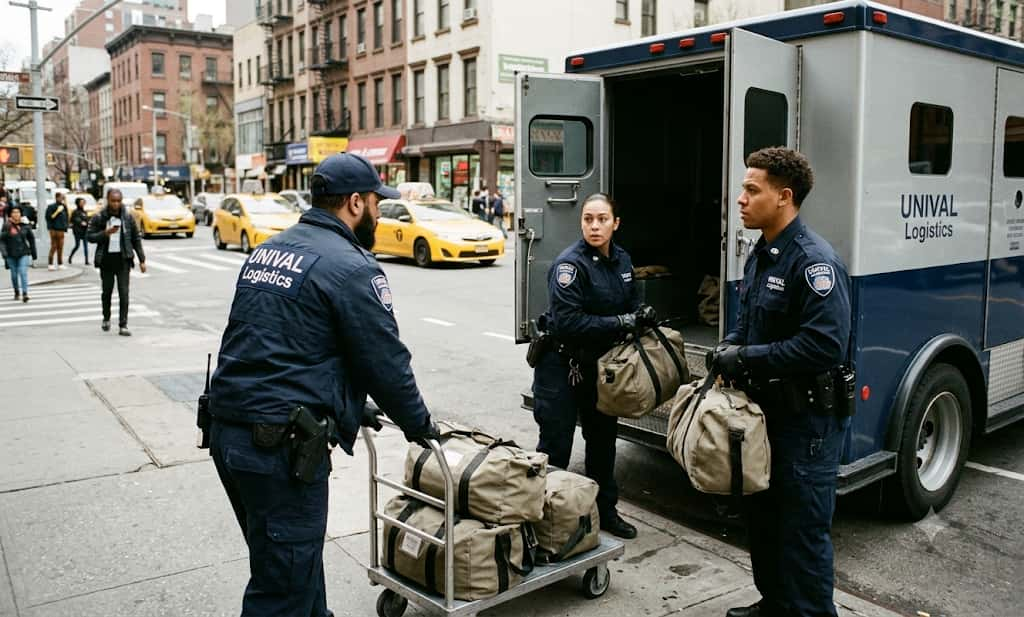
After collection, the funds are transported under the procedures established by the provider. Depending on the service, these may include specialist vehicles, trained personnel, controlled access, communication protocols and operational monitoring.
Businesses should request a clear explanation of the provider’s security standards without requiring disclosure of sensitive operational details that could compromise safety.
5. Delivery and Reconciliation
At the destination, the receiving party should follow the agreed verification and acceptance process. Delivery confirmation should identify the authorized recipient, date and relevant transaction or collection reference.
The business should reconcile the provider’s documentation with its own cash records. Any discrepancy, delay or suspected irregularity should be reported through the agreed escalation process.
Security Measures That Matter in Cash Transportation
Selecting a transportation provider requires looking beyond the vehicle itself. Effective security depends on a combination of people, procedures, equipment and accountability.
Vehicle and Equipment Standards
Specialist armored vehicles may provide reinforced construction and other security features appropriate to the service. Businesses should verify that the provider uses vehicles suitable for the agreed movement and maintains them according to its operating requirements.
Vehicle security should form part of a wider risk management process rather than being treated as a complete solution on its own.
Trained and Authorized Personnel
Personnel handling cash movements should have appropriate training, authorization and clearly defined responsibilities. Businesses should ask how the provider verifies staff suitability, manages access to funds and maintains accountability during collections and deliveries.
The provider should also have documented procedures for incidents, service interruptions and unusual collection circumstances.
Chain of Custody Documentation
A clear chain of custody helps establish who was responsible for the funds at each stage. Records may include collection receipts, package references, transfer confirmations and destination acceptance documents.
Accurate documentation supports reconciliation and provides a record that can be reviewed if a discrepancy or insurance claim arises.
Monitoring and Communication
Businesses should understand what service updates are available during a cash movement. Depending on the contract, these may include collection notifications, delivery confirmations and escalation contacts.
The provider should explain how it communicates significant service disruptions while protecting sensitive operational information.
Contingency and Incident Procedures
A suitable service agreement should explain how the provider handles vehicle breakdowns, unexpected delays, failed collections, destination closures and suspected security incidents.
Businesses should establish who to contact, what information must be reported and how the provider documents the incident. A written escalation process helps avoid confusion when normal arrangements cannot be completed.
Cash Transportation Insurance and Financial Protection
Insurance is one of the most important considerations when arranging cash transportation. A provider may offer a secure vehicle and controlled collection process, but these features do not automatically establish that the full cash value is insured.
Businesses should review the actual policy wording, service contract and any applicable coverage limitations before releasing funds.
Confirm That Physical Currency Is Covered
Some transportation or cargo insurance policies contain restrictions or exclusions relating to cash, banknotes, coins, negotiable instruments and other financial assets. Businesses should obtain written confirmation that the policy specifically covers the type of currency being transported.
It is important to distinguish between general cargo insurance, declared-value arrangements and specialist cash-in-transit coverage. These products are not necessarily interchangeable.
Understand Coverage Limits
Insurance may include per-collection, per-vehicle, per-location or annual aggregate limits. A business moving funds above the applicable limit could face an uninsured exposure even if the provider has insurance.
Confirm the maximum covered value for each movement, any applicable deductibles and whether the limit changes according to the service type or transportation conditions.
Review Exclusions and Conditions
Coverage can depend on compliance with specific procedures. Policy conditions may address packaging, approved collection arrangements, authorized personnel, storage before collection, delivery verification and incident reporting.
Businesses should review exclusions carefully and request clarification of any condition that could affect a potential claim.
Confirm When Insurance Responsibility Begins and Ends
The insurance and service agreement should explain when coverage begins, whether it applies during collection and transportation, and when it ends at the receiving destination.
For example, a policy may treat funds held at business premises differently from funds already accepted by the transportation provider. Understanding these boundaries helps prevent gaps in protection.
UNIVAL Logistics encourages businesses to review insurance arrangements alongside transportation procedures so that the service selected matches the value and risk profile of the movement.
How to Choose a Cash Transportation Provider in New York
Choosing a provider requires a structured evaluation of operational suitability, security controls, insurance and service reliability. Businesses should avoid selecting a service based solely on price or the appearance of its vehicles.
Verify Authorization and Relevant Experience
Ask whether the provider holds the licenses, registrations and approvals required for the services it performs. The applicable requirements depend on the activities involved, the provider’s role and the relevant jurisdiction.
Businesses should also assess experience with commercial cash movements and the type of collection or delivery arrangement required.
Review Insurance Documentation
Request evidence of relevant insurance and verify that physical currency is covered under the proposed service. Confirm coverage limits, exclusions, deductibles and the circumstances under which the policy applies.
Do not rely on general statements that a provider is insured. The specific policy terms are what determine the available protection.
Assess Service Reliability
Review collection schedules, service availability, delivery confirmation procedures and the provider’s approach to missed collections. For businesses with recurring cash movements, consistent performance is essential to daily financial operations.
Ask for clear service-level expectations and escalation contacts before beginning regular collections.
Examine Contract Responsibilities
The agreement should define the provider’s responsibilities, the customer’s preparation requirements, custody transfer points, liability provisions and claims procedures.
Businesses should pay particular attention to the difference between the provider’s contractual liability and the amount recoverable under an insurance policy. These amounts may not be identical.
Compare Overall Service Value
A low initial quotation may not include all relevant services. Additional charges may apply for dedicated vehicles, special collection windows, multiple stops, unusual handling requirements or higher coverage limits.
A meaningful comparison should consider the total cost of the service, the protection provided, operational reliability and the provider’s ability to meet the business’s requirements.
UNIVAL Logistics helps businesses evaluate logistics needs and understand the factors involved in arranging secure transportation for valuable assets.
Costs of Armored Cash Transportation in New York
The cost of cash transportation depends on the service structure, cash volume, collection frequency, distance, security requirements and insurance arrangements. Providers generally assess these factors before issuing a quotation.
Because specialist cash-in-transit services are contract-specific, businesses should obtain a written proposal rather than rely on a universal price estimate.
Common cost components include:
-
Scheduled collection charges: Recurring service fees based on collection frequency, operating schedule and agreed locations.
-
Dedicated armored vehicle charges: Additional transportation costs for movements requiring a dedicated vehicle or customized service arrangement.
-
Distance and service-area fees: Charges that may vary according to the collection and delivery locations and the transportation requirements.
-
Cash handling and processing fees: Additional costs where counting, verification, sorting or other cash processing services are included.
-
Insurance and coverage costs: Premiums or service charges associated with the insured value, policy conditions and selected protection level.
-
Special scheduling fees: Potential additional charges for urgent collections, out-of-hours services or nonstandard operating requirements.
Important Disclaimer
All cost prices and service charges should be treated as baseline estimates or quotation components rather than guaranteed rates. Actual costs are subject to market fluctuations, supplier changes, service availability and variable logistics fees. Insurance requirements, transportation distance, cash volume and operational conditions may also affect the final quotation. For the latest and most accurate prices, please contact UNIVAL Logistics for professional guidance and a service assessment based on your specific requirements.
Common Challenges in Cash Transportation and How to Manage Them
Even with a specialist provider, businesses should prepare for operational challenges that can affect cash movements.
Collection Delays
Traffic, access restrictions, operational interruptions and changes to collection schedules can affect service timing. Businesses should establish a contingency procedure and confirm how delayed collections will be communicated.
Maintaining an agreed contact list and escalation process helps the organization respond without sharing sensitive information unnecessarily.
Cash Reconciliation Differences
Differences between internal records and collection documentation can create accounting and operational concerns. Businesses should maintain consistent counting procedures, authorized handover records and reconciliation checks.
Any discrepancy should be reported promptly through the agreed provider and internal finance channels.
Insurance Gaps
A business may assume that all cash is protected because it has arranged transportation with an insured provider. However, coverage can depend on the movement stage, value limits and policy conditions.
The best way to reduce this risk is to review the policy and contract together before service begins.
Unauthorized Access
Uncontrolled access to collection information, cash preparation areas and handover records can increase exposure. Businesses should restrict sensitive information to authorized employees and follow documented internal controls.
Collection instructions should be changed only through approved verification procedures.
Unexpected Operational Disruptions
Vehicle issues, destination closures and other unforeseen events may interrupt a planned movement. A provider should have a defined incident management process, while the business should know how to contact the responsible service team.
How UNIVAL Logistics Supports Secure Transportation Planning
UNIVAL Logistics understands that valuable shipments require careful coordination, clear documentation and appropriate risk management. Cash movements have specific security and insurance considerations, so businesses should select services that are designed and authorized for the handling of physical currency.
UNIVAL Logistics can help businesses assess their logistics requirements, identify relevant transportation considerations and evaluate the documentation needed when comparing specialist service providers. This includes reviewing movement frequency, collection and delivery requirements, insurance questions and operational priorities.
Businesses should confirm the precise scope of any proposed service, including whether physical currency is accepted, whether an appropriately authorized cash-in-transit operator will perform the movement and which party is responsible for custody and insurance at each stage.
Practical Planning for Business Cash Movements
A suitable transportation plan should begin with a clear understanding of the business’s operating needs. Organizations should identify how often cash needs to move, the approximate value involved, the approved destinations and the documentation required for reconciliation.
The business should then evaluate specialist providers against those requirements. A well-defined arrangement can reduce confusion, improve accountability and support more consistent financial operations.
Reliable Service and Cost Awareness
Cost matters, but it should not be the only selection criterion. Businesses should consider the full value of a transportation arrangement, including service consistency, insurance suitability, documented procedures and the provider’s ability to handle the required movement.
UNIVAL Logistics focuses on helping businesses understand these factors and assess practical, cost-conscious logistics options. The objective is to support informed decisions without compromising the security and accountability required for valuable cash movements.
Final Thoughts
Secure cash transportation is an important operational requirement for businesses that regularly handle physical currency. Armored vehicles, trained personnel, controlled handovers, clear custody records and appropriate insurance all contribute to a more structured transportation process.
When evaluating cash in transit New York arrangements, businesses should examine the provider’s authorization, insurance coverage, service responsibilities and contingency procedures. They should also confirm that the proposed service specifically accepts physical currency and provides the level of protection required for the movement.
UNIVAL Logistics can help organizations assess their logistics requirements, understand valuable-shipment protection considerations and compare suitable transportation arrangements. Careful planning and clear service agreements can help businesses manage cash movements with greater confidence and accountability.
Frequently Asked Questions
1. What is cash in transit transportation?
Cash in transit is the secure movement of physical currency between locations, such as retail premises, bank branches, cash processing centers and other authorized destinations. Specialist providers may use armored vehicles, trained personnel and documented custody procedures.
2. What is an armored cash transportation service?
An armored cash transportation service is a specialist arrangement for moving physical currency using vehicles and security procedures designed for valuable financial shipments. Depending on the provider, it may include scheduled collections, dedicated transportation, secure custody and delivery confirmation.
3. Which businesses need cash in transit services in New York?
Retailers, banks, restaurants, hotels, financial service providers and other cash-intensive businesses may need specialist cash transportation. The appropriate service depends on cash volume, collection frequency, operating requirements and risk exposure.
4. Is cash in transit transportation insured?
Insurance availability depends on the provider and policy. Businesses should confirm in writing that physical currency is covered, review the applicable limits and exclusions, and understand when coverage begins and ends.
5. Are ordinary courier services suitable for transporting cash?
Ordinary courier services should not be assumed to accept or insure physical currency. Businesses should use a provider that specifically accepts cash movements and can demonstrate the relevant authorization, custody procedures and insurance arrangements.
6. What affects the cost of armored cash transportation?
Costs can depend on collection frequency, cash volume, transportation distance, dedicated vehicle requirements, cash processing services, insurance limits and special scheduling. A written quotation should identify the services included and any additional charges.
7. How can a business verify a cash transportation provider?
Businesses should review the provider’s relevant licenses and authorizations, insurance documents, experience, operating procedures, service agreement and incident management process. They should also verify the provider’s responsibility for funds during each stage of transportation.
8. What documents are important for a cash movement?
Depending on the arrangement, important records may include service agreements, collection receipts, cash reconciliation records, transfer references, delivery confirmations and insurance documentation. These records help establish accountability and support financial reconciliation.
9. Does armored transportation eliminate all cash security risks?
No. Armored transportation can provide important security measures, but no service eliminates every risk. Businesses should combine specialist transportation with internal cash controls, appropriate insurance, restricted access and documented handover procedures.
10. How can UNIVAL Logistics help with secure cash transportation requirements?
UNIVAL Logistics can help businesses assess valuable-shipment logistics requirements, understand insurance and documentation considerations, and evaluate suitable transportation arrangements. Businesses should confirm the exact scope of any proposed cash-in-transit service, including the authorized operator, currency acceptance and coverage terms.