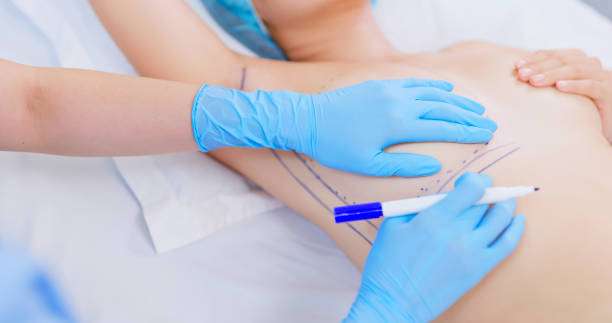

Recovery after DIEP Flap Breast Reconstruction in Dubai involves healing at two surgical sites: the chest, where the breast is reconstructed, and the lower abdomen, where the tissue is taken. Understanding the recovery process can help patients prepare for hospital care, temporary movement restrictions and follow-up appointments. Each person’s experience is different, so the surgical team’s instructions should guide every stage of healing.
The First Stage of Recovery After DIEP Flap Breast Reconstruction in Dubai
DIEP flap surgery is a major microsurgical procedure. After the operation, patients usually remain in hospital for close observation while the medical team assesses their general condition and monitors the transferred tissue.
An important part of early recovery is checking the flap’s blood circulation. The surgical team may use clinical examinations and monitoring equipment to assess its colour, temperature and blood supply. This helps identify possible circulation problems that may require urgent medical attention.
During this initial period, patients may experience:
Swelling and bruising around the reconstructed breast and abdomen.
Tenderness or discomfort at both surgical sites.
Temporary tightness across the lower abdomen.
Fatigue following general anaesthesia and major surgery.
Surgical drains to remove excess fluid, if required.
Pain relief and other supportive treatments are provided according to individual needs.
Managing Chest and Abdominal Healing
Unlike procedures involving only one surgical area, DIEP flap reconstruction requires attention to two sets of incisions. The reconstructed breast needs time to settle, while the abdominal donor site must heal following tissue removal.
Patients should follow instructions about dressing changes, bathing and drain management. Incisions should be kept clean according to the clinical team’s guidance, and any unexpected changes should be reported rather than treated independently.
Abdominal tightness can make standing upright or changing position uncomfortable initially. The care team may recommend particular movement techniques to reduce strain while the area heals.
Movement and Daily Activities During Recovery
Gentle movement is often introduced under medical supervision. Walking short distances, when approved, can support general recovery and help reduce complications associated with prolonged immobility.
However, returning to normal activity too quickly can place stress on healing tissues.
Patients may need to temporarily avoid:
Heavy lifting and carrying.
Strenuous exercise and high-impact activities.
Movements that stretch or strain abdominal incisions.
Driving until they are medically cleared and can move safely.
Activities that conflict with wound-care or drain instructions.
The return to work depends on the physical demands of the job, the patient’s progress and the surgeon’s assessment. A desk-based role may require a different recovery plan from a job involving prolonged standing or physical effort.
Factors That Can Influence Recovery Progress
There is no single recovery timeline for every patient. Several factors can affect how quickly someone resumes daily activities.
These include:
Overall health and nutritional status.
Previous abdominal operations or existing abdominal conditions.
The complexity and duration of the procedure.
Wound-healing response.
Whether additional cancer treatments are planned.
Individual tolerance for physical activity.
Smoking, uncontrolled medical conditions and certain medications may also influence surgical healing. Patients should discuss their medical history and current medication use during preoperative consultations.
Warning Signs That Need Medical Attention
Following DIEP flap surgery, patients should understand which symptoms require prompt assessment. A sudden change in the reconstructed breast may indicate a circulation problem, while fever or increasing wound redness may suggest infection.
Contact the surgical team promptly if you notice:
Sudden changes in flap colour or temperature.
Increasing or severe pain that is not controlled by prescribed medication.
Fever, spreading redness or unusual wound discharge.
Significant swelling or unexpected bleeding.
Calf pain, swelling or tenderness.
Shortness of breath or chest pain.
Severe chest pain or difficulty breathing requires emergency medical attention. Do not wait for a routine follow-up appointment if serious symptoms develop.
Follow-Up Care After DIEP Flap Breast Reconstruction in Dubai
Follow-up appointments allow the surgical team to review healing at both operative sites. These visits may include wound assessments, drain removal when appropriate and advice about gradually increasing activity.
Longer-term reviews can also help assess breast shape, abdominal contour and any concerns involving scars or sensation. Some patients may discuss additional procedures for symmetry or contour refinement after healing, depending on their needs.
Keeping appointments and reporting changes early are important parts of the recovery process.
Clinic Note: Recovery from DIEP flap reconstruction requires patience and consistent follow-up. Patients should follow their surgeon’s individual instructions rather than relying on general online recovery schedules.
Frequently Asked Questions
How long does recovery after DIEP flap reconstruction take?
Recovery varies according to the operation, general health and healing response. Returning to everyday activities is gradual, and strenuous exercise may remain restricted until the surgeon gives clearance.
Why does the abdomen feel tight after DIEP flap surgery?
The lower abdomen is a donor site where skin and fat have been removed and the incision closed. Tightness and discomfort can occur while the tissues heal.
Will I need help at home after surgery?
Many patients benefit from assistance with household tasks, shopping, childcare and other daily responsibilities during the early recovery period.
Can I exercise after DIEP flap reconstruction?
Exercise should resume gradually and only according to medical advice. Heavy lifting, abdominal exercises and strenuous activity should be avoided until the surgical team confirms they are safe.
Are follow-up appointments necessary?
Yes. Follow-up visits help assess flap health, incision healing and abdominal recovery, while allowing the team to identify complications or concerns.
Learn More About DIEP Flap Breast Reconstruction
Understanding the recovery process is an important part of making an informed decision about breast reconstruction. Patients should discuss their health, treatment history, expected recovery needs and individual surgical options with a qualified medical team.
For further information, explore DIEP Flap Breast Reconstruction in Dubai at Tajmeels Clinic.