
Prepaid SIM Cards vs. eSIMs: Which Option Offers Better Value?
Staying connected while traveling is no longer a luxury. From checking maps and booking transport to contacting family and working remotely, reliable mobile data can make a trip significantly easier. But when planning an international journey, one question often comes up: Are traditional prepaid SIM cards or eSIMs the better value?
Both options allow travelers to control their mobile spending without committing to a long-term contract. The difference lies in how they work, what they cost, how easily they can be activated, and whether they suit your device and travel plans.
For some travelers, a physical prepaid SIM remains the most practical choice. For others, a digital eSIM offers a simpler way to get online without visiting a shop or replacing their existing SIM card.
The best option depends on more than the advertised price. Data allowances, validity periods, network coverage, calling requirements, and the number of destinations on your itinerary all influence the real value you receive.
What Is the Difference Between a Prepaid SIM Card and an eSIM?
A traditional prepaid SIM card is a removable plastic chip that connects your phone to a mobile network. You purchase a plan with a specified amount of data, calls, texts, or credit, then insert the SIM into your device and activate it.
An eSIM, or embedded SIM, performs the same basic function digitally. Instead of inserting a physical chip, you download a mobile network profile onto a compatible device, usually through a QR code, an app, or your phone’s settings.
The GSMA, the mobile industry’s global association, describes eSIM as a technology that enables mobile subscriptions to be downloaded securely onto compatible devices.
In practical terms, the main distinction is simple: a prepaid SIM requires a physical card, while an eSIM lets you activate a supported mobile plan digitally.
Both can provide prepaid connectivity, and neither automatically guarantees better coverage or lower prices. Those benefits depend on the plan, network partners, destination, and terms of service.
Prepaid SIM Cards vs. eSIMs: A Quick Comparison
| Feature | Prepaid SIM card | eSIM |
|---|---|---|
| Activation | Insert the card and follow setup instructions | Download or scan a digital profile |
| Device compatibility | Works with compatible phones that accept physical SIMs | Requires eSIM support and usually an unlocked device |
| Initial setup | May require a store visit or delivery | Often purchased and installed online |
| Pricing | Local prepaid bundles can be competitive | Travel plans can be convenient and competitively priced |
| Phone number | Often offers a local number, depending on the plan | May be data-only or include calls and a number |
| Keeping your home SIM | May require a second SIM slot or swapping cards | Can coexist with a physical SIM on supported devices |
| Multiple destinations | May require changing cards or buying roaming add-ons | Regional plans can cover multiple countries |
| Best suited to | Local use, older devices, and local-number needs | Compatible phones, short trips, and frequent travelers |
The important takeaway is that neither format is universally cheaper. A local physical SIM may offer excellent value for an extended stay, while a travel eSIM can be more convenient for a short visit or a multi-country itinerary.
Which Option Is Cheaper: A Prepaid SIM or an eSIM?
Price is often the deciding factor, but comparing only the initial purchase price can lead to the wrong conclusion.
A $5 SIM card with a small data allowance may be less economical than a $10 plan that provides enough data for an entire trip. Similarly, an eSIM advertised at a low starting price might include only a small amount of data or a short validity period.
To compare plans fairly, consider five factors:
-
Cost per gigabyte: Divide the plan price by its included data allowance.
-
Validity period: Check whether the data expires after a few days, weeks, or a month.
-
Activation fees: Include any SIM, delivery, registration, or setup charges.
-
Coverage: Verify that the plan works in every destination on your itinerary.
-
Extra costs: Check top-up prices, hotspot restrictions, speed limits, and calling charges.
For example, imagine two hypothetical plans:
| Plan detail | Plan A | Plan B |
|---|---|---|
| Price | $8 | $12 |
| Included data | 3 GB | 10 GB |
| Cost per GB | $2.67 | $1.20 |
| Validity | 7 days | 30 days |
Plan A costs less upfront, but Plan B offers a lower cost per gigabyte and a longer validity period. However, Plan A may still be the better purchase if you need only 2 GB for a short visit.
This is why the most useful question is not simply, “Which SIM costs less?” It is, “Which plan gives me the connectivity I need without paying for data I will never use?”
Travelers can use PrepaidSIM.net to compare available prepaid and eSIM options across destinations and evaluate plans based on their needs.
When Is a Traditional Prepaid SIM the Better Choice?
Despite the growing popularity of eSIM technology, physical prepaid SIM cards remain useful. They can offer better value or fewer practical complications in several situations.
1. You Have an Older or Incompatible Phone
Not every smartphone supports eSIM technology. Older models and some regional variants may support only physical SIM cards.
If your device does not support eSIM, a traditional prepaid card is the straightforward solution. Before purchasing, confirm that the phone is compatible with the destination’s network frequencies and is not locked to your existing carrier.
2. You Need a Local Phone Number
Some travelers need more than internet access. They may need to receive conventional calls, send SMS messages, make local bookings, or communicate with businesses that do not use messaging apps.
A local prepaid SIM may be a better fit when the package includes a local number and suitable calling and texting allowances.
However, do not assume every physical SIM includes voice service. Some are data-only, just like many travel eSIMs. Always check the package details.
3. You Are Staying for Several Weeks or Months
Longer stays can change the cost calculation. A local operator may offer monthly prepaid bundles with generous data allowances, domestic calls, and the option to renew or top up.
For students, seasonal workers, extended-stay visitors, and people visiting family abroad, a local prepaid SIM can be worthwhile if its rates and eligibility requirements are favorable.
4. You Prefer In-Person Assistance
Some travelers prefer purchasing a SIM from an authorized retailer or carrier store. Staff may help with activation, explain local packages, or assist with basic troubleshooting.
This can be particularly useful when the local market has registration requirements or when a traveler is unfamiliar with digital activation.
Keep in mind that airport convenience counters may charge more than other retailers, so compare the total package cost before buying.
When Does an eSIM Offer Better Value?
An eSIM is especially attractive when convenience, flexibility, and avoiding physical SIM swaps matter as much as price.
1. You Want Connectivity as Soon as You Arrive
With a compatible, unlocked phone and a suitable plan, you can purchase and install an eSIM before departure. Once the plan is activated according to its instructions and your phone connects to a supported network, you can start using mobile data.
This means you may not need to search for a shop, queue at an airport kiosk, or depend on public Wi-Fi to arrange connectivity.
It is still important to read the activation instructions. Some plans begin their validity period when installed, while others start when they connect to a destination network.
2. You Want to Keep Your Existing Number
Many compatible phones support dual-SIM functionality, allowing a physical SIM and an eSIM to be used together.
For example, you could keep your home SIM available for important calls or SMS messages while routing mobile data through a travel eSIM.
This arrangement can also preserve access to messaging apps associated with your existing number. However, keeping your home line active may still trigger roaming charges, so check your home carrier’s rates and disable roaming where appropriate.
3. You Are Visiting Multiple Countries
A multi-country trip can make physical SIM management inconvenient. Buying a new card in every destination takes time, and some cards may not work after you cross a border.
A regional eSIM can simplify this process if its coverage includes every country on your itinerary. Rather than purchasing separate plans at each stop, you may be able to use one plan across several destinations.
For example, someone visiting France, Spain, and Italy could compare a regional European package against three separate country-specific plans.
The best deal depends on the countries covered, data allowance, validity, and network arrangements. A regional package is not automatically cheaper than individual local plans.
4. You Travel Frequently
Frequent travelers may appreciate the ability to store multiple eSIM profiles on a supported device and switch between them when necessary.
Once you understand the setup process, buying a new travel plan can become a routine task rather than another errand at the airport.
For a practical comparison, HelloRoam’s international eSIM plans are one option to investigate alongside local carrier packages and other providers. Check the specific destination, supported networks, plan duration, and any restrictions before buying.
How to Choose a Travel SIM for Different Destinations
The best choice can vary by country because local prices, network coverage, registration rules, and available packages are different.
Japan: Compare Coverage and Data Allowances
Travelers visiting Tokyo, Kyoto, Osaka, or more rural areas should consider the locations they intend to visit, not just the advertised data allowance.
A Japan eSIM comparison can help narrow down digital plans. A physical prepaid SIM may also be worth considering if the traveler needs a local number or has an incompatible phone.
Before buying, check the supported Japanese networks and whether the package offers enough data for navigation, translation, and everyday browsing.
Dubai: Check Local Requirements and Plan Features
For Dubai and the wider United Arab Emirates, compare the total package price, network coverage, activation rules, and whether the plan includes calls or only data.
Travelers researching an eSIM for Dubai should verify that their chosen plan supports their device and intended services. A local physical SIM may suit visitors who need a local number, while an eSIM can be convenient for those who mainly require mobile data.
Local regulations and service restrictions can affect the experience, so confirm current requirements before departure.
Spain: Consider Your Travel Style
A visitor spending a week in Barcelona may prioritize easy activation and a small data package. Someone staying for a month or working remotely in Madrid may prefer a larger bundle or a local prepaid plan.
Comparing Spain eSIM options can help travelers evaluate data allowances and validity periods. If the trip includes neighboring countries, check whether a regional plan offers coverage beyond Spain.
Europe: Look Beyond a Single Country
A European itinerary can involve multiple networks, currencies, and national roaming arrangements. A regional eSIM may simplify connectivity across borders, provided the included countries match the itinerary.
Explore an eSIM for Europe to compare regional options, then check whether the package includes all your destinations and supports the network speeds and hotspot use you need.
Travelers visiting only one country should compare local prepaid offers as well. A regional plan may include flexibility that a single-country visitor never uses.
USA: Match the Plan to Your Data Needs
The United States is geographically large, and coverage can vary significantly between urban centers, highways, and rural areas.
A visitor planning to use navigation in several states should prioritize network coverage along the route. A short city break may require much less data than a road trip involving frequent navigation, video calls, or hotspot use.
Compare an eSIM for the USA with local prepaid offers, checking whether the plan connects to suitable US networks and whether tethering is permitted.
The same principle applies everywhere: select the plan around the trip you are actually taking, rather than choosing based on the destination name alone.
What About International Roaming?
International roaming is another option, but it should be compared separately from prepaid SIM cards and travel eSIMs.
Roaming allows your existing carrier to connect your phone to partner networks abroad. It can be convenient, especially when your home plan already includes international data or your carrier offers an affordable travel pass.
However, charges and allowances vary. Some plans impose daily fees, restrict high-speed data, or charge extra for calls and messages.
The US Federal Communications Commission advises travelers to investigate international rates and service arrangements before departure to avoid unexpected charges.
A useful comparison includes three options:
-
Home-carrier roaming: Convenient when your plan includes affordable international service.
-
Local prepaid SIM: Potentially attractive for longer stays, local numbers, or domestic bundles.
-
Travel eSIM: Convenient for advance setup, data-focused use, and eligible multi-country trips.
Do not assume an eSIM is automatically cheaper than roaming. Compare the actual costs for the duration of your trip and the amount of data you expect to use.
How to Avoid Paying More Than You Need To
Whether you choose a physical SIM or an eSIM, a few simple habits can help you get better value.
Estimate Your Data Usage
Think about how you use your phone while traveling. Messaging and occasional map searches require far less data than uploading videos, joining video meetings, or streaming entertainment.
Download offline maps, travel tickets, and entertainment over Wi-Fi before leaving. These small steps can reduce the data allowance you need.
Check the Validity Period
A large data allowance is not useful if it expires before you can use it. Match the plan’s validity to your travel dates and check when the validity period begins.
Verify Hotspot and Speed Restrictions
If you need to connect a laptop or share data with another traveler, confirm that tethering is allowed. Some plans also apply fair-use limits or reduce speeds after a specified threshold.
Confirm Compatibility Before Purchasing
For an eSIM, verify device support, carrier-unlock status, and the installation method. For a physical SIM, check the SIM format, device compatibility, and supported network bands.
Keep Your Main Line Under Control
If you use dual SIM, select the correct line for mobile data and review your home line’s roaming settings. Avoid assuming that using a travel eSIM automatically disables charges from your regular carrier.
Compare the Complete Price
Include activation costs, top-ups, expiry rules, and any additional services you require. A plan that is slightly more expensive upfront may offer better overall value if it includes more usable data or a longer validity period.
Are eSIMs More Secure Than Physical SIM Cards?
Neither format should be considered completely risk-free, but eSIM technology offers a practical physical-security advantage: its profile cannot simply be removed from a lost phone in the same way as a removable SIM card.
Apple notes that eSIMs can help prevent someone from removing a SIM when a supported iPhone is lost or stolen.
However, an eSIM does not eliminate account-security risks, phishing, or fraudulent account access. Use a strong device passcode, enable account protections, and contact your carrier promptly if your phone is lost.
Physical SIMs also provide established security protections and remain a reliable option when managed carefully.
The Verdict: Which Option Offers Better Value?
For most travelers with compatible, unlocked smartphones, a travel eSIM is an excellent option when convenience, advance setup, and flexible international data are priorities.
A traditional prepaid SIM can be the better choice for older devices, longer stays, local calling requirements, or destinations where a local carrier provides a more suitable package.
The real winner depends on your needs:
-
Choose a prepaid SIM if you need a local number, prefer in-person assistance, or find a better local bundle.
-
Choose an eSIM if your phone supports it and you want to arrange travel data before departure or simplify a multi-country trip.
-
Choose roaming if your existing carrier already provides a competitive international allowance.
Before making a decision, compare the total price, data allowance, validity, network coverage, and any restrictions that could affect your trip.
The goal is not to buy the newest technology or the cheapest advertised package. It is to stay connected reliably, avoid unnecessary charges, and pay only for the service you genuinely need.
With a little preparation, both prepaid SIM cards and eSIMs can make international travel easier and more predictable.
FAQs
1. Is a prepaid SIM cheaper than an eSIM?
Not always. Local prepaid SIM cards can offer competitive prices, especially for long stays or local calling. Travel eSIMs can provide good value for short trips and multi-country itineraries. Compare cost per gigabyte, validity, coverage, and additional charges before purchasing.
2. Can I use an eSIM and a physical SIM at the same time?
Yes, many modern smartphones support dual-SIM functionality. However, the exact combinations depend on the phone model, region, and carrier. You can often keep your home SIM active while using an eSIM for travel data.
3. Do eSIMs work in every country?
No. An eSIM works only where its provider offers coverage through supported mobile networks. Check the destination list, supported carriers, device compatibility, and any regional restrictions before buying.
4. Is an eSIM better for international travel?
An eSIM is often more convenient for international travel because it can be installed digitally before departure and may cover multiple countries. A physical prepaid SIM can still offer better value when a local plan includes useful calling allowances or more affordable data.
5. Should I buy a SIM card at the airport or before traveling?
Buying before departure can save time and help you compare prices in advance. Airport SIM cards may be convenient, but the available packages are not necessarily the cheapest. Compare the total cost, data allowance, and activation requirements before deciding.
Suggested image ideas with alt text

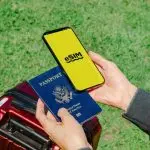
Traveler comparing a physical prepaid SIM card with eSIM settings on a smartphone.

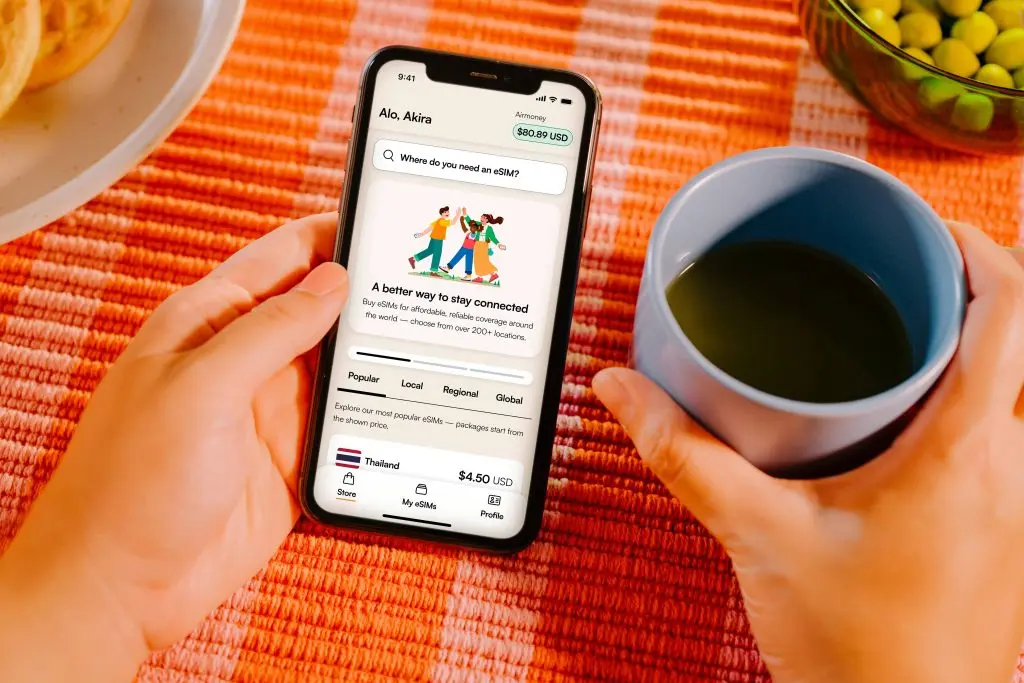
Image 2: How eSIM activation works
Traveler setting up a digital eSIM on a compatible smartphone before departure.

International traveler using mobile data for navigation while exploring a European city.