
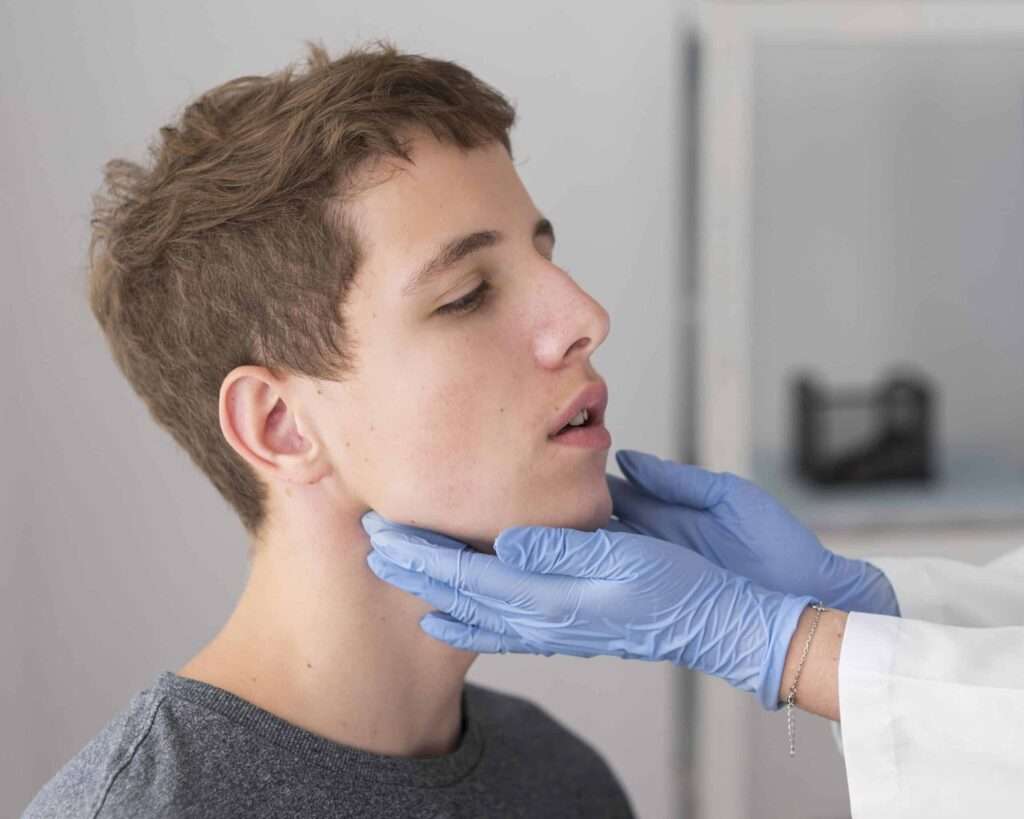

Jaw problems can affect much more than your smile. Misaligned jaws may lead to difficulty chewing, speaking, breathing, and even chronic jaw pain. At the same time, they can impact facial balance and self-confidence. For individuals dealing with these concerns, Jaw Surgery in Islamabad offers a comprehensive solution by improving both oral function and facial aesthetics.
Modern jaw surgery, also known as orthognathic surgery, is designed to correct skeletal irregularities of the upper jaw, lower jaw, or both. Thanks to advanced surgical planning and imaging technology, patients can achieve a healthier bite while enhancing the overall harmony of their facial features.
What Is Jaw Surgery?
Jaw surgery is a corrective surgical procedure that repositions the jawbones to improve their alignment. It is typically recommended when orthodontic treatment alone cannot fix severe jaw irregularities.
The procedure is often performed after detailed evaluation, including digital imaging, X-rays, and orthodontic planning. In many cases, braces are used before and after surgery to ensure optimal results.
Why Is Jaw Surgery Needed?
Jaw surgery is not only performed for cosmetic reasons. It also addresses several functional issues that can affect daily life.
Common reasons include:
- Difficulty chewing or biting food
- Speech problems caused by jaw misalignment
- Chronic jaw pain or temporomandibular joint (TMJ) issues
- Breathing difficulties, including some cases of sleep apnea
- Facial asymmetry
- Open bite, underbite, or overbite
- Congenital jaw abnormalities or injuries
By correcting the underlying skeletal problem, jaw surgery improves both health and appearance.
Functional Benefits of Jaw Surgery
One of the greatest advantages of jaw surgery is the improvement in everyday function.
Better Chewing Efficiency
A properly aligned jaw allows the upper and lower teeth to meet correctly, making chewing easier and more comfortable.
Improved Speech
Jaw misalignment can affect pronunciation and speech clarity. Corrective surgery often improves speech by creating better tongue and jaw positioning.
Easier Breathing
Certain jaw abnormalities reduce airway space, making breathing difficult during sleep. Jaw surgery may enlarge the airway and improve breathing in selected patients.
Reduced Jaw Pain
Correcting jaw alignment can decrease excessive stress on the jaw joints and surrounding muscles, reducing chronic discomfort.
Aesthetic Benefits of Jaw Surgery
In addition to restoring function, jaw surgery can dramatically improve facial appearance.
Balanced Facial Profile
A recessed or protruding jaw can make the face appear disproportionate. Surgical correction creates a more balanced side profile.
Improved Facial Symmetry
Jaw repositioning helps create better harmony between the chin, cheeks, lips, and nose.
Enhanced Smile
Correct jaw alignment improves the way the teeth fit together, creating a more attractive and confident smile.
Increased Confidence
Many patients report greater self-esteem after surgery because their facial features appear more balanced and natural.
Who Is a Good Candidate?
Jaw surgery may be recommended for adults whose jawbones have fully developed and who experience functional or structural jaw problems.
Ideal candidates generally include people who:
- Have severe bite misalignment
- Experience difficulty eating or speaking
- Have facial imbalance caused by jaw position
- Suffer from chronic jaw discomfort
- Have completed facial growth
- Are in good overall health
A comprehensive consultation helps determine whether surgery is the most suitable treatment option.
The Treatment Process
The journey typically begins with a thorough examination and treatment planning.
The process usually includes:
- Clinical examination
- Digital scans and X-rays
- Orthodontic preparation if required
- Customized surgical planning
- Jaw surgery under general anesthesia
- Recovery and post-operative orthodontic adjustments
Advanced 3D imaging helps surgeons accurately plan every stage of the procedure for predictable outcomes.
Recovery After Jaw Surgery
Recovery varies depending on the complexity of the procedure and individual healing ability.
During recovery, patients can expect:
- Temporary swelling and mild discomfort
- A soft or liquid diet for several weeks
- Regular follow-up appointments
- Gradual improvement in speaking and chewing
- Return to normal activities within several weeks, depending on recovery progress
Following post-operative instructions carefully helps support proper healing and long-term results.
Long-Term Results
Jaw surgery provides lasting improvements because it corrects the underlying bone structure rather than simply masking the problem.
Long-term benefits often include:
- Stable bite alignment
- Better oral function
- Improved facial proportions
- Enhanced breathing and speech
- Greater comfort during daily activities
- Long-lasting aesthetic enhancement
Maintaining good oral hygiene and attending follow-up appointments helps preserve the results.
Choosing the Right Clinic
Selecting an experienced oral and maxillofacial surgery team is essential for successful treatment. A reputable clinic should offer advanced diagnostic technology, personalized treatment planning, experienced specialists, and comprehensive follow-up care.
Patients should also ensure that the clinic provides clear communication regarding the treatment process, recovery expectations, and long-term care.
Frequently Asked Questions
Is jaw surgery painful?
The procedure is performed under general anesthesia, so patients do not feel pain during surgery. Mild discomfort after surgery is usually managed with prescribed medications.
How long does recovery take?
Initial recovery generally takes several weeks, while complete healing of the jawbones may continue for several months.
Will jaw surgery change my facial appearance?
Yes. Jaw surgery often improves facial balance and symmetry while maintaining a natural appearance that complements your facial features.
Can jaw surgery improve breathing problems?
In selected cases, correcting jaw alignment can increase airway space and improve breathing, especially for patients with structural airway obstruction.
Are the results permanent?
Yes. Once the jawbones heal properly, the structural correction is generally permanent, provided patients maintain good oral health and follow professional advice.
Final Thoughts
For individuals experiencing both functional jaw problems and concerns about facial appearance, Jaw Surgery in Islamabad provides a comprehensive solution that addresses both aspects simultaneously. By correcting jaw alignment, patients can enjoy easier chewing, clearer speech, improved breathing, and a more balanced facial profile. With modern surgical techniques, careful treatment planning, and proper post-operative care, Jaw Surgery in Islamabad offers safe, predictable, and long-lasting results that improve both quality of life and self-confidence.