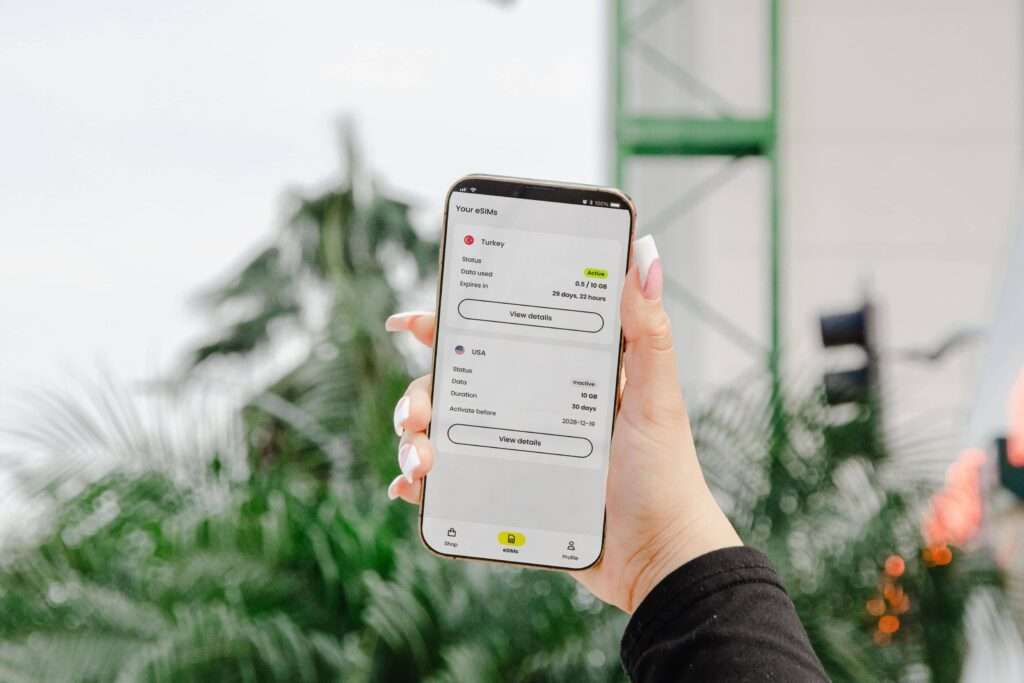

How SIM Technology Works in Modern Smartphones
Modern smartphones do much more than make calls and send text messages. They connect people to the internet, support video calls, enable digital payments, and provide access to essential apps wherever a reliable mobile network is available. Behind many of these everyday features is a small but important technology: the Subscriber Identity Module, commonly known as a SIM.
SIM technology has evolved significantly since the early days of mobile phones. Traditional SIM cards have been joined by smaller formats, embedded SIMs (eSIMs), and newer digital connectivity solutions that make it easier to manage mobile services. Understanding how SIM technology works can help users choose the right device, protect their mobile identity, and stay connected when travelling internationally.
What Is SIM Technology?
A Subscriber Identity Module is a component that helps a mobile network identify and authenticate a subscriber. It stores important information associated with the mobile subscription, including security credentials and identifiers used during network authentication.
A SIM is not the same as a mobile phone number. The phone number is associated with a mobile subscription, while the SIM or its embedded equivalent provides credentials that help the network verify that the subscription is authorised to connect.
When a smartphone connects to a mobile network, the SIM-related credentials allow the network to authenticate the subscription. Once authentication is successful and other network requirements are met, the device can access the services included in its mobile plan, such as calls, messaging, and mobile data.
SIM technology is therefore an essential part of how mobile operators manage secure access to their networks.
How Does a SIM Card Work in a Smartphone?
Although the process happens in seconds, several steps take place when a smartphone connects to a mobile network.
1. The Phone Detects a Mobile Network
When a smartphone is switched on, it searches for compatible mobile networks within range. The available networks depend on factors such as the phone’s supported frequency bands, network technology, location, and signal strength.
The device identifies networks it can potentially use and begins the process of establishing a connection.
2. The SIM Provides Subscriber Credentials
The SIM contains security information associated with the mobile subscription. During network registration, the phone and network use an authentication process to establish whether the subscription is authorised.
Modern authentication systems use cryptographic methods rather than simply transmitting a secret authentication key over the air.
3. The Network Authenticates the Subscription
The mobile operator checks the authentication response against its subscriber records. If authentication succeeds and the subscription is eligible for service, the network can allow the device to register.
The exact process varies depending on the mobile network generation and operator configuration.
4. The Smartphone Connects to Available Services
After successful registration, the smartphone can access the services permitted by the subscription and network. These may include voice calls, SMS, and mobile data, depending on the plan and the device’s configuration.
If the phone cannot register, possible causes include poor signal, an inactive subscription, incorrect network settings, a SIM-related issue, or a device that does not support the available network technology.
Understanding the Different Types of SIM Technology
SIM technology has developed to accommodate smaller devices, modern smartphone designs, and more flexible connectivity options. The main types include traditional physical SIM cards, embedded SIMs, and newer integrated SIM implementations.
Physical SIM Cards
A physical SIM is a removable card inserted into a compatible SIM tray. Common form factors include nano-SIM, micro-SIM, and the older mini-SIM.
The nano-SIM is widely used in modern smartphones that support removable SIM cards. Its compact design allows manufacturers to use internal space more efficiently.
Physical SIM cards are familiar and straightforward to transfer between compatible unlocked devices. However, users may need to replace or remove the card when changing operators or subscriptions, and handling a small card can be inconvenient when travelling.
Embedded SIM (eSIM)
An eSIM is a programmable SIM solution built into a compatible device. Instead of inserting a removable card, users can download and activate a supported mobile operator profile.
This can make it easier to add a mobile plan, switch between supported subscriptions, or use a separate data plan when travelling. However, the available features depend on the device, mobile operator, and plan.
An eSIM does not eliminate the need for mobile network coverage. It still connects to supported cellular networks, and users must ensure that their phone and selected plan are compatible.
Integrated SIM (iSIM)
An integrated SIM, or iSIM, incorporates SIM functionality into a device’s system-on-chip rather than using a separate removable card or standalone eSIM chip.
This approach can reduce hardware requirements and support compact connected devices, including some Internet of Things products. Adoption depends on hardware capabilities, operator support, security requirements, and manufacturer implementation.
Although iSIM technology is developing, physical SIM cards and eSIMs remain the more familiar options for most smartphone users.
SIM vs eSIM: What Is the Difference?
Physical SIMs and eSIMs serve a similar purpose: they provide credentials used to authenticate a mobile subscription. The main difference is how the SIM information is provisioned and managed.
| Feature | Physical SIM | eSIM |
|---|---|---|
| Format | Removable card | Embedded programmable component |
| Activation | Insert a card and follow operator instructions | Download or activate a supported profile |
| Changing plans | May require a new card or operator procedure | May be possible through digital profile provisioning |
| Device compatibility | Requires a compatible SIM slot | Requires eSIM hardware and software support |
| Travel convenience | May require obtaining and inserting another card | Can allow compatible travel plans to be added digitally |
| Network coverage | Depends on the operator and plan | Depends on the operator, plan, and supported networks |
Neither option automatically provides better signal strength. Actual performance depends on the mobile network, local coverage, supported frequency bands, device capabilities, and network congestion.
For travellers, an eSIM can be particularly convenient because it may allow a data plan to be installed before departure. Before purchasing one, users should check their phone’s eSIM compatibility, whether the device is carrier-unlocked, and the plan’s activation requirements.
How Dual SIM Technology Works
Many modern smartphones support Dual SIM functionality, allowing users to maintain two mobile subscriptions on one device. Depending on the phone, this may mean two physical SIMs, a physical SIM combined with an eSIM, or two active eSIMs.
Dual SIM can be useful for people who want to separate personal and business numbers or keep their home number while using a local or travel data plan abroad.
However, Dual SIM implementations differ. Some phones support Dual SIM Dual Standby, where both subscriptions remain available while the phone is idle but may share radio resources during calls. Other configurations have different limitations.
Users should check how their specific device handles incoming calls, mobile data selection, roaming, and simultaneous network activity before relying on both subscriptions.
Why eSIM Technology Is Useful for International Travel
International travel often introduces connectivity challenges. Travellers may face roaming charges, need a local SIM, or have to search for a mobile shop after arriving at their destination.
An eSIM can simplify this process by allowing users to purchase a compatible plan online and install its profile before or during a trip. Depending on the provider, the plan may offer data access through one or more partner networks in the destination country.
Still, travellers should compare more than just the advertised price. Data allowances, validity periods, supported networks, hotspot availability, activation rules, and coverage all influence whether a plan is suitable.
Checking travel eSIM network coverage before departure can help travellers understand the available options and compare plans for their intended destinations.
Using an eSIM in Germany
Germany has extensive mobile infrastructure, but connectivity can vary between cities, rural areas, buildings, and transport routes. Travellers should look at the networks supported by a travel plan and consider where they expect to spend most of their time.
A suitable eSIM for Germany can help visitors access mobile data without relying entirely on international roaming through their home operator. Before buying, check the plan’s data allowance, validity, activation instructions, and whether tethering is supported if you intend to share your connection with a laptop or another device.
Staying Connected in Spain
Spain attracts visitors to major cities, coastal destinations, islands, and rural regions. Because network conditions can differ by location, it is worth checking coverage for the places included in your itinerary rather than assuming that a plan will perform identically everywhere.
An eSIM for Spain may be a practical option for travellers who want to arrange mobile data before arrival. Compare available plans, supported local networks, and the amount of data you expect to use for maps, messaging, bookings, and video calls.
Mobile Connectivity in Italy
Travelling through Italy may involve a combination of large cities, smaller towns, countryside, and intercity rail journeys. Coverage and speeds can vary across these environments, so choosing a plan with suitable network access is important.
An eSIM for Italy can help travellers arrange a data connection without needing to buy a physical SIM after landing. Check the plan’s coverage details and whether it supports your phone before making a purchase.
Choosing a Plan for Multiple European Countries
Travellers visiting several countries may prefer a regional plan instead of purchasing a separate plan for every destination. However, not all regional eSIMs include the same countries, and some plans apply different limits or conditions when used across borders.
A regional eSIM for Europe may be useful for multi-country itineraries. Review the list of included destinations, data allowance, validity period, and network partners to ensure the plan matches your route.
Comparing plans before travelling can help you avoid paying for unnecessary data or discovering that a destination is excluded after you arrive.
Is eSIM Technology Secure?
Security is an important part of modern SIM technology. SIMs and eSIMs support subscriber authentication through protected credentials and standardised security mechanisms. eSIMs also allow supported profiles to be provisioned digitally, reducing the need to handle and exchange physical cards.
Nevertheless, neither physical SIMs nor eSIMs make users immune to fraud. Scams, account takeovers, weak account security, and fraudulent SIM-swap requests can still create risks.
Smartphone users can improve their security by following a few basic practices:
-
Set a strong screen lock and keep the operating system updated.
-
Use a secure account password and multifactor authentication where available.
-
Protect the account used to manage mobile service and eSIM profiles.
-
Never share one-time verification codes with unexpected callers or messages.
-
Contact the mobile operator promptly if the phone unexpectedly loses service or there are signs of unauthorised account changes.
Travellers should also use trusted Wi-Fi networks where possible and avoid entering sensitive information on suspicious websites. An eSIM helps manage connectivity, but it does not replace broader digital security practices.
Common SIM and eSIM Problems and How to Fix Them
Even when a phone and subscription are compatible, connectivity issues can occur. A few straightforward checks may help identify the cause.
The Phone Does Not Recognise the SIM
For a physical SIM, switch off the phone if recommended by the manufacturer, check that the card is correctly positioned, and inspect it for visible damage. Restart the device and check whether a software update is available.
For an eSIM, confirm that the profile has been installed and activated correctly. If the profile cannot be installed, contact the provider rather than deleting it immediately, as some plans restrict how often a profile can be downloaded.
Mobile Data Is Not Working
First, check that mobile data is enabled and that the correct SIM or eSIM is selected for data use. Confirm that the plan is active and has available data.
If you are abroad, check the provider’s roaming instructions. Some travel plans require data roaming to be enabled on the travel line. Follow the provider’s guidance, since settings differ by plan and device.
The Phone Shows No Service
Move to an area with a stronger signal, toggle airplane mode, and restart the phone if necessary. If the problem continues, check for network outages, supported frequency bands, carrier restrictions, and subscription status.
For a travel eSIM, verify that your destination is included in the plan and that the device is connecting to a supported partner network.
Calls and Data Behave Differently
Some travel eSIMs provide data only and do not include a regular phone number for voice calls or SMS. Users may still be able to use internet-based calling and messaging apps, but those services require a working data connection and may have separate verification requirements.
Read the plan details carefully if you need traditional calls, SMS verification, or access to a home number during your trip.
The Future of SIM Technology
SIM technology continues to develop alongside advances in smartphones, mobile networks, and connected devices. eSIM adoption makes digital provisioning more accessible, while iSIM designs may help reduce hardware complexity in supported products.
As devices become more connected, programmable SIM technology can make it easier to manage subscriptions across smartphones, tablets, wearables, and Internet of Things devices. Operators and manufacturers will continue to determine how these technologies are implemented and supported.
The overall direction is toward more flexible subscription management, but users will still need compatible devices, supported operators, and appropriate network coverage.
Conclusion
SIM technology plays a central role in how modern smartphones identify mobile subscriptions and connect to cellular networks. Physical SIM cards remain useful, while eSIMs offer a convenient digital alternative for compatible devices. Dual SIM features and emerging iSIM implementations provide further options for managing mobile connectivity.
For everyday users, understanding these differences makes it easier to troubleshoot network problems, protect mobile accounts, and choose a suitable phone plan. For international travellers, eSIM technology can simplify access to mobile data in destinations such as Germany, Spain, Italy, and other European countries.
The best choice depends on your device, destination, budget, data needs, and the networks supported by the plan. Checking these details before activating a SIM or eSIM can help you stay connected with fewer surprises.