
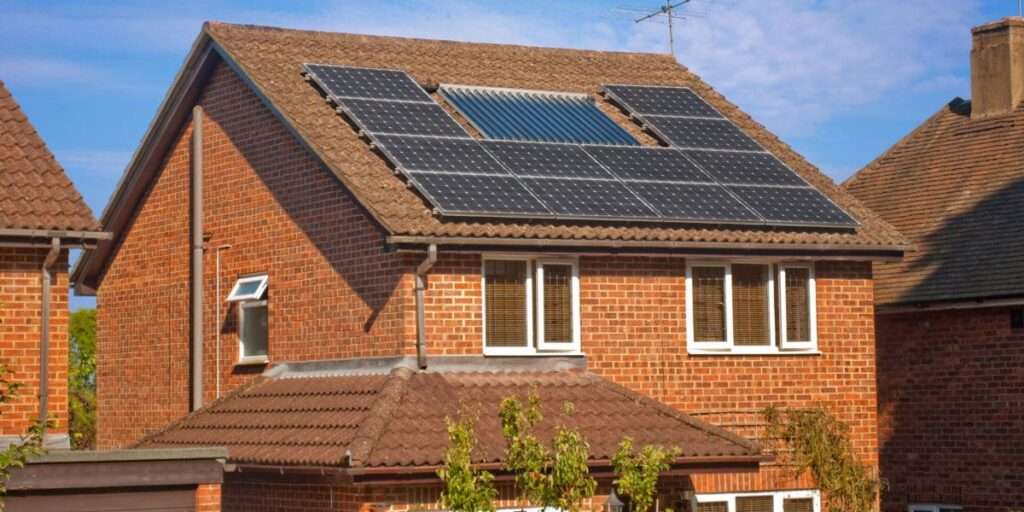

In Pakistan, solar power is now a smart choice for many people. Every year, more and more families switch to solar energy because their electricity bills are going up and there are a lot of load shedding. But there is a very important question you need to answer before you buy a solar system. Just how many solar panels do you need for your house?
The answer relies on a number of things, such as how much electricity you use every day, how much sunlight your city gets, and the type of panels you choose. This guide makes it easy to understand so you can confidently plan your solar system.
Understanding Your Electricity Usage
To figure out how many solar panels you need, you must first know how much power your home uses. Look at your power bills from the last six months and write down how many units you use on average each month. Based on the amount of appliances and the size of the family, most homes in Pakistan use between 500 and 1000 units per month.
Once you know how much you usually use, you can figure out how much you use each day. Say you use 900 units a month. Then, the average number of units you use each day is about 30. This number will be used to figure out how many solar panels you need.
Factors That Affect Solar Panel Numbers
How many panels your home needs depends on a number of things. Pakistan has different daylight hours, so your city is very important. There is more sunlight in cities like Multan and Bahawalpur in the winter than in Islamabad or Lahore.
Roof space is also important. You might choose higher-wattage panels instead of adding more units if your roof is small and doesn’t allow for as many panels. The tools you run will also change what you need. Things like air coolers, water pumps, and geysers need more panels because they use more power.
Panel economy is also very important. To meet the same energy needs, you only need a fraction as many of the best solar panels because they turn more sunlight into usable electricity.
How to Calculate Solar Panels for Your Home
A simple method can be used to figure out the exact number of panels. First, divide the amount of energy you use every day by the number of daylight hours in your area. In most Pakistani cities, this number is five hours. This tells you how big of a system you need in kilowatts.
For instance, if you use 30 units every day, divide that number by 5 sunlight hours. This means that your system needs to be 6kW. The next step is to divide the size of your system by the power of one panel. Most panels in Pakistan come in three different power levels: 330W, 450W, and 550W.
For a 6kW system with 550W panels, you’ll need about 11 panels. There are about 18 330W screens that you need. This is why the number of units you need is directly related to the wattage of the screen.
Choosing the Best Solar Panels for Pakistani Homes
The best solar panels for your home will depend on your long-term energy goals, budget, and the amount of space on your roof. Because they are more efficient and can fit on smaller roofs, monocrystalline panels are a popular choice for homes in cities. Polycrystalline panels are less expensive and work better on homes with bigger roofs where energy economy is not as important.
Another important thing to look for is weather protection. In some parts of Pakistan, it gets very hot, there are dust storms, and it rains a lot. The best solar panels have strong frames and coats that keep dust from building up and damage from high temperatures. This helps them keep working well for years to come.
Warranty is another important thing to think about. Manufacturers you can trust back their products with 10- to 12-year promises and performance warranties that last 25 years. This keeps your investment safe and makes sure that your system keeps making electricity properly for many years.
Best Solar Panels Brands Available in Pakistan
In Pakistan today, the best solar panels can be bought from a number of well-known brands. Customers and installers have a lot of trust in companies like Jinko Solar, Canadian Solar, JA Solar, Longi, and Huawei. These brands make panels that are very efficient, last a long time, and keep putting out power even when it’s dark outside.
These foreign brands are often sold by local distributors, which makes it easier for homeowners to get good products without having to wait for long import delays. Before you buy, you should always look at the panel’s datasheet to see the decline rate, temperature coefficient, and efficiency percentage. You can use these numbers to figure out how well the panel works over time.
Average Solar Panel Requirement for Common Home Sizes
Small homes with basic appliances like a fridge, fans, and lights usually need a 3kW to 5kW system, which means they need 8 to 12 panels, based on the wattage. Medium-sized homes with air conditioners and other machines usually need a 6kW to 8kW system with 12 to 18 panels.
Homes that are bigger, have more than one air conditioner, water pumps, and a lot of daily use may need a 10kW system or more, which can mean 20 to 25 panels. These numbers change depending on how full your appliances are and what you do each day, so it’s better to figure out how much you use than to rely on rough estimates.
Tips to Get More From Your Best Solar Panels
To get the most out of your best solar panels, they need to be installed correctly and kept in good shape. Place the panels so that they face south to get the most sunlight during the day. Stay away from areas that are shaded by trees, water tanks, or nearby buildings, as even small shadows will greatly reduce output.
During dry times, clean your panels every two weeks to get rid of dust and other things that are stuck on them. When dust builds up on panels, it can make them less efficient, which lowers the amount of electricity they produce overall. A professional inspection should be done once a year to check the wiring, the inverter’s performance, and the state of the panels.
Adding a good inverter to your system also makes it work better generally. A good inverter turns DC electricity into usable AC power with little loss, which makes sure that your panels work as well as they can.
To Read More: Click Here
Last Thoughts
How many solar panels you need for your home depends on how much electricity you use, how much roof room you have, and how long the sun shines where you live. If you divide your daily usage by the number of hours of sunlight, you can get a good idea of how big your system is and how many panels it has.
If you choose the best solar panels, your investment will pay off in the long run through steady performance, lower bills, and dependability. Whether you choose a monocrystalline or polycrystalline option, pay attention to quality, warranty, and well-known brands in the Pakistani market.