
Planning a wedding involves dozens of decisions that must come together on the right day, at the right time, and within an agreed budget. An Event Planner helps couples organize these arrangements by managing venues, suppliers, décor, catering, guest coordination, and the activities scheduled for each function. Their work begins well before the wedding and continues until the final arrangements are completed.
A wedding may include several gatherings, each with its own traditions, guest requirements, and logistical needs. Having a professional responsible for these details helps families keep track of important decisions while allowing them to focus on the celebrations. Understanding the planner’s responsibilities also helps couples decide which services they need before making any commitments.
What Does an Event Planner for Weddings Actually Do?
A wedding planner manages the arrangements required to organize each function, including venue selection, supplier coordination, décor, catering, and scheduling. Their responsibilities depend on the couple’s requirements and the services agreed upon before planning begins.
For weddings with multiple functions, the planner coordinates separate arrangements for events such as Mehndi, Nikah, Barat, and reception. They also communicate with vendors and venue staff to keep preparations on schedule and address unexpected changes.
Main Responsibilities of a Wedding Event Planner
A wedding planner manages several practical tasks during preparation and on the event day, including:
- Preparing budgets and tracking wedding expenses.
- Selecting venues and confirming facility requirements.
- Communicating with vendors and suppliers.
- Planning décor, lighting, and seating layouts.
- Managing guest reception and hospitality.
- Preparing schedules for individual functions.
- Supervising arrangements during wedding events.
These responsibilities help keep different teams informed and ensure that important arrangements are completed according to the agreed schedule.
How to Choose the Right Wedding Event Planner in Pakistan
A Wedding Event Planner in Pakistan should have experience organizing different wedding functions, strong vendor connections, and a portfolio that reflects their previous work. Reviewing completed weddings helps couples understand the planner’s approach to décor, venue arrangements, guest management, and event execution.
Before making a decision, families should discuss service charges, payment terms, responsibilities, and the number of functions covered. A clear agreement helps prevent confusion during the preparation period and keeps everyone aware of their commitments.
Essential Decisions to Make Before Wedding Planning
Several early decisions influence the budget, venue arrangements, and overall organization of a wedding. Families should settle the following points before confirming major bookings:
- Set a realistic budget for all wedding functions.
- Prepare an estimated guest list for each gathering.
- Select venues according to guest capacity and location.
- Decide on the number and type of wedding functions.
- Establish décor preferences and seating requirements.
- Confirm catering choices and meal arrangements.
- Set tentative dates and function timings.
Making these decisions early gives the planning team a clear direction and helps avoid last-minute changes to important bookings.
The Importance of Budget Planning in Weddings
Wedding expenses can increase quickly when several functions, venues, and suppliers are involved. A planner helps families divide the available budget across décor, catering, entertainment, photography, and venue costs while keeping track of payments and outstanding expenses.
Early cost estimates also help couples compare supplier quotations before making bookings. This allows families to decide where to spend more and which arrangements can be adjusted to stay within their financial limits.
Venue Selection and Guest Management
Choosing a wedding venue requires attention to guest capacity, location, parking, available facilities, and the type of function being arranged. A planner helps families compare suitable venues and check whether the space can accommodate the planned activities and seating arrangements.
Guest management also requires careful attention, particularly for large wedding gatherings. Coordinating invitations, reception areas, seating layouts, and dining arrangements helps venue staff prepare for the expected attendance and manage guest movement during the event.
Managing Wedding Décor and Event Design
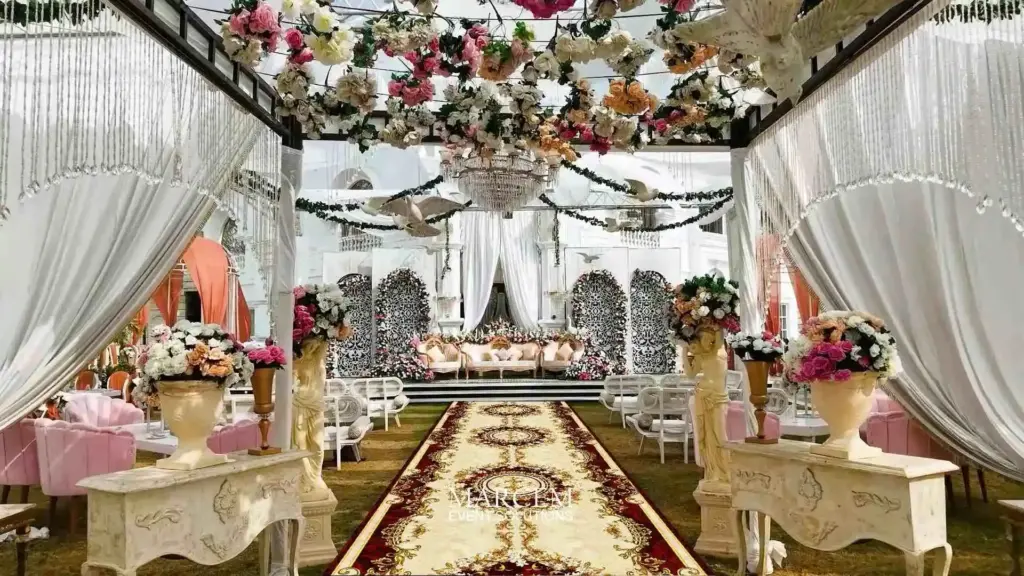
Wedding décor plays an important role in setting the appearance of each function. Planners coordinate stage designs, floral arrangements, lighting, entrance decorations, and table settings according to the couple’s preferences and the venue’s layout.
They also communicate with decoration teams to confirm installation times and inspect the setup before guests arrive. This helps ensure that the arrangements are ready before each function begins.
Catering and Food Arrangements for Wedding Functions
Food arrangements require careful planning, especially when a wedding includes several functions with different guest counts. Planners coordinate menu selection, serving arrangements, meal timings, and catering staff according to the venue and family requirements.
They also confirm the final guest numbers with caterers before the event. This helps suppliers prepare suitable food quantities and organize service without unnecessary delays.
Vendor Coordination and Event-Day Supervision
A wedding involves several suppliers working on the same schedule, including decorators, caterers, photographers, sound technicians, and entertainers. The planner communicates with these teams, confirms their arrival times, and checks that each supplier understands their responsibilities.
During the event, on-site supervision helps address delays, equipment issues, and changes in arrangements. Having one person coordinate the teams also reduces confusion between suppliers and family members.
How Wedding Planners Coordinate Different Functions
Pakistani weddings often include several gatherings, each requiring separate arrangements and schedules. Planners coordinate the following details to keep every function organized:
- Mehndi arrangements with stage décor, music, and guest seating.
- Barat preparations covering venue setup, catering, and reception.
- Nikah arrangements with appropriate seating and ceremony space.
- Walima planning with dining layouts and guest hospitality.
- Dholki gatherings with entertainment and smaller venue setups.
Each function has different requirements, so the planner coordinates suppliers and venue staff according to the agreed schedule.
Common Mistakes to Avoid During Wedding Planning
Wedding preparations can become difficult when important decisions are delayed or responsibilities are unclear. Families can avoid several common problems by discussing arrangements early and keeping communication open with their planning team.
Some frequent mistakes include booking venues without checking facilities, overlooking additional expenses, confirming suppliers late, and underestimating guest numbers. Reviewing these details before the wedding helps prevent unnecessary changes and scheduling problems.
Why Experience Matters in Wedding Event Planning
Experience helps a planner understand the practical demands of different wedding celebrations. Professionals who have managed large gatherings are often better prepared to handle vendor delays, venue restrictions, changing guest numbers, and last-minute adjustments.
Their previous work also gives families an opportunity to assess their coordination skills and knowledge of wedding arrangements. Reviewing past projects and discussing similar events can help couples make a more informed hiring decision.
Communication Between Families and Wedding Planners
Clear communication helps families and planners stay informed throughout the preparation period. Regular discussions about guest numbers, function timings, supplier bookings, and design preferences allow everyone to understand the latest arrangements.
Families should also have a clear point of contact for sharing updates and approving important decisions. This reduces misunderstandings and helps the planning team respond quickly when requirements change.
Creating a Practical Wedding Planning Timeline
A wedding planning timeline helps families keep track of important tasks before each function. It usually covers venue bookings, supplier confirmations, outfit arrangements, invitation distribution, décor approvals, and final guest numbers.
Planners use these timelines to monitor progress and identify tasks that still need attention. Completing important arrangements within the agreed time also leaves room to address unexpected changes before the wedding day.
Conclusion
A wedding requires careful coordination of venues, suppliers, budgets, décor, catering, and guest arrangements. An experienced planner helps families manage these responsibilities while keeping each function organized according to its schedule and requirements.
Before hiring a professional, couples should review previous work, discuss service details, and establish clear expectations. Choosing the right planner can make wedding preparations easier to manage and give families more time to enjoy the celebrations.