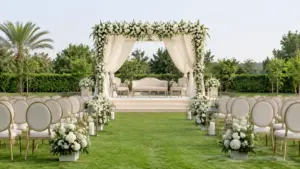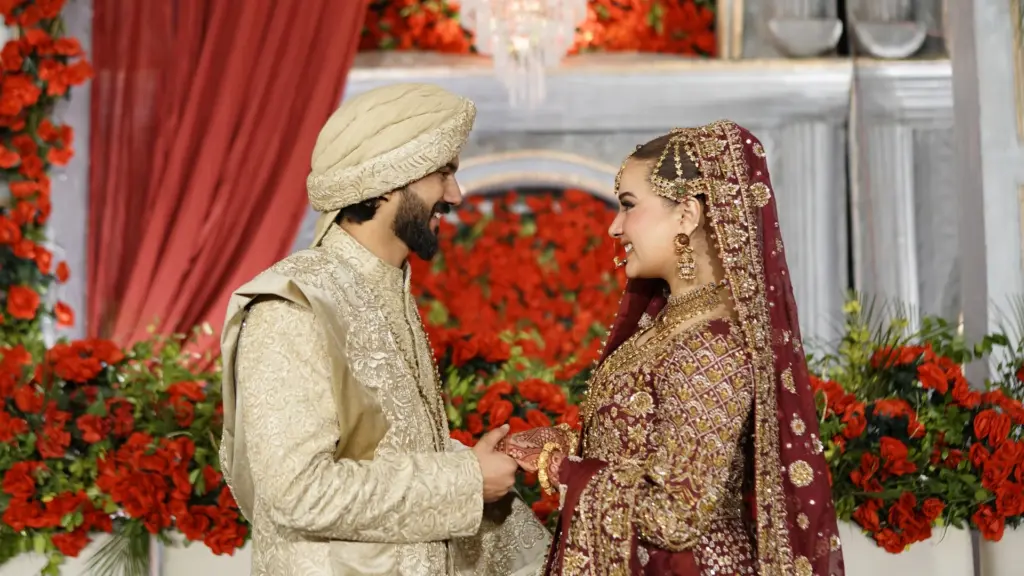

Planning a Pakistani wedding involves several celebrations, family traditions, venue arrangements and service providers. From the first Dholki gathering to the final Walima reception, every function requires attention to detail, proper scheduling and coordination.
A traditional Pakistani wedding may include Dholki, Mayun, Mehndi, Nikah, Barat and Walima. Some families organise all these functions, while others choose a smaller selection according to their preferences, budget and traditions.
Regardless of the wedding style, successful planning starts with understanding the requirements, setting a realistic budget and organising the different services well in advance.
This Pakistani wedding planning checklist explains how couples and families can prepare for each stage, select suitable venues, manage catering and décor, coordinate suppliers and organise their celebrations across Pakistan.
1. Start With Your Wedding Budget and Requirements
The first step in wedding planning is establishing how much you intend to spend and what type of celebration you want.
Wedding expenses can vary considerably depending on the number of functions, guest count, venue, catering, décor, entertainment and production requirements.
Before making bookings, discuss the following:
- Total wedding budget
- Number of wedding functions
- Expected guest count for each function
- Preferred wedding dates
- Venue and location preferences
- Catering requirements
- Décor and stage design
- Photography and videography
- Entertainment arrangements
- Guest transportation and accommodation
It is useful to create a separate budget for each function. A large Barat reception may require a different financial allocation from a smaller Mehndi or family gathering.
Keep a contingency amount for unexpected expenses, additional guests and last-minute changes.
2. Prepare a Wedding Planning Timeline
A wedding timeline helps families manage bookings, approvals and supplier arrangements without leaving everything until the final weeks.
The exact preparation period depends on the scale of the wedding and the availability of venues and suppliers.
A practical planning sequence includes:
Initial planning: Decide the wedding dates, functions, budget and approximate guest count.
Venue arrangements: Shortlist venues, compare facilities and confirm bookings.
Design and services: Finalise décor, catering, photography, entertainment and production requirements.
Guest arrangements: Prepare invitations, guest lists, seating plans and transportation requirements.
Final coordination: Confirm supplier timings, function schedules, payments and responsibilities.
Wedding execution: Supervise setup, manage guest arrangements and coordinate the programme.
Preparing a timeline early makes it easier to identify dependencies, such as finalising the venue before confirming the stage dimensions and production setup.
3. Plan Each Pakistani Wedding Function
Each wedding function has its own purpose, atmosphere and operational requirements. Planning them separately helps families manage the arrangements more effectively.
Dholki
Dholki is often an informal pre-wedding gathering involving music, family celebrations and traditional activities.
Planning considerations include:
- Suitable indoor or outdoor space
- Seating arrangements
- Traditional décor
- Music and entertainment
- Refreshments and catering
- Photography coverage
The arrangements can be simple and family-oriented or developed into a larger themed gathering.
Mayun
Mayun is a traditional pre-wedding function that may include family customs, decorative arrangements and intimate celebrations.
Consider the available space, seating, traditional styling, refreshments and photography requirements when organising this occasion.
Mehndi
Mehndi is one of the most visually distinctive Pakistani wedding celebrations. It often involves colourful décor, floral arrangements, entertainment, music and traditional activities.
Important planning requirements include:
- Stage and seating design
- Floral and decorative installations
- Entrance arrangements
- Lighting and sound systems
- Entertainment and performances
- Catering and refreshments
- Photography and videography
- Guest movement and seating
The stage and décor should reflect the selected theme while allowing sufficient space for the couple, family members and performances.
Nikah
The Nikah ceremony is an important part of the wedding and requires appropriate arrangements for the couple, families and guests.
Planning may include:
- A suitable ceremony space
- Seating arrangements
- Registration and documentation coordination
- Floral and stage décor
- Sound arrangements where required
- Guest hospitality
- Photography coverage
Families should coordinate the legal and religious requirements with the relevant authorised persons rather than treating these as ordinary event-production tasks.
Barat
Barat is often one of the largest wedding celebrations and may involve extensive venue, catering, décor and guest-management arrangements.
Key considerations include:
- Venue capacity and guest seating
- Main stage and entrance design
- Lighting and production
- Food and beverage service
- Guest reception
- VIP and family seating
- Photography and videography
- Programme scheduling
- Parking and transportation
A detailed event schedule helps coordinate the arrival, ceremony, photography and dining arrangements.
Walima
Walima is traditionally organised as a reception following the wedding. Its format may range from a formal banquet to a larger celebration.
Important requirements include:
- Venue and dining arrangements
- Stage and floral décor
- Guest reception
- Catering and service timings
- Seating plans
- Photography
- Sound and lighting
- Event-day coordination
The arrangements should suit the number of guests and the overall style of the occasion.
4. Choose the Right Wedding Venue
Venue selection influences the entire wedding plan. It affects guest capacity, catering arrangements, décor possibilities, parking, accessibility and production requirements.
When comparing venues, consider:
- Maximum guest capacity
- Indoor or outdoor facilities
- Location and accessibility
- Parking availability
- Stage and décor restrictions
- Catering policies
- Power backup
- Guest facilities
- Setup and dismantling timings
- Booking conditions and additional charges
For a multi-function wedding, families should consider whether different functions will take place at one venue or several locations.
A venue that works well for a small Mehndi gathering may not be suitable for a large Barat reception. Compare the requirements of each function before making a final decision.
5. Select a Wedding Theme and Décor Style
Wedding décor helps establish the visual identity of each function.
Pakistani weddings may feature traditional floral designs, colourful Mehndi arrangements, contemporary stage concepts, elegant Nikah settings or formal reception styling.
Before approving the design, discuss:
- Preferred colours and themes
- Stage dimensions
- Floral arrangements
- Entrance styling
- Table settings
- Lighting requirements
- Furniture and seating
- Photography backgrounds
- Installation and removal schedules
The design should work within the venue’s physical limitations and the approved budget.
Request design references or visual proposals before confirming large production installations. This helps the family understand the proposed appearance and scope of work.
6. Plan Wedding Catering and Guest Hospitality
Catering is a major part of many Pakistani wedding celebrations. Menu planning should reflect the function, guest profile, event duration and service style.
Common arrangements include:
- Traditional Pakistani cuisine
- BBQ and live food counters
- Buffet dining
- Formal plated meals
- Desserts and sweet dishes
- Tea and refreshments
- Special dietary arrangements
Before selecting a catering provider, discuss menu options, tasting arrangements, service staff, food presentation, serving equipment and the expected number of guests.
Guest hospitality should also be planned. Consider reception staff, family seating, VIP arrangements, parking guidance and assistance for elderly guests.
For weddings with several functions, maintain separate catering schedules and guest estimates for each occasion.
7. Organise Photography, Videography and Entertainment
Wedding photography and videography help preserve important moments from the celebrations.
The coverage plan should identify the key activities, important family members, ceremony timings and preferred photography style.
Entertainment requirements may include:
- Live music
- Traditional performances
- Wedding hosts or presenters
- DJ arrangements
- Cultural performances
- Family performances
Confirm performance timings, stage requirements, sound checks and any venue restrictions before the function.
The photography and entertainment teams should receive the final event schedule so that they can prepare for the important moments.
8. Coordinate Vendors and Wedding Suppliers
A multi-function wedding may involve several service providers working across different venues and dates.
These may include:
- Venue management
- Décor and floral teams
- Caterers
- Stage and fabrication teams
- Sound and lighting providers
- Photographers and videographers
- Entertainment providers
- Furniture suppliers
- Transportation companies
- Event coordination staff
Create a supplier contact list that identifies the main contact person, responsibilities, delivery time and setup requirements for each service.
A central coordinator can help manage communication and reduce confusion when several suppliers need to work together.
9. Manage Wedding Guest Lists and Transportation
Guest management becomes especially important when a wedding involves multiple functions or large attendance.
Prepare separate guest lists for each occasion and keep the information updated as invitations are confirmed.
Important arrangements include:
- Invitation distribution
- RSVP tracking
- Seating plans
- Family and VIP arrangements
- Parking management
- Transportation requirements
- Venue directions
- Guest reception
For events involving guests travelling from other cities, consider accommodation and transport arrangements in advance.
In major cities such as Karachi, Lahore and Islamabad, travel times and traffic conditions should also be considered when setting the function schedule.
10. Prepare a Function-by-Function Event Schedule
A separate run sheet for every wedding function helps ensure that the different teams understand their responsibilities.
A sample Mehndi schedule might include:
|
Activity |
Example timing |
|
Venue access and setup |
12:00 PM |
|
Décor and stage inspection |
3:00 PM |
|
Sound and lighting checks |
4:00 PM |
|
Guest arrival |
6:00 PM |
|
Main programme |
7:00 PM |
|
Performances and celebrations |
8:00 PM |
|
Dinner service |
9:00 PM |
|
Closing and guest departure |
11:00 PM |
These are illustrative timings only. The final programme should reflect the family’s preferences, venue restrictions and event requirements.
Share the approved schedule with the venue, suppliers, family representatives and event coordination team.
11. Plan Wedding Events Across Pakistan
Wedding planning requirements can differ according to the city, venue, guest profile, and local arrangements.
Karachi
Karachi offers a variety of wedding venues and service providers, with different options across DHA, Clifton, PECHS, Gulshan-e-Iqbal and other areas.
Families should consider venue access, parking, guest travel, catering and production requirements when organising functions in the city.
For local wedding arrangements, explore MARCEM’s wedding event planning services in Karachi.
Lahore
Lahore has a diverse wedding environment, with banquet halls, hotels, marquees and private event spaces.
Venue capacity, décor requirements, catering arrangements, and guest access should be assessed before selecting a location.
Islamabad
Islamabad offers hotel venues, marquees and private event spaces for different wedding formats.
Planning should account for venue availability, guest transportation, outdoor arrangements and the practical requirements of each function.
MARCEM Events coordinates wedding planning services across Karachi, Lahore and Islamabad, with event requirements considered according to the selected location.
12. Why Professional Wedding Planning Makes a Difference
Managing multiple wedding functions independently can involve considerable time and communication.
Professional wedding planning brings different responsibilities together through an organised process.
A wedding management team can assist with:
- Initial consultation and requirement planning
- Budget preparation
- Venue selection and coordination
- Stage design and décor
- Catering and hospitality
- Photography and videography coordination
- Entertainment arrangements
- Vendor communication
- Guest management
- Event-day supervision
Choosing an experienced wedding event planner in Pakistan gives families a central point of coordination for discussing their requirements and arranging the services needed for their celebrations.
13. How MARCEM Events Supports Wedding Planning
MARCEM Events provides wedding planning and event management services for families and couples across Pakistan.
Its wedding-related services include event concept development, venue coordination, stage design, décor, catering arrangements, photography, entertainment, hospitality and event production.
The planning process begins with understanding the family’s preferred functions, budget, expected attendance, location and overall requirements.
The team can then coordinate the services and suppliers needed for each celebration and help manage the arrangements through event-day execution.
Whether you are planning a Mehndi, Nikah, Barat, Walima or a multi-function wedding, the requirements should be discussed and documented before major bookings and supplier commitments are made.
To discuss your upcoming wedding, contact MARCEM Events with your preferred dates, location, guest count and event requirements.
Conclusion
Planning a Pakistani wedding involves more than arranging individual celebrations. It requires coordination between family members, venues, suppliers, catering teams, production providers and guests.
A practical wedding planning checklist helps families manage each function, establish realistic budgets and prepare for the operational details that influence the final event.
From Dholki and Mehndi to Nikah, Barat and Walima, every celebration deserves a clear plan that reflects the family’s traditions and preferences.
For professional support with wedding planning and event management across Pakistan, MARCEM Events can help coordinate the services required for your celebrations.
Frequently Asked Questions
- What are the main functions in a Pakistani wedding?
Common Pakistani wedding functions include Dholki, Mayun, Mehndi, Nikah, Barat and Walima. Families may organise all of them or select the functions that suit their preferences and traditions.
- How early should I start planning a Pakistani wedding?
Start as early as practical, especially when arranging multiple functions or booking popular venues. The preparation period depends on guest numbers, location, event complexity and supplier availability.
- What should be included in a Pakistani wedding budget?
A wedding budget may include venue charges, catering, décor, stage production, photography, entertainment, transportation, accommodation, staffing and contingency expenses.
- How do I choose the right wedding venue?
Compare guest capacity, location, accessibility, parking, facilities, catering policies, production restrictions and booking conditions. The venue should suit the requirements of the specific function.
- What services does a professional wedding planner provide?
Services may include planning, budgeting, venue coordination, décor, catering, stage production, photography, entertainment, guest management, vendor coordination and event-day supervision.
- Can one event planner manage multiple wedding functions?
Yes. An event management company can coordinate multiple functions through a shared planning schedule, supplier coordination and event-day management, subject to the agreed scope of services.
- Can MARCEM Events organise weddings in Karachi, Lahore and Islamabad?
MARCEM Events provides wedding planning and event management services in Karachi, Lahore and Islamabad, with arrangements depending on the location, event requirements and project scope.
- How can I contact MARCEM Events for wedding planning?
Visit the MARCEM Events contact page and share your preferred dates, location, guest count, wedding functions and budget so the team can discuss the appropriate planning requirements.