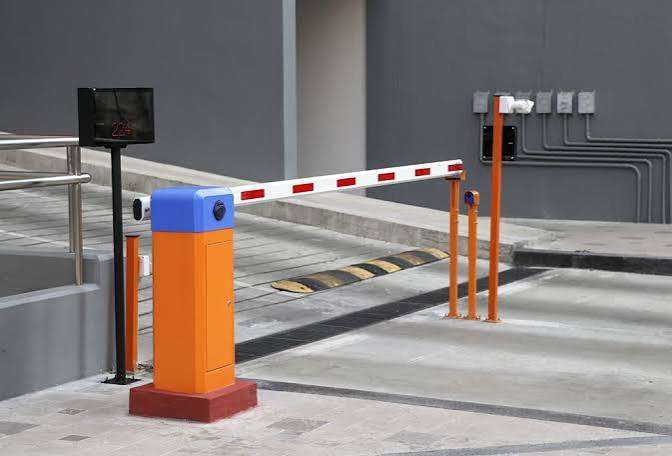

Managing vehicle movement at residential communities, commercial buildings, parking facilities, and industrial properties requires an organized entry system. Uncontrolled vehicle access can create congestion, security concerns, and difficulties for property management teams. Automatic barriers offer a practical solution by controlling vehicle entry and exit through motorized equipment and access authorization technology.
Professional Automatic barrier installation in UAE helps property owners establish organized vehicle access while improving convenience, traffic management, and site security.
What Is an Automatic Barrier System?
An automatic barrier system is a motorized mechanism designed to control vehicle movement through a designated entrance or exit. It commonly uses a horizontal boom arm that rises to allow an authorized vehicle to pass and lowers to restrict access afterward.
The system operates through a control unit connected to the motor and selected access devices. Depending on the installation, users can operate the barrier through remote controls, push buttons, RFID cards, vehicle tags, or automatic number plate recognition cameras.
These systems are suitable for residential compounds, office parking areas, shopping centers, warehouses, hotels, and industrial facilities. Selecting the right equipment requires an understanding of traffic volume, entrance dimensions, operating frequency, and security requirements.
Different Types of Automatic Barriers
Not every entrance requires the same barrier configuration. The available options differ in design, operation, and suitability for particular environments.
Boom Barriers
Boom barriers are commonly used at parking entrances and controlled vehicle lanes. Their horizontal arms lift vertically to allow vehicles to pass, making them suitable for locations where space is available beside the entrance.
Folding Arm Barriers
Folding arm barriers are useful in areas with limited overhead clearance. Their specially designed arms fold during operation, allowing installation in selected covered parking facilities and entrances with height restrictions.
High-Speed Barriers
High-speed models are designed for entrances with frequent vehicle movement. They can reduce waiting times in busy parking facilities, logistics centers, and commercial properties. Their motor capacity and operating cycle should match the expected traffic.
Important Components Required for Installation
A reliable automatic barrier depends on several components working together. Choosing compatible equipment helps maintain consistent operation and reduces the risk of unnecessary interruptions.
The main components include:
- Motor and boom arm: The motor controls the movement of the barrier, while the arm physically regulates vehicle passage.
- Control panel: It processes commands from remote controls, access readers, and other connected devices.
- Safety sensors: Photocells and compatible detection devices help identify obstructions and support safer barrier operation.
- Access devices: RFID readers, remote controls, keypads, and ANPR cameras can authorize vehicle entry.
- Power supply: Electrical connections and suitable backup arrangements support the operation of the system.
The exact configuration depends on the entrance design, selected barrier model, and operational requirements.
The Installation Process for Automatic Barriers
Installing an automatic barrier involves more than fixing a motor and attaching an arm. Proper preparation and technical configuration are necessary to achieve reliable performance.
Site Inspection and Entrance Assessment
The first step is evaluating the installation location. Technicians need to check lane width, available mounting space, ground conditions, electrical supply, and vehicle movement patterns.
This assessment helps determine the appropriate boom length, motor capacity, and mounting position. It also identifies whether additional civil work or underground cabling is required.
Foundation and Equipment Mounting
Once the equipment is selected, the installation area is prepared according to the manufacturer’s requirements. A suitable foundation provides stable support for the barrier housing and helps maintain proper alignment during operation.
The motor unit is secured in position, and the boom arm is fitted and balanced according to the equipment specifications.
Electrical Connections and System Configuration
The next stage involves connecting the control panel, power supply, operating switches, and compatible access devices. Safety sensors and vehicle detection equipment are also connected where required.
Technicians configure opening and closing limits, operating speeds, access permissions, and other available functions according to the project design.
Testing and Final Inspection
Before handover, the complete system should be tested under normal operating conditions. This includes checking remote controls, access readers, sensor responses, opening and closing movements, and emergency manual release.
Testing helps confirm that the equipment operates correctly and that important safety functions respond as intended.
Integration with RFID and Number Plate Recognition
Modern automatic barriers can be connected to different access management technologies. This allows property administrators to control vehicle entry without depending entirely on manual operation.
RFID systems use electronic tags or cards to identify authorized vehicles. A compatible reader detects the credential and sends an opening command to the barrier controller.
Automatic number plate recognition uses cameras and software to identify registered vehicle plates. Once a plate is recognized and approved, the connected system can authorize entry.
These technologies are particularly useful in residential communities, office buildings, and commercial parking facilities where regular users require convenient access. Integration with CCTV and centralized access control can also help administrators manage entry records.
Safety and Maintenance Requirements
Safety should remain a priority throughout installation and daily operation. A moving barrier arm can create hazards if its sensors, closing settings, or control functions are incorrectly configured.
Suitable photocells, vehicle detection loops, warning lights, and other manufacturer-supported safety devices can help reduce the risk of contact with vehicles or pedestrians. Their selection and placement should reflect the entrance layout and operating conditions.
Regular maintenance is equally important. The motor, arm balance, mechanical connections, control panel, wiring, and safety sensors should be inspected periodically. Dust, heat, frequent operation, and environmental exposure can affect equipment performance over time.
Property managers should also ensure that authorized staff understand normal operation and emergency manual release procedures.
Why Choose Jesr Al Fasht Security Devices Fix?
Choosing the right security provider can make a significant difference in the performance of an automatic vehicle entry system. Jesr Al Fasht Security Devices Fix recognizes the importance of selecting suitable barrier equipment according to the property’s entrance layout, traffic requirements, and security objectives.
A properly planned project considers boom length, motor capacity, access control integration, electrical connections, and safety features. Whether the installation is intended for a residential compound, commercial parking area, or industrial entrance, careful configuration and testing help support dependable operation.
Professional installation and regular maintenance can also help property owners manage equipment performance and address potential issues before they interrupt daily access.
Conclusion
Automatic barriers provide an effective way to manage vehicle movement and restrict unauthorized entry at residential, commercial, and industrial properties. With suitable boom mechanisms, access control devices, detection sensors, and reliable electrical connections, property owners can create a more organized entrance system. Proper site assessment, professional installation, safety testing, and routine maintenance are essential for long-term performance. Investing in Automatic barrier installation in UAE can help improve vehicle access management while supporting the security requirements of modern properties.
Frequently Asked Questions
1. Where are automatic barriers commonly installed?
They are commonly installed at residential compounds, office buildings, shopping centers, hotels, warehouses, and controlled parking facilities.
2. Can automatic barriers operate with RFID cards?
Yes. Compatible barrier controllers can connect with RFID readers to allow registered vehicles to enter using authorized cards or electronic tags.
3. What safety devices are used with automatic barriers?
Depending on the installation, safety equipment may include photocells, vehicle detection loops, warning lights, and other compatible obstruction detection devices.
4. How can I maintain an automatic barrier system?
Regular inspections should cover the motor, boom arm, electrical connections, control panel, and safety sensors. Functional testing and timely servicing help maintain reliable operation.