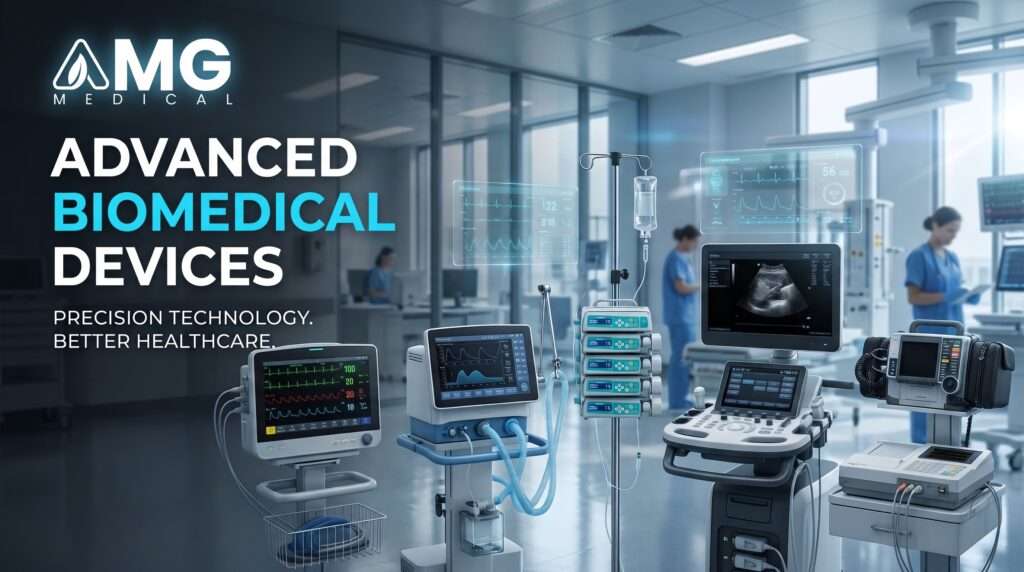

Biomedical devices have become an important part of modern healthcare. They help doctors, nurses, and other medical professionals examine patients, monitor health conditions, and provide suitable treatment. From simple blood pressure monitors to advanced hospital machines, these devices support many medical tasks and improve the way healthcare services are delivered.
Hospitals, clinics, laboratories, and emergency centers use different types of equipment to meet patient needs. These devices provide useful health information and help medical teams make better decisions. They also work alongside Surgical Instruments and other medical tools to support safe and organized medical procedures.
The advantages of biomedical devices include better patient monitoring, support for early diagnosis, improved treatment, and more organized healthcare services. Their value depends on choosing suitable equipment and using it correctly.
Supporting Accurate Diagnosis
One of the main advantages of biomedical devices is their role in medical diagnosis. These devices help doctors examine patients and collect information about different body functions.
For example, an ECG machine records the electrical activity of the heart, while an ultrasound machine creates images of internal body structures. Blood pressure monitors measure blood pressure, and other testing devices help assess different health conditions.
The information from these devices supports doctors when they review symptoms and plan further tests or treatment. Accurate readings can be useful, but they must always be checked and understood by trained healthcare professionals.
Improving Patient Monitoring
Biomedical devices make it easier for healthcare workers to observe a patient’s condition. Monitoring equipment can display important measurements such as heart rate, blood pressure, oxygen levels, and breathing rate.
A pulse oximeter measures oxygen saturation and pulse rate, while bedside patient monitors can show several readings at the same time. These tools are commonly used in intensive care units, emergency rooms, and recovery areas.
Regular monitoring helps medical staff notice changes in a patient’s condition. It can also support timely medical decisions when readings suggest that further assessment is needed.
Supporting Better Treatment
Another advantage of these devices is their role in patient treatment. Different types of equipment help medical professionals provide care based on the patient’s needs.
Infusion pumps are used to deliver fluids and medicines at controlled rates. Oxygen delivery systems help patients who need extra oxygen, while ventilators support breathing when a patient cannot breathe well enough without assistance.
These devices allow healthcare teams to provide different forms of treatment in a controlled way. However, they must be operated by trained staff and used according to medical instructions.
Helping Improve Patient Safety
Patient safety is a key concern in every healthcare facility. Biomedical devices can support safer care by helping staff monitor health conditions and use treatment equipment correctly.
Some monitoring systems provide alerts when readings move outside set limits. This can help healthcare workers identify possible changes and assess whether action is required.
Equipment checks are also important. Regular inspection, testing, and maintenance can help reduce the risk of device failure. Medical staff must still use their training and judgment when reviewing readings and making care decisions.
Saving Time in Healthcare Settings
Suitable biomedical devices can help healthcare professionals complete medical tasks in a more organized way. Digital monitors, testing machines, and other systems can provide information without requiring every measurement to be taken manually.
For example, a bedside monitor can display several patient readings on one screen. This allows staff to review important information in one place instead of using separate tools for every measurement.
Although devices do not remove the need for staff attention, they can support daily work and help healthcare teams manage their responsibilities more efficiently.
Supporting Emergency Medical Care
Emergency departments need equipment that helps staff assess patients quickly. Biomedical devices support this work by providing information about vital signs and helping medical teams respond to urgent needs.
Portable monitors, defibrillators, oxygen systems, and other emergency devices are used for different purposes. Their availability can help staff provide care when patients need immediate attention.
These devices must be ready for use at all times. Regular checks, proper storage, and staff training help ensure that emergency equipment is available and works as expected.
Improving Surgical Care
Biomedical devices also play an important role in operating rooms. They help medical teams monitor patients and support different parts of a surgical procedure.
Patient monitors display vital signs during surgery, while anesthesia machines support the delivery of anesthesia and breathing care. Other devices may be used to provide fluids or support the surgical environment.
Surgical Instruments have a separate but related role. They are used by surgeons for tasks such as cutting, holding, and stitching tissue. Surgical equipment includes larger devices and systems that support the procedure. Both are important for preparing and managing an operating room.
Supporting Intensive Care
Intensive care units treat patients who need close observation and advanced medical support. Biomedical devices are especially useful in these areas because patients may have serious health conditions.
Patient monitors help staff follow vital signs, ventilators support breathing when needed, and infusion pumps deliver fluids or medicines at controlled rates.
These devices provide information that helps medical teams follow a patient’s condition. Their readings must be reviewed by trained professionals, who make decisions based on the patient’s overall health and treatment plan.
Supporting Medical Research and Innovation
Biomedical devices also help support medical research and new healthcare methods. Testing machines, monitoring systems, and imaging tools allow researchers to collect information and study different health conditions.
As technology develops, new devices may offer improved ways to examine patients and manage medical information. Digital systems can also help healthcare facilities organize records and share information when suitable systems are in place.
This progress supports the development of healthcare services. However, new devices must be tested, approved where required, and used by trained professionals.
Easy Access to Health Information
Many modern devices display health measurements in a clear digital format. This can help medical staff review patient information and compare readings over time.
Some systems can store measurements and connect with hospital information systems. This may help staff keep records organized and follow changes in a patient’s condition.
The usefulness of digital information depends on correct data entry, suitable software, and proper access controls. Healthcare facilities must protect patient information and follow their privacy rules.
Importance of Maintenance and Durability
Regular maintenance is necessary to keep biomedical devices working correctly. Cleaning, inspection, testing, and calibration help maintain equipment performance.
Qualified biomedical technicians can check devices, identify faults, and arrange repairs. Healthcare facilities should follow the manufacturer’s instructions and maintain records of service work.
Quality equipment that receives proper care can remain useful for a long time. Regular maintenance can also help reduce unexpected problems and support reliable healthcare services.
Choosing the Right Biomedical Devices
Healthcare facilities should select devices according to their services, patient needs, and available resources. Important factors include product quality, safety features, ease of use, technical support, and maintenance requirements.
Buyers should also check whether replacement parts and trained service support are available. A reliable supplier can provide product details and help healthcare providers understand the features of different devices.
Choosing suitable equipment can support daily medical work and help facilities plan for long-term needs.
Conclusion
Biomedical devices offer many advantages in modern healthcare. They support accurate diagnosis, patient monitoring, treatment, emergency care, and surgical procedures. They can also help medical teams organize their work and access useful health information.
Their benefits depend on correct selection, trained operation, regular testing, and proper maintenance. Along with Surgical Instruments and Surgical equipment, these devices form an important part of modern medical services. When used responsibly, they help healthcare professionals provide organized care and support patient safety.
More Info: Amg Medical