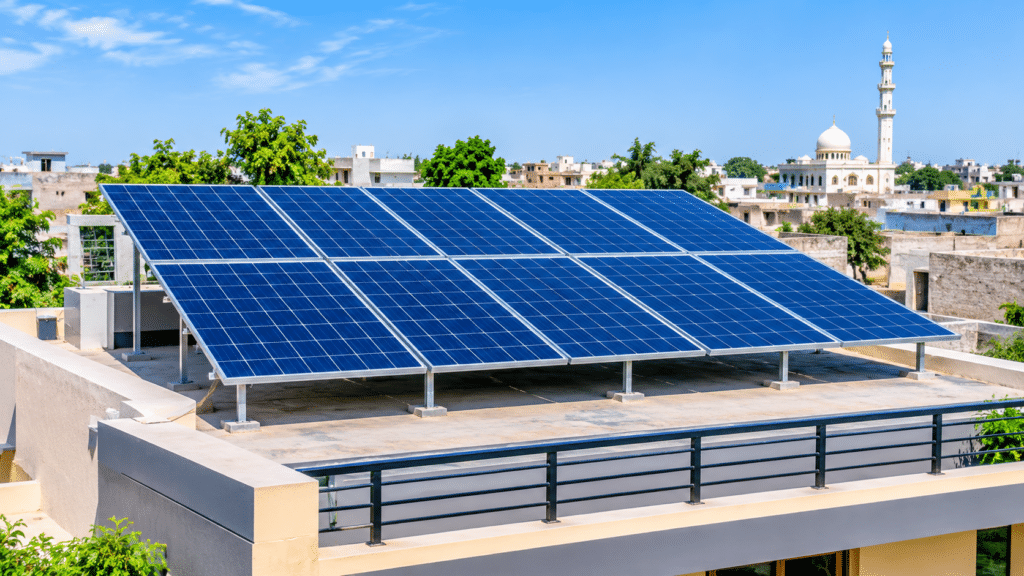

Choosing a solar system for your home is an important decision. Before investing in solar panels, homeowners need to understand their electricity consumption, appliance requirements, available rooftop space, and backup expectations. A system that works well for one household may not be suitable for another, even if both properties have similar sizes.
A 5kW solar setup is one option homeowners may consider when planning to reduce their dependence on grid electricity. However, the right system capacity depends on how much electricity a household uses and when that electricity is needed.
For homeowners researching a 5kW solar system in Gujranwala, understanding the system’s capacity, components, and installation requirements can make the selection process easier.
1. What Does a 5kW Solar System Actually Mean?
A 5kW solar system refers to a solar installation with a combined rated capacity of approximately 5,000 watts. This rating describes the system’s nominal power capacity under specified testing conditions.
It does not mean that the system will continuously produce 5,000 watts throughout the day. Actual electricity generation changes according to sunlight, weather, panel orientation, shading, temperature, equipment efficiency, and installation conditions.
For example, a rooftop installation may generate different amounts of electricity during clear summer days and cloudy winter conditions. The daily output also changes with the number of effective sunlight hours.
This is why homeowners should request an estimated energy-generation assessment rather than relying only on the system’s advertised capacity.
2. Which Household Appliances Can a 5kW System Support?
The appliances a solar system can operate depend on their power requirements and the inverter configuration.
A household may use solar electricity for several everyday appliances, including:
-
LED lights
-
Ceiling fans
-
Refrigerators
-
Televisions
-
Internet routers
-
Computers and laptops
-
Water pumps
-
Selected air-conditioning units
However, operating multiple high-power appliances simultaneously requires careful planning. Air conditioners, electric heaters, irons, and water pumps can create substantial electrical loads.
Homeowners should prepare an appliance list before requesting a quotation. Include each appliance’s approximate wattage, operating hours, and expected usage period.
The installer can then calculate the expected load and determine whether a 5kW inverter and the proposed panel arrangement are suitable.
3. How Many Solar Panels Are Needed for a 5kW Setup?
The number of panels depends on the wattage of the selected modules.
For example, a system using 500-watt panels would require approximately ten panels to reach a combined rated capacity of 5kW. Using panels with a different wattage would change the required quantity.
Panel selection should not be based on wattage alone. Homeowners should also compare:
-
Manufacturer specifications
-
Product and performance warranties
-
Module efficiency
-
Physical dimensions
-
Temperature performance
-
Product availability and after-sales support
The available rooftop area is equally important. Before finalizing a panel layout, an installer should inspect the roof for shading, obstacles, structural limitations, and suitable mounting positions.
4. Should You Choose an On-Grid or Hybrid Solar System?
A 5kW solar installation can be configured in different ways. The appropriate option depends on the property’s electricity connection and backup requirements.
On-Grid System
An on-grid system works alongside the electricity distribution network. Solar electricity can supply household loads when generation is available, while the grid can provide electricity when required.
Standard grid-connected inverters generally shut down during a grid outage for safety unless an appropriate backup arrangement is installed.
Hybrid System
A hybrid system combines solar generation, grid connectivity, and battery storage. Depending on its configuration, it can store excess solar electricity and provide backup power to selected loads.
This option may suit households that experience interruptions in grid supply and want battery-supported electricity.
Which Option Is More Suitable?
The decision should depend on how frequently backup is needed, the household’s daytime electricity usage, battery budget, and applicable electricity connection requirements.
Ask the installer to explain the advantages and limitations of each configuration before selecting equipment.
5. Do You Need Batteries With a 5kW Solar System?
Battery storage is not necessary for every solar installation. The requirement depends on whether the household needs electricity during grid outages or after sunlight becomes unavailable.
A household primarily interested in using solar electricity during daylight hours may consider a grid-connected arrangement without battery storage, subject to applicable requirements.
A family that needs backup may prefer a compatible hybrid inverter and battery system.
Before purchasing batteries, consider:
-
Which appliances need backup?
-
How many hours of backup are required?
-
What is the combined load of those appliances?
-
What battery capacity is appropriate?
-
Is the battery compatible with the inverter?
-
What warranty and maintenance support are available?
Remember that battery capacity and inverter power are different specifications. Both should be checked to ensure the system can support the intended backup loads.
6. What Affects the Cost of a 5kW Solar Installation?
The total cost of a solar installation is not determined by panel capacity alone. Two systems with the same nominal capacity may have different prices because of their components and installation requirements.
Important cost factors include:
-
Solar panels: Brand, wattage, specifications, and warranty can affect the equipment cost.
-
Inverter: Model, configuration, capacity, and battery compatibility influence the overall quotation.
-
Battery storage: Adding batteries increases the equipment requirements and total investment.
-
Mounting structure: Roof type, structure design, and installation materials affect the work involved.
-
Electrical protection: Wiring, breakers, earthing, and protection equipment must be included in the system design.
-
Installation work: Rooftop access, cable routes, and site conditions can change labour requirements.
Homeowners should compare written quotations with the same equipment specifications. A lower quotation may exclude important components or provide different warranty terms.
Instead of choosing an installer based only on the lowest price, check the equipment list, installation scope, safety arrangements, and after-sales support.
7. What Should Gujranwala Homeowners Check Before Installation?
Local rooftop conditions and household electricity habits should guide the final system design.
Before approving an installation, homeowners should consider the following points:
Rooftop shading: Nearby buildings, trees, water tanks, and boundary walls can reduce the sunlight reaching solar panels.
Roof condition: The structure should be suitable for supporting the proposed mounting arrangement.
Panel direction and layout: The installer should assess the available roof area and plan a layout that avoids unnecessary shading.
Electrical requirements: Wiring, grounding, circuit protection, and inverter placement should follow appropriate technical and safety requirements.
Local weather: Dust, rain, high temperatures, and wind exposure should be considered when selecting mounting materials and planning maintenance.
Applicable regulations: If the system will connect to the electricity network or export electricity, check the latest requirements of the relevant distribution company and regulatory authorities before installation. Homeowners can consult the official NEPRA regulatory documents for applicable rules and notifications.
A proper site inspection is more useful than choosing a system based on a general estimate alone.
8. How to Select a Reliable Solar Installation Provider
Choosing an installation provider is just as important as selecting the panels and inverter. A technically suitable system can still experience problems if the installation is poorly planned or important protection components are overlooked.
Before making a decision, ask the provider for a detailed equipment list, system design, estimated generation, installation scope, and warranty information.
You can also compare customer feedback and ask how technical support is handled after installation.
Homeowners comparing the 5kW solar system in Gujranwala options offered by local providers should evaluate the complete proposal rather than relying on advertised capacity alone.
For additional information about solar panels, system options, and installation services, visit Sparkle Energy.
Final Thoughts
A 5kW solar installation can be worth considering for households whose electricity requirements match the system’s capacity. However, the right configuration depends on appliance usage, rooftop conditions, inverter selection, battery requirements, and the property’s connection to the electricity network.
Before making an investment, review your electricity bills, prepare an appliance list, compare equipment specifications, and arrange a proper rooftop assessment.
A carefully planned installation helps homeowners make informed decisions and select a solar setup that matches their actual household requirements.