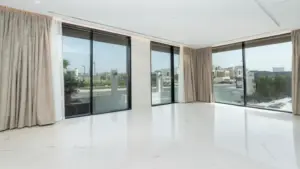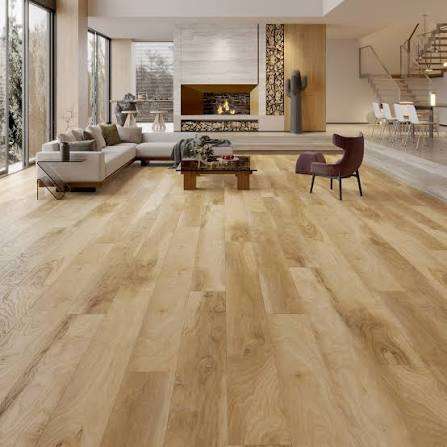

Flooring plays a major role in the appearance, comfort and functionality of any property. Whether you are renovating an apartment, designing a villa or upgrading a commercial space, the right floor can completely change how an interior looks and feels. In Dubai, where properties feature a wide range of architectural styles and interior designs, choosing suitable flooring dubai involves balancing appearance, durability, maintenance and budget.
There are many materials available, including natural wood, laminate, vinyl, stone plastic composite (SPC), luxury vinyl tile (LVT), rubber and parquet. Each option has different characteristics, making some materials more suitable for bedrooms and living rooms while others perform better in busy commercial environments or areas exposed to moisture.
At first, these choices might seem similar, especially when several products offer realistic wood or stone finishes. However, their construction, installation requirements and long-term performance can be quite different. Understanding these differences makes it easier to choose a floor that complements your property and meets your everyday requirements.
Why Choosing the Right Flooring Matters in Dubai
Dubai properties include modern apartments, spacious villas, retail outlets, offices and hospitality spaces. Each environment has different flooring requirements. A family home may need a comfortable surface that can handle everyday activity, while a commercial property may require a material that withstands frequent foot traffic and regular cleaning. A bedroom might benefit from the warmth of a wood-inspired floor, whereas a kitchen needs a surface that can cope with occasional spills and frequent use.
The local environment also deserves attention. Outdoor temperatures, indoor air conditioning, humidity, sunlight through large windows and fine sand can all influence flooring performance. A material that performs well in a mild climate may need additional care when installed in a property exposed to strong sunlight or changing indoor conditions. This is why choosing flooring in Dubai should involve more than selecting a colour from a sample catalogue.
The right material can also influence the overall design of a room. Light-coloured floors can make smaller interiors appear more open, while darker finishes can create a sophisticated atmosphere. Natural textures add warmth, and patterned designs can introduce visual interest without requiring extensive decorative elements. When flooring works well with the walls, furniture, lighting and interior layout, it creates a more balanced and attractive space.
Popular Flooring Options in Dubai
The flooring market offers a wide selection of materials, designs and finishes. Some homeowners prefer the natural appearance of timber, while others prioritise water resistance, affordability or simple maintenance. The following options are worth considering when planning a residential or commercial flooring project.
Wooden Flooring Dubai
Wooden flooring in Dubai is a popular choice for interiors where natural appearance and warmth are important. Real wood introduces texture and character that can complement contemporary, traditional and minimalist designs. Its natural grain patterns make every section visually distinctive, helping create an inviting atmosphere in bedrooms, living rooms, private offices and selected commercial interiors.
Different wood species and finishes provide different appearances. Oak is appreciated for its versatile grain and range of colours, while walnut offers deeper tones that suit sophisticated interiors. Lighter wood finishes can complement neutral furniture and bright spaces, whereas darker shades create contrast against pale walls. The final appearance also depends on plank width, surface texture, protective coating and installation pattern.
It is important to distinguish between solid hardwood and engineered wood flooring. Solid hardwood is made from a single piece of timber, while engineered wood combines a real wood surface layer with a more stable supporting structure. Engineered wood can be a practical alternative where changes in temperature and humidity are a concern, although product specifications and installation conditions still matter. Solid wood and engineered wood should not automatically be treated as suitable for every room.
Maintenance is another consideration. Wood floors generally benefit from dry or carefully controlled cleaning rather than excessive water. Furniture pads can help reduce scratches, and suitable protective finishes can make everyday care easier. If you want the authentic appearance of timber, wooden flooring can be an excellent investment when the product is selected and installed correctly.
Laminate Flooring Dubai
Laminate flooring Dubai offers the appearance of natural wood at a generally more accessible price point. It is manufactured using several layers, usually including a protective surface, a decorative image layer and a dense fibreboard core. Modern printing technology allows laminate products to reproduce the appearance of oak, walnut, stone and other decorative finishes with convincing detail.
One of the main advantages of laminate is its design variety. Homeowners can choose from light oak, warm brown, grey, beige and darker wood-inspired finishes. Different plank sizes and surface textures also make it possible to create anything from a simple contemporary interior to a more traditional appearance. This flexibility makes laminate suitable for bedrooms, living rooms, studies and selected office environments.
Laminate is also relatively straightforward to maintain. Regular sweeping or vacuuming removes loose dust and sand, while a slightly damp mop can be used according to the manufacturer’s cleaning instructions. Its protective surface helps resist everyday wear, although the actual level of scratch and impact resistance depends on the product’s construction and rating.
Water exposure requires particular attention. Traditional laminate has a wood-based core that can swell if moisture enters through joints or damaged edges. Some modern products offer improved water resistance, but this does not mean every laminate floor is waterproof. For kitchens, bathrooms and other moisture-prone areas, check the manufacturer’s specifications carefully before choosing this material.
Vinyl Flooring Dubai
Vinyl flooring in Dubai is available in different formats, including sheets, planks and tiles. It is made using synthetic materials and can reproduce the appearance of wood, stone and decorative patterns. Its versatility makes it suitable for many residential and commercial applications where buyers want a practical surface with a wide selection of designs.
One reason people consider vinyl is its comfort underfoot. Depending on the product and installation method, vinyl can feel softer and quieter than some hard flooring materials. It is also available in a variety of thicknesses, colours and textures, allowing property owners to select a finish that works with their interior design.
Vinyl surfaces are generally easy to clean and can handle everyday spills when installed and maintained according to the manufacturer’s instructions. However, water resistance varies between products and installation systems. Even when the vinyl itself does not absorb water, moisture may enter through seams, edges or poorly sealed areas and affect the underlying surface.
The condition of the subfloor is particularly important. Flexible vinyl can show imperfections beneath it, including uneven areas, old adhesive marks and visible grout lines. Proper preparation helps produce a smoother finish and reduces the risk of problems after installation. For busy areas, compare wear-layer thickness, surface protection and the manufacturer’s recommendations before selecting a product.
SPC Flooring Dubai
SPC flooring in Dubai is a type of rigid-core vinyl flooring. SPC stands for stone plastic composite, although the core is commonly described as a stone-polymer or stone-plastic composite. It combines a dense core with a decorative layer and a protective wear surface. This construction gives the product a firm feel and makes it a popular option for people looking for a modern wood or stone appearance.
One of its main advantages is the rigid core. Compared with flexible vinyl, SPC generally maintains its shape more effectively when installed over a suitable, properly prepared surface. Many products use a click-lock system, which can make installation relatively efficient. Some can be installed over existing hard flooring when the original surface is stable, sufficiently flat and compatible with the manufacturer’s requirements.
SPC is often selected for apartments, living rooms, bedrooms, offices and other areas where moisture resistance and easy cleaning are priorities. The planks themselves are generally waterproof, but this should not be confused with a completely waterproof floor assembly. Water can still reach the subfloor through joints, edges or installation gaps, particularly if the floor is flooded or exposed to a leak.
There are also differences between SPC products. Thickness, wear-layer specification, surface texture, attached underlay and locking-system quality can affect performance. A thicker product is not automatically better in every situation, so it is worth reviewing the full technical specification rather than making a decision based on thickness alone. For properties exposed to strong direct sunlight, follow the manufacturer’s guidance on temperature limits and expansion gaps.
LVT Flooring Dubai
LVT flooring in Dubai, short for luxury vinyl tile, is designed to reproduce the appearance of natural materials while offering the practical characteristics of vinyl. It is available in both tile and plank formats, with designs that imitate timber, marble, stone and decorative surfaces. Its realistic patterns make it an attractive option for interiors that need a refined appearance without using natural materials.
LVT is available in different construction types, including glue-down and click systems. Glue-down LVT is fixed to a prepared subfloor using a suitable adhesive. This creates a relatively low-profile finish, which can be helpful where door clearances or floor-height transitions are important. Click LVT uses a locking mechanism and may be installed as a floating floor, depending on the manufacturer’s system.
The flexibility of LVT can provide a comfortable surface underfoot, but it also means that subfloor preparation is essential. Uneven areas, visible tile joints and imperfections may become noticeable after installation. A professional installer may need to smooth or level the base before laying the product, particularly when using a thinner glue-down system.
LVT is suitable for many residential and commercial spaces, but product selection should reflect the intended use. Consider the wear layer, adhesive requirements, expected foot traffic, sunlight exposure and cleaning instructions. A well-specified product with a properly prepared base can provide an attractive and practical finish for many interiors.
Rubber Flooring Dubai
Rubber flooring in Dubai is valued for its resilience, grip and impact-absorbing characteristics. Unlike decorative wood-look flooring, rubber is generally selected for performance-focused environments. It is commonly considered for gyms, fitness studios, play areas, training rooms and certain commercial or industrial settings where comfort and durability are important.
Rubber flooring is available in tiles, rolls and interlocking formats. These products come in different thicknesses, colours and surface textures. Thicker options may provide greater cushioning for activities involving weights or repeated impact, while thinner formats may suit areas with lighter use. The correct specification depends on the type of activity, equipment and condition of the supporting floor.
Another advantage is its ability to help reduce noise and absorb some impact. This can be useful in fitness environments where equipment movement and dropped weights may disturb other occupants. Textured rubber surfaces can also offer grip, although the actual slip performance depends on the product and the conditions in which it is used.
Cleaning requirements vary according to the rubber formulation and finish. Regular removal of dust and dirt helps maintain the surface, while approved cleaning products should be used to avoid damaging it. Before installation, check whether the product is suitable for the intended indoor environment, as some rubber materials may have an initial odour or specific ventilation requirements.
Parquet Flooring Dubai
Parquet flooring in Dubai is recognised for its decorative patterns and distinctive geometric appearance. Rather than arranging every plank in the same direction, parquet uses smaller pieces of wood or wood-effect material to form patterns such as herringbone, chevron and basket weave. These designs can add character to living rooms, reception areas, bedrooms and premium commercial interiors.
Herringbone is one of the most recognisable parquet patterns. Individual pieces are arranged at right angles to create a repeated zigzag effect. Chevron flooring uses angled plank ends that meet to form a continuous V-shaped pattern. Both styles can create an elegant appearance, although the final effect depends on plank dimensions, colour, room proportions and installation accuracy.
Parquet is available in different materials, including solid wood, engineered wood and wood-look alternatives. Natural timber provides authentic grain and texture, while engineered products can offer greater dimensional stability than solid wood in certain conditions. Some vinyl and laminate products also reproduce parquet patterns, giving buyers more options at different price levels.
Installation needs careful planning because the pattern must remain consistent across the floor. Subfloor preparation, alignment and accurate cutting are especially important. When natural wood is used, temperature and humidity conditions should also be considered. With the right material and installation method, parquet can become a distinctive feature of the overall interior design.
Comparing Different Flooring Materials
Choosing between flooring materials becomes easier when their main characteristics are compared. No single option is ideal for every property because each has different strengths, limitations and installation requirements. The table below provides a general overview, but the performance of individual products depends on their specifications and the quality of installation.
| Flooring type | Main advantage | Main consideration | Common applications |
|---|---|---|---|
| Wooden flooring | Authentic natural appearance | Needs protection from moisture and scratches | Bedrooms, living rooms and studies |
| Laminate flooring | Wood-inspired designs at accessible prices | Traditional products can swell when exposed to water | Bedrooms, living rooms and offices |
| Vinyl flooring | Versatile designs and easy cleaning | Performance varies by product and format | Homes, offices and selected commercial spaces |
| SPC flooring | Rigid core and moisture-resistant planks | Requires suitable expansion gaps and subfloor preparation | Apartments, villas and offices |
| LVT flooring | Realistic finishes and different installation formats | Flexible products need a smooth base | Residential and commercial interiors |
| Rubber flooring | Cushioning, grip and impact absorption | Appearance and suitability depend on the application | Gyms, play areas and training spaces |
| Parquet flooring | Decorative patterns and premium appearance | Pattern installation requires accuracy | Living rooms, bedrooms and reception areas |
When comparing products, look beyond the display sample. Ask about wear-layer specifications, core construction, warranty conditions, cleaning requirements and installation recommendations. Two floors may look almost identical but perform differently because their materials and manufacturing standards are not the same.
Best Flooring for Apartments, Villas and Offices
The best flooring depends partly on the type of property and how each room is used. Apartments often have limited space, shared building structures and specific requirements for noise control. A suitable floor should complement the interior while meeting any building-management requirements relating to renovation work, underlay or installation. SPC, LVT and laminate are among the options worth comparing for suitable apartment areas.
Villas offer more flexibility in design because they may include larger living areas, multiple bedrooms, private studies and outdoor spaces. Wooden flooring and parquet can create a warm, premium appearance in selected rooms, while SPC and vinyl may suit areas where practical maintenance is a priority. Kitchens and bathrooms require more careful material selection because moisture exposure is more common in these spaces.
Offices and commercial properties usually need flooring that can handle regular foot traffic. The right choice depends on the type of business, number of occupants, furniture movement and cleaning schedule. LVT and vinyl can provide a professional appearance, while rubber may be suitable for gyms or activity-based spaces. In reception areas, design may be just as important as durability, so the material should reflect the identity and atmosphere of the business.
It is useful to divide a property into different functional zones rather than selecting one material for every room. For example, a villa might use wood-inspired flooring in bedrooms, a durable surface in the living area and rubber in a home gym. This approach allows each space to meet its own practical requirements while maintaining a coordinated overall design.
How Dubai’s Climate Affects Flooring Choices
Dubai’s climate is an important consideration when selecting flooring. High outdoor temperatures, humidity, direct sunlight and continuous air conditioning can create different conditions inside a property. Materials respond differently to these changes, so the suitability of a floor depends on its construction, installation method and the environment in which it will be used.
Wood-based flooring can expand or contract as moisture levels change. If the product is installed without allowing for the manufacturer’s required expansion space, movement may lead to gaps, lifting or other problems. Engineered wood can offer improved dimensional stability compared with solid wood, but it still needs appropriate environmental conditions and installation.
Sunlight is another factor. Large windows and glass doors can expose flooring to direct UV radiation and elevated surface temperatures. Some decorative surfaces may fade or change colour over time, while certain products may experience movement if their temperature limits are exceeded. Window coverings, suitable product selection and correct installation can help reduce these risks.
Sand and dust also deserve attention. Fine particles brought indoors can act like an abrasive when walked across the floor. Regular sweeping, vacuuming and entrance mats can reduce the amount of grit that reaches the surface. For products installed in Dubai, always review the manufacturer’s guidance for indoor temperature, humidity, direct sunlight and cleaning.
Flooring Colours, Patterns and Modern Design Trends
Flooring is a major design element, and colour selection can influence the atmosphere of an entire room. Warm oak, beige, honey, walnut and natural brown shades are useful choices for creating inviting interiors. These colours work well with neutral furniture, natural fabrics and contemporary decorative details. Lighter finishes can also help smaller rooms feel more open and visually connected.
Wide planks are another option for creating a clean, spacious appearance. Their longer proportions can reduce the number of visible joints and suit open-plan living areas. However, plank dimensions should be selected according to room size and layout. A format that looks balanced in a large villa may feel too dominant in a compact bedroom.
Herringbone and chevron patterns can add a decorative feature without requiring elaborate wall finishes. They work particularly well when the rest of the interior uses relatively simple colours and furniture. Stone-inspired vinyl and LVT designs can also create a refined appearance, while textured surfaces may offer a more natural visual effect than highly glossy finishes.
Trends can provide inspiration, but practical requirements should always come first. A floor should complement the property and remain suitable for everyday use after the initial excitement of a renovation has passed. Choose a finish that works with your furniture, lighting, wall colours and maintenance expectations rather than selecting a design simply because it is fashionable.
Important Factors to Consider Before Buying Flooring
Before purchasing flooring, consider how the room will be used. A bedroom may need a comfortable and quiet surface, while a hallway or commercial entrance will experience more frequent movement. If children or pets use the space, scratch resistance, cleaning requirements and surface texture may become more important. The intended use should guide the material selection.
Budget is another important factor, but the purchase price is only one part of the total cost. You may also need to account for underlay, adhesive, floor preparation, skirting, trims, removal of existing flooring and installation labour. A product with a lower initial price may require additional preparation or maintenance, so compare the complete project cost rather than the material price alone.
Check the technical specifications before making a final decision. Important details include product thickness, wear-layer rating, core material, water-resistance claims, fire-performance information where relevant, warranty terms and approved installation methods. For commercial environments, the expected traffic level and applicable project requirements should also be considered.
It is also sensible to request samples. View them in the actual room under natural and artificial lighting, because colours can look different in a showroom or on a screen. Place samples near existing furniture, wall finishes and other materials to see how they work together. This simple step can help prevent a costly design mismatch.
Professional Flooring Installation and Preparation
A good flooring product still needs correct installation to perform as expected. The process usually begins with measuring the area and inspecting the existing floor. Installers should identify uneven sections, loose tiles, cracks, moisture concerns and other conditions that could affect the finished surface. Any necessary preparation should be agreed before installation begins.
The subfloor must be suitable for the selected material. Some flooring systems require a particularly smooth and level base, while others can tolerate minor variations within the manufacturer’s limits. Glue-down LVT, for example, generally needs a carefully prepared surface because imperfections may become visible through the finished material. Click systems also require an appropriate base to help protect their locking joints.
Installation methods vary. Floating floors use a locking system and are not permanently fixed to the subfloor, while glue-down products are bonded using a suitable adhesive. Natural wood products may require additional attention to moisture conditions and expansion requirements. The correct method should always follow the product manufacturer’s installation instructions.
Finishing details also affect the overall result. Skirting boards, transition profiles, door clearances and edges around fixed furniture should be considered during planning. After installation, the floor should be inspected for gaps, damaged boards, uneven joints and other visible defects. Following the recommended installation process helps protect the appearance and performance of the finished floor.
How to Maintain Different Flooring Types
Regular maintenance helps preserve the appearance of flooring and can reduce the need for repairs. The most useful habit is to remove dust and loose dirt before they are walked across the surface. Entrance mats can help limit the amount of sand brought inside, while furniture pads reduce the risk of scratches caused by chairs, tables and other heavy items.
Wooden flooring generally needs gentle cleaning with products approved for its finish. Avoid excessive water, steam cleaning and harsh chemicals unless the manufacturer specifically permits them. Laminate should also be cleaned with controlled moisture because water entering the joints may damage its core. Wipe spills promptly and follow the recommended cleaning instructions.
Vinyl, SPC and LVT floors are usually straightforward to maintain. Regular sweeping or vacuuming and occasional damp mopping are generally suitable, provided the cleaning products are compatible with the surface. Avoid abrasive pads and unsuitable solvents that could damage the protective layer. Rubber flooring should be cleaned using products recommended for the particular rubber formulation.
Parquet maintenance depends on whether the surface is natural wood or a wood-look alternative. Natural parquet may need periodic refinishing depending on its wear layer and condition. If individual sections become damaged, repairs should be carried out using a compatible material and finish. Keeping cleaning routines simple and consistent is often the best way to maintain a good-looking floor.
Common Flooring Mistakes to Avoid
One common mistake is selecting flooring based only on appearance. A product may look attractive in a showroom but may not suit a room exposed to moisture, heavy foot traffic or direct sunlight. Before purchasing, consider the environment and check whether the manufacturer’s specifications support the intended application.
Another mistake is ignoring the condition of the existing floor. Installing new material over an unsuitable surface can lead to unevenness, movement, visible imperfections or joint damage. Even when a product can be installed over existing tiles, those tiles must be stable and the surface must meet the required preparation standards.
Some buyers also assume that every vinyl-based floor is completely waterproof in every situation. While the material itself may resist water, the joints, edges, adhesive and underlying floor can still be affected by moisture. This distinction matters particularly in kitchens, bathrooms and areas where leaks may occur.
Finally, avoid choosing a product without reviewing its warranty and maintenance requirements. Ask what the warranty covers, which installation methods are approved and whether particular cleaning products should be avoided. Taking time to check these details before the project begins can help prevent unnecessary expense and disappointment later.
Conclusion
Choosing the right flooring in Dubai means finding a balance between design, durability, comfort and long-term maintenance. Wooden flooring offers natural warmth, laminate provides accessible wood-inspired designs, and vinyl gives buyers a wide range of practical finishes. SPC and LVT are useful alternatives for many modern interiors, while rubber flooring serves performance-focused spaces and parquet adds distinctive decorative patterns.
The best option depends on the room, the property, the expected level of use and the conditions the floor will experience. Consider the effects of sunlight, humidity, air conditioning and everyday dust before making a decision. Compare product specifications, inspect samples and make sure the subfloor is properly prepared.
A carefully selected and professionally installed floor can improve the appearance and usability of a property for years. Rather than choosing solely by colour or price, focus on the material’s actual performance and how well it fits your everyday needs.
Frequently Asked Questions About Flooring in Dubai
1. Which flooring is best for homes in Dubai?
The best flooring depends on the room and its requirements. SPC and LVT are popular options for people looking for practical, easy-to-clean surfaces, while engineered wood and parquet offer a more natural appearance. Laminate can also be suitable for dry indoor spaces. Consider moisture, sunlight, foot traffic and installation conditions before selecting a product.
2. Is SPC flooring better than laminate flooring?
SPC and laminate have different constructions. SPC uses a rigid composite core and its planks are generally waterproof, whereas traditional laminate uses a wood-based core that can swell when exposed to moisture. Laminate can provide an attractive wood appearance at a competitive price, while SPC may be more suitable where moisture resistance is a priority. The quality and specifications of the individual product still matter.
3. What is the difference between LVT and SPC flooring?
LVT stands for luxury vinyl tile, while SPC refers to stone plastic composite flooring. Traditional glue-down LVT is generally thinner and more flexible, requiring a smooth and level subfloor. SPC has a rigid composite core and is commonly available with a click-lock installation system. Both offer wood- and stone-inspired designs, but their installation requirements and underfoot feel can differ.
4. Is wooden flooring suitable for Dubai’s climate?
Wooden flooring can be used in Dubai when the correct product is selected and installed under suitable conditions. Engineered wood is often considered because its layered construction can provide better dimensional stability than solid hardwood. However, wood still responds to changes in humidity and temperature. Proper acclimatisation, expansion allowances and suitable indoor conditions are important.
5. How do I choose the right flooring for my property?
Start by identifying the room’s purpose, expected foot traffic and exposure to moisture or sunlight. Then compare suitable materials based on appearance, durability, maintenance, installation requirements and total project cost. Request product samples and review technical specifications before purchasing. Professional advice can also help identify subfloor or building requirements that may affect your choice.