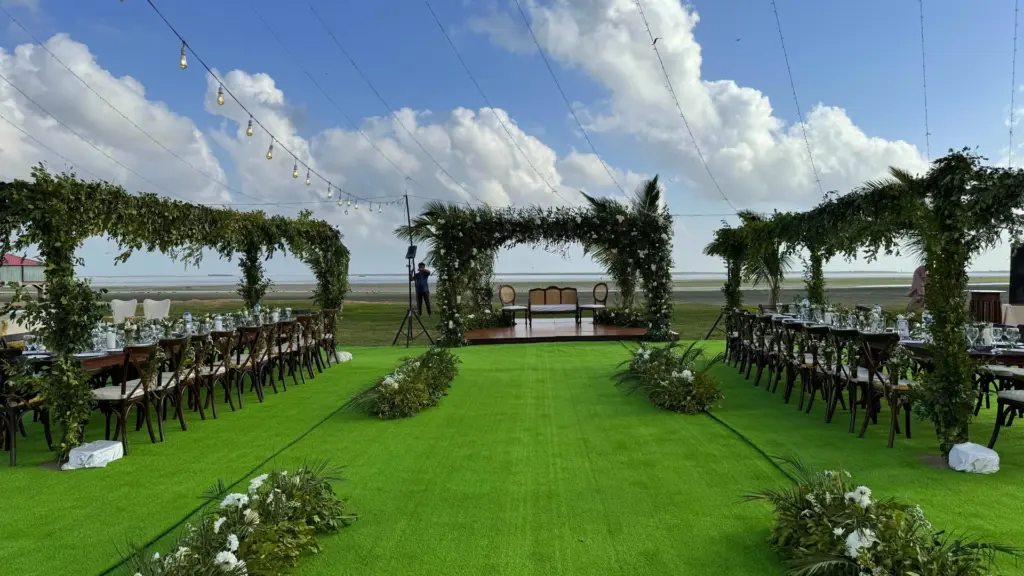

A Wedding Event Planner in Pakistan brings cultural wedding traditions and modern event designs together without losing the identity of either. Traditional customs provide meaning to each celebration, while contemporary décor, lighting, stage concepts, and venue arrangements influence how guests experience it.
Pakistani weddings carry distinct customs, from the yellow outfits and Ubtan rituals of Mayun to the floral jewellery, music, and colorful décor of Mehndi. Baraat and Nikah ceremonies also hold their own cultural and family significance, which deserves consideration in the event arrangements.
Modern designs can introduce geometric stage structures, refined floral installations, coordinated lighting, and contemporary seating layouts while retaining traditional colors, fabrics, and motifs. The real challenge is knowing which customs should remain central and where modern design can add something new, allowing celebrations to reflect personal preferences without losing their Pakistani identity.
Why Do Pakistani Wedding Traditions Matter in Modern Celebrations?
Pakistani weddings carry regional customs, family values, and religious practices that give each celebration its own identity. These traditions influence everything from color choices and clothing to music, ceremonial arrangements, and family involvement.
In many Punjabi families, the bride’s departure during the Baraat is an emotional family occasion, while the Nikah carries religious significance through the marriage contract and consent of the couple.
Sindhi weddings may feature traditional Ajrak and Ralli patterns, whereas Pashtun celebrations can include Attan performances and regional music. These details reflect the cultural backgrounds of the families hosting the wedding.
Understanding these differences helps determine which elements should remain central to the event. Modern styling can introduce contemporary features without changing the customs that families consider important.
Which Modern Design Elements Complement Traditional Pakistani Weddings?
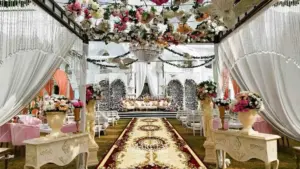
Modern wedding designs can introduce new visual ideas while keeping familiar cultural details at the center of the celebration. The most suitable choices depend on the wedding function, family preferences, and venue.
Floral arches with traditional motifs
Contemporary chandeliers with warm lighting
Geometric stages with carved patterns
Heritage fabrics used in modern seating
Brass ornaments with minimal centerpieces
Digital screens displaying family photographs
Modern table settings with regional pottery
Each design choice should have a clear connection to the overall wedding setting. Using too many unrelated styles can make the venue feel visually crowded.
How Can Wedding Décor Reflect Pakistan’s Regional Cultures?
Regional identity can influence wedding décor through textiles, colors, patterns, and locally recognized decorative objects. Using these details gives a celebration a cultural reference beyond the usual floral arrangements and stage backdrops.
For example, Sindhi Ajrak prints can appear on welcome displays or seating accents, while Multani blue pottery can add regional character to table arrangements. Truck-art patterns may also inspire colorful signage or selected decorative panels without covering the entire venue in artwork.
The placement of these elements matters as much as their selection. A few recognizable cultural details can create a stronger visual connection than filling every corner with traditional patterns.
How Should Traditional Wedding Clothing Influence Event Design?
Wedding clothing often provides a natural starting point for selecting venue colors and decorative details. A bride wearing a heavily embroidered red or maroon outfit may prefer a stage that complements its colors rather than competes with its intricate work.
For Mehndi, bright greens, yellows, and orange tones can inspire colorful seating, floral arrangements, and patterned backdrops. A Baraat reception may call for richer shades, metallic accents, and more formal stage detailing to suit the ceremonial atmosphere.
Coordinating décor with the family’s clothing choices also creates visual consistency in wedding photographs. This requires early communication about outfit colors, jewellery, and the overall appearance planned for each function.
How Can Traditional Wedding Functions Be Styled With Modern Designs?
Each Pakistani wedding function has a different atmosphere, so its décor should reflect the occasion rather than follow one identical theme. The following examples show how familiar customs can be presented through contemporary event styling.
|
Wedding function |
Traditional element |
Modern design approach |
|
Dholki |
Folk songs and informal gatherings |
Intimate seating with colorful cushions |
|
Mayun |
Yellow clothing and family rituals |
Yellow floral installations and simple backdrops |
|
Mehndi |
Henna, music, and festive colors |
Patterned stages and contemporary lighting |
|
Baraat |
Bridal arrival and family procession |
Grand entrance structures and formal stage décor |
|
Nikah |
Marriage contract and religious ceremony |
Minimal floral arrangements and elegant seating |
|
Walima |
Reception hosted by the groom’s family |
Refined table settings and coordinated lighting |
The design should suit the function’s purpose and customs. Not every ceremony needs an elaborate stage or extensive decoration.
How Can Venue Selection Support Traditional and Modern Wedding Themes?
The venue influences how cultural and contemporary design elements can be displayed. Historic buildings, marquees, hotel ballrooms, and open-air lawns each offer different possibilities for stage placement, guest seating, lighting installations, and ceremonial spaces.
A heritage-style property may suit traditional architectural details, while a modern ballroom can accommodate suspended décor and large display structures. The venue should provide enough space for the planned arrangements without restricting guest movement or essential wedding activities.
What Practical Details Should Be Planned for Multi-Day Pakistani Weddings?
Multi-day celebrations involve different family gatherings, guest arrivals, and ceremonial requirements. Keeping these arrangements organized helps each function run according to its own schedule.
Prepare separate setup deadlines for every function.
Confirm transport arrangements for out-of-city relatives.
Assign family representatives for ceremonial responsibilities.
Keep bridal and groom preparation areas private.
Arrange backup power for outdoor celebrations.
Confirm vendor access and venue closing times.
Provide clear directions between separate event locations.
These arrangements are particularly important when functions take place at different venues or on consecutive days. A designated coordinator should track outstanding tasks and communicate changes to the relevant family members and service teams.
How Can Wedding Entertainment Preserve Cultural Identity?
Music and performances contribute significantly to the character of Pakistani wedding celebrations. Traditional dhol players, folk singers, regional dance performances, and family singing sessions can keep cultural customs present even when the event features modern production.
Contemporary sound systems, LED displays, and stage lighting can support these performances without overpowering them. For example, a live folk music performance can remain the center of attention while subtle lighting highlights the musicians and creates a suitable setting for the audience.
How Should Food Presentation Reflect Pakistani Wedding Traditions?
Wedding menus often carry family preferences and regional food customs. A traditional dinner may include dishes such as Sindhi biryani, Punjabi karahi, sajji, haleem, or qorma, depending on the family’s background and the occasion.
Modern catering presentation can introduce organized food stations, elegant serving counters, and clearly displayed menu cards. However, the original preparation and flavor of traditional dishes should remain central, especially when families have specific recipes or regional favorites they want served to their guests.
Conclusion
Pakistani weddings bring together cultural customs, family traditions, and changing design preferences. Combining these elements requires an understanding of regional practices and the ability to introduce modern features without taking attention away from their significance.
A professional wedding event planner can coordinate these requirements across different functions, helping families maintain the character of their celebrations while introducing contemporary event design.
Frequently Ask Questions
How Can Families Include Regional Customs in Modern Weddings?
Families can incorporate regional clothing, textiles, music, artwork, and ceremonial practices into different wedding functions. These details can appear in invitations, venue displays, entertainment, and selected decorative features.
Should Every Wedding Function Have a Different Décor Theme?
Not necessarily. Each function can have its own visual identity while maintaining a consistent color palette or design element across the celebrations. This creates variety without making the overall wedding feel disconnected.
How Can Couples Manage Different Family Preferences for Wedding Designs?
Couples should discuss important traditions and design expectations with both families before finalizing arrangements. Agreeing on essential customs, preferred colors, and ceremonial requirements early can reduce disagreements during preparation.
Can Modern Technology Be Used in Traditional Pakistani Wedding Ceremonies?
Yes. LED displays, professional sound systems, digital invitations, and event photography can support traditional ceremonies. Their use should respect the religious and cultural nature of each occasion.