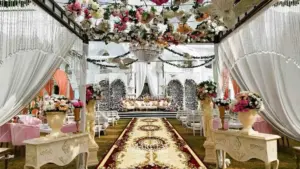
Organizing an event involves much more than selecting a venue and inviting guests. Whether it is a wedding, corporate conference, product launch, exhibition, birthday celebration, or private gathering, every occasion requires planning, coordination, and attention to detail. From managing suppliers and arranging catering to organizing technical equipment and maintaining a schedule, several responsibilities must come together to make an event successful.
This is why choosing the right event planner is an important decision. A professional planning team can help clients organize different aspects of an occasion, coordinate service providers, and manage the practical arrangements required before and during the event.
However, not every planning company offers the same services or has experience with every type of occasion. Understanding what to look for can help individuals, families and businesses make a more informed decision.
What Does an Event Planner Do?
An event planner coordinates the arrangements required to organize an occasion according to the client’s objectives, requirements, budget, and schedule. The responsibilities may include developing an event concept, sourcing a venue, coordinating suppliers, arranging catering, managing décor, and supervising event-day operations.
The exact scope depends on the event and the services included in the agreement. Some clients require assistance with selected arrangements, while others need a team to manage the entire event from initial planning to final execution.
Common responsibilities include:
- Understanding the client’s objectives, preferences, and budget.
- Developing an event plan and organizing a realistic timeline.
- Researching suitable venues and checking their facilities.
- Coordinating catering, décor, lighting, and entertainment suppliers.
- Arranging audiovisual equipment and technical production.
- Managing guest requirements and event logistics.
- Monitoring setup, schedules, and activities on the event day.
- Coordinating with suppliers when unexpected issues arise.
A clear understanding of these responsibilities helps clients determine what support they actually need before contacting a planning company.
1. Identify the Type of Event You Want to Organize
The first step is to define the purpose and nature of the event. Different occasions have different requirements, and a company experienced in one category may not necessarily have the resources or expertise required for another.
Weddings and Family Celebrations
Weddings involve multiple functions, guests, suppliers, and venue arrangements. Depending on the family’s requirements, the planning process may include Mehndi, Nikah, Barat, Walima, and other celebrations.
Important considerations include venue selection, stage design, floral arrangements, catering, guest seating, photography, entertainment and event-day coordination.
Corporate Events
Corporate occasions require careful attention to schedules, professional presentation and technical arrangements. Conferences, seminars, annual dinners, award ceremonies, exhibitions and product launches may require stage production, audiovisual systems, branding, registration management, catering and guest coordination.
The planning team should understand the organization’s objectives, audience and event format before recommending arrangements.
Private and Social Events
Birthdays, anniversaries, engagement parties and private celebrations may have smaller guest lists, but they still require coordination. Décor, catering, entertainment, seating and suitable venue arrangements should reflect the occasion and available budget.
Identifying the event category helps narrow down companies that can demonstrate relevant experience.
2. Review the Event Planner’s Experience and Previous Work
Experience is an important consideration when comparing event-planning companies. However, the number of years a company has operated should not be the only factor.
Review its previous projects and look for examples that are relevant to your requirements. A portfolio can help you understand the company’s approach to event styling, production, venue arrangements, and overall coordination.
When reviewing previous work, consider:
- Has the company managed events similar to yours?
- Are photographs and videos available from completed projects?
- Does the portfolio demonstrate different event formats?
- Can the company explain its responsibilities in those projects?
- Does it have experience handling the expected guest count?
- Can it provide relevant client references or testimonials?
For larger occasions, ask about the team’s operational experience, supplier network, and ability to manage multiple arrangements at the same time.
A well-presented portfolio is useful, but clients should also ask practical questions about the work behind each project.
3. Understand the Services Included in the Planning Package
Before comparing quotations, establish which services you expect the company to provide. Some event-planning businesses focus on coordination, while others provide broader event management and production support.
Depending on the company, services may include:
Venue sourcing: Researching suitable locations according to guest capacity, accessibility, facilities, and event requirements.
Event décor: Planning stage designs, floral arrangements, lighting concepts, entrance installations and other decorative elements.
Catering: Coordinating menus, food presentation, service arrangements, and guest dining requirements.
Lighting and audiovisual production: Arranging sound systems, microphones, LED screens, projection equipment, lighting and technical support.
Photography and videography: Coordinating professional coverage of important activities and event moments.
Entertainment: Arranging performers, hosts, musicians, and other entertainment according to the event format.
Guest management: Supporting registration, seating, hospitality, and movement throughout the venue.
Logistics and production: Managing supplier access, transportation, setup schedules, equipment requirements, and dismantling arrangements.
Ask for a written breakdown of the services included in the proposal. This makes it easier to identify exclusions and understand whether additional suppliers will need to be arranged independently.
4. Establish a Realistic Event Budget
Budget planning should begin before confirming a venue or committing to suppliers. The total cost of an event depends on several factors, including the guest count, venue, location, design requirements, catering arrangements and technical production.
A useful starting point is to divide the budget into categories:
|
Budget category |
Typical considerations |
|
Venue |
Booking charges, facilities and additional hours |
|
Décor |
Stage, flowers, entrance and table arrangements |
|
Catering |
Menu, service staff and dining setup |
|
Lighting and sound |
Equipment, installation and technical staff |
|
Photography |
Photography, videography and coverage duration |
|
Entertainment |
Performers, hosts and related arrangements |
|
Logistics |
Transportation, loading and equipment movement |
|
Contingency |
Unexpected expenses and additional requirements |
Request itemized quotations rather than relying only on a single package price. Confirm whether taxes, service charges, overtime, equipment, transportation and additional staffing are included.
It is also sensible to reserve a contingency amount. Event requirements can change during planning, and an appropriate allowance can help clients manage unexpected costs without disrupting essential arrangements.
5. Choose a Venue That Matches the Event Requirements
The venue influences the guest experience, event layout, and overall operational plan. A location that looks attractive in photographs may not necessarily have the facilities required for a particular occasion.
Before making a booking, consider:
- Maximum and comfortable guest capacity.
- Accessibility and parking facilities.
- Location and travel arrangements.
- Seating and dining space.
- Washrooms and guest facilities.
- Electrical supply and generator backup.
- Indoor or outdoor weather protection.
- Stage, lighting and sound installation possibilities.
- Supplier access and setup restrictions.
For outdoor events, additional considerations include weather conditions, flooring, shade, cooling, power backup, and an alternative arrangement in case of rain.
For indoor venues, check ventilation, air conditioning, ceiling height, technical facilities, and restrictions on décor or equipment installation.
Whenever possible, inspect the venue in person and confirm important facilities in the booking agreement.
6. Evaluate Communication and Coordination
An event involves several moving parts, so communication between the client, planning team and suppliers is essential.
Before hiring a company, consider how it handles enquiries, meetings, proposals and updates. A clear planning process should explain who will manage the project, how decisions will be approved and how changes will be communicated.
Ask the company:
- Who will be the main point of contact?
- How often will planning updates be provided?
- How will supplier responsibilities be coordinated?
- What happens if the schedule or requirements change?
- Who will supervise the event on the day?
- How are unexpected operational issues handled?
Clients should receive clear answers and know whom to contact when decisions or approvals are required.
7. Check Supplier Management and Event-Day Operations
An event planner may coordinate several suppliers, including caterers, decorators, photographers, lighting technicians, entertainers and venue representatives.
These suppliers often work according to different schedules and operational requirements. Without coordination, delays or misunderstandings can affect the setup and event programme.
Before confirming a planning agreement, understand whether the company manages supplier communication, delivery schedules, installation, rehearsals and event-day supervision.
For larger events, request a basic event timeline or production schedule. It should identify important milestones, supplier arrival times, setup deadlines, programme activities and dismantling arrangements.
A clearly assigned team structure also helps ensure that responsibilities are not overlooked.
8. Review the Contract Before Confirming the Booking
A written agreement protects both the client and the service provider by documenting the approved arrangements.
The contract should explain the services being provided, payment schedule, cancellation conditions, deadlines, and responsibilities of both parties.
Pay attention to:
- The complete list of agreed services.
- Payment amounts and due dates.
- Supplier and venue payment responsibilities.
- Changes to the event scope.
- Cancellation and rescheduling conditions.
- Overtime and additional charges.
- Equipment and staffing arrangements.
- Event-day management responsibilities.
Do not assume that a service is included simply because it was discussed during an initial meeting. Important commitments should be recorded in writing.
9. Prepare for Unexpected Event Challenges
Even a carefully planned occasion can face unexpected situations. Weather changes, supplier delays, technical issues, and adjustments to guest requirements can affect event operations.
A professional planning process should identify potential risks before the event takes place.
For example, an outdoor wedding may require a covered alternative, suitable flooring and a power backup arrangement. A corporate conference may need backup microphones, additional presentation equipment and a clear registration process.
The planning team should also understand the venue’s emergency procedures, access arrangements and relevant restrictions.
Discussing these possibilities in advance helps clients understand how the team will respond if circumstances change.
10. Compare Event Planners Before Making a Final Decision
Selecting a company based only on the lowest quotation can lead to misunderstandings about the actual services being provided.
Instead, compare companies using consistent criteria. Review their experience, portfolio, service coverage, communication, supplier coordination, pricing transparency and contractual terms.
A simple comparison can help:
|
Selection factor |
What to look for |
|
Experience |
Relevant completed projects |
|
Portfolio |
Genuine photographs and videos |
|
Services |
Clearly defined scope of work |
|
Budget |
Itemized and transparent quotation |
|
Communication |
Clear updates and assigned contact |
|
Suppliers |
Coordination and responsibility details |
|
Planning |
Practical timeline and event schedule |
|
Agreement |
Written terms and payment conditions |
The best choice is the company that can meet the event’s actual requirements, communicate clearly, and explain how the agreed arrangements will be managed.
Why Professional Event Planning Matters
Planning an event independently may be manageable when the occasion is small, and the arrangements are limited. However, larger events often involve multiple suppliers, venue requirements, technical equipment and time-sensitive activities.
Professional support can help organize these responsibilities through a defined planning process. It can also give clients a clearer understanding of budgets, supplier arrangements, event schedules and operational requirements.
For businesses, organized event management can help maintain professional presentation and support communication with employees, customers, partners, and other attendees.
For families, professional coordination can reduce the burden of managing several arrangements while allowing them to focus on the occasion and their guests.
The value of professional planning depends on the scope of work, the quality of coordination, and how effectively the company meets the client’s requirements.
Conclusion
Choosing the right event planner requires more than comparing photographs or selecting the first available quotation. Clients should assess relevant experience, service coverage, budget transparency, venue knowledge, supplier coordination, and the company’s approach to event-day operations.
Whether organizing a wedding, corporate gathering, exhibition or private celebration, a clear plan helps establish responsibilities and keeps important arrangements organized.
Before making a final decision, discuss your objectives, guest requirements, budget, and expectations with potential providers. Review their proposals carefully and confirm all important services and conditions in writing. These steps can help you select a planning team that understands the occasion and can manage its practical requirements effectively.