
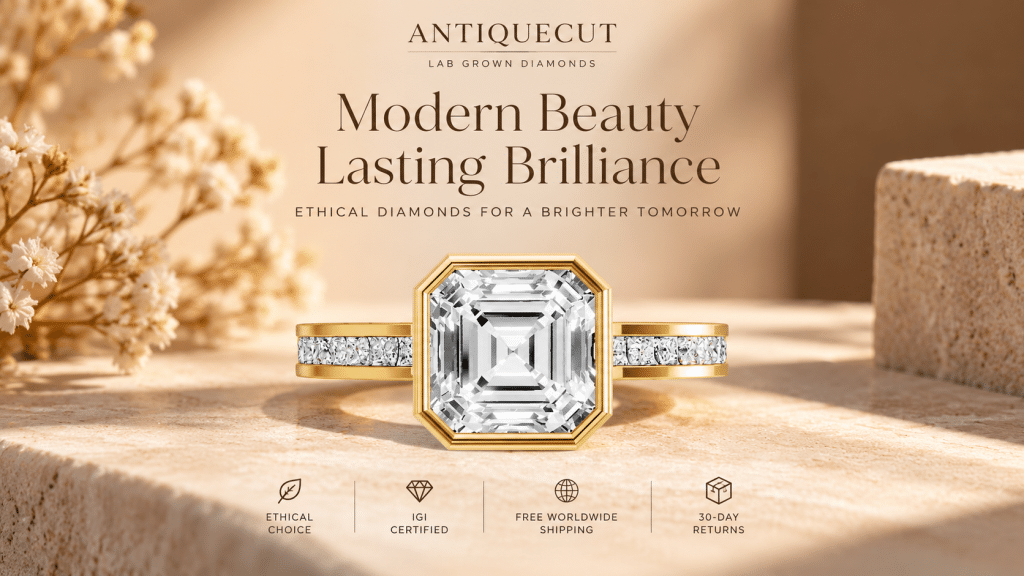

Choosing an engagement ring involves more than selecting a diamond shape. The setting also affects how the ring looks, feels, and performs during everyday wear. Bezel engagement rings have become an appealing choice for shoppers who want a secure setting with a clean outline around the center stone. Instead of holding the diamond with individual prongs, a bezel uses a metal rim that surrounds the stone’s edge.
This setting can work with many diamond shapes, metals, and design details. It can look simple when paired with a single center stone or more distinctive when combined with side stones, contrasting metals, or an unusual band shape. For anyone searching for an engagement ring that feels personal without being difficult to wear, bezel designs are worth considering.
What Is a Bezel Engagement Ring?
A bezel setting holds the diamond within a thin metal border. The rim sits around the outer edge of the stone and keeps it securely positioned in the ring.
Unlike prong settings, there are no raised claws extending over the diamond. This gives the ring a smooth profile and reduces the number of exposed parts that can catch on clothing or hair.
The bezel style has practical benefits as well as visual appeal. The surrounding metal can help protect the edges of a diamond, particularly with shapes that have pointed or more exposed corners. This makes the setting suitable for people who plan to wear their engagement ring regularly.
The amount of metal surrounding the stone can also vary. Some designs use a narrow rim that keeps most of the diamond visible, while others feature a wider border for a stronger design statement.
Why Consider Bezel Set Engagement Rings?
One of the main reasons shoppers consider bezel set engagement rings is their secure construction. The metal border holds the diamond in place from the sides, creating a protected setting that works well for an active lifestyle.
Another advantage is the smooth surface. Since the setting does not have traditional prongs extending upward, there are fewer points that may snag on sweaters, scarves, or other fabrics.
The setting also offers plenty of room for personal choices. You can pair a bezel with a round, oval, emerald, pear, marquise, or other diamond shape. The same setting can look completely different depending on the proportions of the center stone and the design of the band.
For someone who prefers a ring that does not look like every other traditional engagement style, a bezel can provide a different approach without making the ring difficult to wear.
Bezel Diamond Engagement Ring Styles
A bezel diamond engagement ring can take many forms. The center stone may be the main focus, or the designer can add additional diamonds to the band or surrounding setting.
A simple round diamond inside a slim bezel creates a neat and understated appearance. An oval diamond can produce a longer visual line across the finger, while an emerald-cut diamond can give the ring a more structured appearance.
For a more distinctive design, the bezel can be combined with a split-shank band, tapered shoulders, milgrain details, or small accent stones.
Metal choice also changes the overall appearance. White gold can create a bright, uniform look around a colorless diamond. Yellow gold creates stronger contrast between the stone and its setting. Rose gold offers another option for shoppers who want a warmer metal tone.
Unique Bezel Engagement Rings for Different Personal Styles
Not every bride wants a traditional ring. Unique bezel engagement rings can be designed around personal preferences, making them suitable for shoppers who want something outside the standard solitaire format.
One option is an east-west bezel setting, where an elongated diamond is positioned horizontally across the finger. This arrangement changes the usual orientation of the stone and can give the ring a distinctive appearance.
Another option is a two-tone design. Combining white and yellow gold can create contrast between the bezel and the band without adding excessive decoration.
A bezel can also be paired with a curved or sculpted band. These designs may work particularly well when the engagement ring is intended to be worn alongside a wedding band.
For shoppers who prefer decorative details, small diamonds can be placed along the shoulders of the band or around the center stone. The bezel remains the main structural feature while the additional details create visual interest.
The Bezel Solitaire Engagement Ring
A bezel solitaire engagement ring is one of the simplest ways to wear this setting. The design focuses on one center diamond without additional stones competing for attention.
Solitaire bezels are available in several proportions. A smaller center stone with a thin metal rim can create a delicate appearance, while a larger diamond with a wider bezel can make the setting itself a noticeable part of the design.
Round diamonds are a common choice for solitaire settings, but elongated shapes can also work well. An oval, emerald, pear, or marquise diamond can change the character of the same basic solitaire structure.
The band can remain plain for a straightforward look or include small design details such as tapered shoulders, a knife-edge profile, or subtle texturing.
Lab Grown Bezel Engagement Ring Options
For shoppers interested in lab-grown diamonds, a lab grown bezel engagement ring combines the setting’s practical design with a lab-created center stone.
Lab-grown diamonds have the same basic chemical composition and crystal structure as natural diamonds. They can be produced in different shapes, sizes, and grades, giving shoppers a wide range of options when choosing a center stone.
A bezel setting can be especially useful for shoppers who want to keep the overall design clean while making the center diamond the main feature.
When comparing lab-grown diamonds, it is still important to look at the individual stone’s cut, color, clarity, carat weight, and certification. The setting does not determine the quality of the diamond itself.
Buyers should also consider the metal, ring size, band width, and setting dimensions before making a final choice.
Bezel Rings for Everyday Wear
An engagement ring is often worn throughout the day, so comfort should be part of the selection process.
Bezel settings have a relatively smooth outer surface. This can make them convenient for people who work with their hands or regularly wear clothing that can catch on raised jewelry details.
The protected edge can also be useful for certain diamond shapes. For example, a bezel around a pear-shaped diamond can cover the pointed end, while an elongated stone can be surrounded by a continuous metal border.
However, every ring still needs proper care. Dirt can collect around the area where the metal meets the diamond, so regular cleaning helps maintain the appearance of both the stone and setting.
It is also worth having the ring inspected periodically. A jeweler can check the bezel, band, and diamond to make sure everything remains secure.
Choosing the Right Diamond Shape
The diamond shape should be considered alongside the bezel design.
Round: A classic option that works naturally with a circular bezel.
Oval: Its elongated shape can create a longer appearance on the finger.
Emerald: The step-cut pattern works well with a structured bezel setting.
Pear: The pointed end benefits from having protective metal around its perimeter.
Marquise: Its elongated shape can create a strong horizontal or vertical design depending on how it is positioned.
Radiant: This shape combines a rectangular outline with a faceted interior and can work well in a full bezel.
There is no single shape that works for every wearer. Finger proportions, preferred ring width, lifestyle, and personal taste all matter.
Choosing the Right Metal
Metal selection is another important part of designing a bezel ring.
White gold offers a neutral appearance that can blend closely with a colorless diamond. Yellow gold creates a noticeable contrast between the stone and its surrounding metal. Rose gold provides a warmer color and can give the ring a different character.
Platinum is another option for shoppers who want a durable precious metal with a naturally white appearance.
The best choice depends on personal preference, budget, existing jewelry, and how the ring will be worn.
If the wearer already owns a wedding band or other frequently worn jewelry, choosing a compatible metal can make future ring combinations easier.
How to Choose a Bezel Ring That Feels Personal
Start by considering how the ring will be worn. Someone with an active daily routine may prefer a smooth bezel and a secure center stone. Someone focused mainly on design may want an unusual diamond orientation or a two-tone band.
Next, decide whether the center stone should be the main feature. A solitaire keeps the design focused, while side stones or band details can create a more decorative appearance.
Think about proportion as well. A very wide bezel can make the center stone appear visually smaller, while a slim bezel can leave more of the diamond exposed.
Finally, consider the wedding band. A ring with a low-profile bezel may sit differently beside a straight wedding band than a taller engagement setting. Checking how both rings will fit together can prevent surprises later.
For shoppers comparing different designs, it can be helpful to explore bezel engagement rings in several diamond shapes and metal combinations before settling on one style.
Care Tips for a Bezel Engagement Ring
Although bezel settings provide good protection, they still require regular maintenance.
Clean the ring with a gentle jewelry-safe solution and a soft brush. Pay attention to the area around the bezel, where residue can build up over time.
Avoid exposing the ring unnecessarily to harsh chemicals or abrasive cleaning products. When doing activities that could put excessive pressure on the ring, consider removing it and storing it somewhere secure.
Professional inspections are also useful. A jeweler can examine the metal rim and make sure the diamond remains properly secured.
Keeping the ring clean and checking it periodically can help preserve its condition for years of regular wear.
Final Thoughts
Bezel rings offer a combination of security, comfort, and design flexibility. From a simple solitaire to an east-west setting or a two-tone custom design, there are many ways to make the style your own.
Whether you prefer a traditional round diamond, an elongated shape, or a lab-grown stone, the bezel can provide a practical setting while giving the ring a distinct appearance. Collections from Antiquecut can also be considered when comparing different bezel designs and diamond combinations.
The right engagement ring ultimately comes down to the details that suit the wearer: diamond shape, metal, setting profile, band design, comfort, and everyday lifestyle. Taking time to compare these elements can make it easier to choose a bezel ring that feels right from the moment it is worn.