
The forehead and eyebrow area play an important role in facial expression and overall appearance. As people age, the skin gradually loses elasticity, muscles change, and natural fat distribution shifts. These changes can cause the eyebrows to descend, creating a tired, sad, or older appearance, even when a person feels energetic and well-rested. For some individuals, these changes are simply part of ageing, while others may find that they affect their confidence or interfere with their daily comfort.
A brow lift is a cosmetic procedure designed to raise the eyebrows, smooth forehead wrinkles, and create a more refreshed facial appearance. Individuals exploring Brow Lift in Oman can learn about the procedure and consider whether it suits their aesthetic goals. Understanding the common signs that may indicate a benefit from a brow lift can help individuals make informed decisions about their facial appearance and treatment options.
1. Drooping or Sagging Eyebrows
One of the most noticeable signs that someone might benefit from a brow lift is the gradual drooping of the eyebrows. As the skin loses elasticity with age, the forehead tissues may begin to descend, causing the eyebrows to sit lower than they naturally did.
Drooping eyebrows can change the overall appearance of the face. They may create a heavy appearance around the upper eyelids and make the eyes look smaller or less open. Some individuals may also notice that their eyebrows have become uneven, with one sitting lower than the other.
A brow lift can help reposition the eyebrows to a more elevated position, creating a balanced and refreshed appearance. The procedure focuses on improving the relationship between the forehead, eyebrows, and upper eyelids while maintaining natural-looking facial expressions.
However, not every person with low eyebrows requires surgery. A professional assessment can help determine whether brow position, excess eyelid skin, or another concern is responsible for the appearance.
2. Persistent Tired or Sad Facial Expression
Another common reason individuals consider a brow lift is that their face consistently appears tired, stressed, or unhappy. Even when they feel relaxed and energetic, downward-positioned eyebrows can create an expression that does not reflect their actual mood.
The eyebrows contribute significantly to non-verbal communication. Their position influences how emotions are perceived by others. When the outer or central portions of the eyebrows begin to descend, the face may appear less alert or more serious.
This can be frustrating for individuals who regularly hear comments suggesting that they look exhausted or upset when they are feeling perfectly fine.
A brow lift may help address this concern by gently elevating the brow area and reducing the appearance of heaviness across the forehead. The objective is not to change a person’s natural identity or facial expressions but to restore a more refreshed appearance.
A suitable treatment approach should always consider the individual’s facial proportions, eyebrow shape, and desired results.
3. Deep Forehead Wrinkles and Horizontal Lines
Forehead wrinkles are a natural part of ageing, but prominent lines can sometimes make the face appear older than expected. These lines may develop due to repeated facial movements, reduced collagen production, sun exposure, and changes in skin elasticity.
Horizontal forehead lines often become more noticeable when individuals repeatedly raise their eyebrows to compensate for drooping tissues. Over time, these repeated movements can contribute to more visible creases.
A brow lift may help improve the appearance of certain forehead wrinkles by repositioning the underlying tissues and reducing excessive skin folding. Depending on the surgical technique, it may also create a smoother appearance across the upper forehead.
It is important to understand that a brow lift does not eliminate every wrinkle. Fine lines caused by sun damage, skin texture changes, or repeated muscle activity may require different cosmetic approaches.
Individuals considering treatment should understand the difference between static wrinkles, which remain visible when the face is relaxed, and dynamic wrinkles, which appear during facial expressions. This distinction helps establish realistic expectations.
4. Heavy Upper Eyelids or a Hooded Appearance
Drooping eyebrows can contribute to a heavy or hooded appearance around the upper eyelids. When the eyebrows descend, the skin above the eyelids may appear more prominent, making the eyes look smaller or less defined.
Some individuals notice that the upper eyelid area seems increasingly crowded, even though the primary concern may actually involve the position of the eyebrows rather than excess eyelid skin.
In certain cases, sagging brows can also contribute to functional discomfort. Individuals may unconsciously raise their eyebrows to open their eyes more fully, which can create forehead tension and fatigue.
A brow lift may improve the position of the eyebrows and reduce some of the heaviness affecting the upper facial area. However, it is not the same as upper eyelid surgery, also known as blepharoplasty.
The two procedures address different concerns. A brow lift focuses on repositioning the eyebrows and forehead tissues, while upper eyelid surgery addresses excess skin or tissue around the eyelids. Depending on the individual’s anatomy, one procedure or a combination may be considered.
A thorough evaluation is important to identify the actual cause of upper eyelid heaviness before selecting a treatment.
5. Uneven Eyebrow Position or Facial Asymmetry
Facial symmetry contributes to overall facial balance, but perfectly symmetrical eyebrows are uncommon. Many people naturally have one eyebrow slightly higher than the other. However, ageing, changes in muscle activity, and differences in skin elasticity can make this asymmetry more noticeable.
Uneven eyebrows may affect the appearance of the eyes and forehead, sometimes creating an unbalanced facial expression. For individuals who feel self-conscious about this difference, a brow lift may be worth exploring.
The procedure can be planned to address the position of each eyebrow according to the individual’s facial structure. The aim is to improve overall balance without creating an artificial or overly elevated appearance.
It is also important to recognise that eyebrow asymmetry can have several causes. Differences in bone structure, muscle strength, previous injuries, and natural facial anatomy may all contribute.
A brow lift cannot guarantee perfect symmetry, and the final outcome depends on individual characteristics and healing. A personalised assessment helps determine what degree of improvement may be realistic.
6. Reduced Confidence Due to Forehead and Brow Ageing
Changes around the forehead and eyebrows can influence how individuals feel about their appearance. Some people become increasingly concerned when their facial features no longer reflect how youthful or energetic they feel internally.
For example, an individual may feel confident in their appearance but become uncomfortable with photographs showing drooping eyebrows, deep forehead lines, or a consistently tired expression.
These concerns can sometimes affect social interactions, professional confidence, and personal satisfaction with appearance.
A brow lift may be considered by individuals who want to address these visible signs of ageing and achieve a more refreshed facial appearance.
However, cosmetic surgery should always be a personal decision rather than a response to external pressure. The most suitable candidates are generally those with realistic expectations, good overall health, and a clear understanding of the potential benefits and limitations.
A successful treatment plan should prioritise natural facial proportions rather than attempting to create an entirely different appearance.
7. Non-Surgical Treatments Have Not Provided the Desired Results
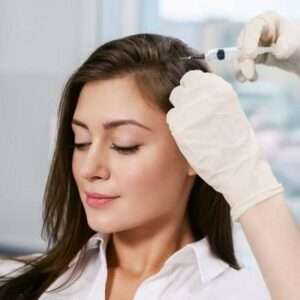
Some individuals initially explore non-surgical treatments to address forehead lines, brow heaviness, or early signs of ageing. Options such as injectable treatments and skin-rejuvenation procedures may help improve certain concerns.
However, non-surgical treatments generally have limitations when significant eyebrow descent or excess skin is involved.
For instance, injectable treatments may temporarily improve the appearance of certain expression lines, but they do not remove substantial excess skin or provide the same degree of structural repositioning as surgery.
Individuals who continue to experience noticeable brow drooping despite trying non-surgical options may wish to discuss surgical alternatives.
A brow lift offers a more direct approach to repositioning the forehead and eyebrow tissues. Different surgical techniques may be used depending on the individual’s anatomy, degree of sagging, hairline, and desired outcome.
It is important to remember that surgery is not automatically the best option for everyone. A qualified professional can explain the available alternatives and help determine whether the expected benefits justify the procedure.
What to Expect During a Brow Lift Procedure?
A brow lift is generally performed as a surgical procedure to elevate the eyebrows and improve the appearance of the forehead. The exact technique depends on the individual’s facial anatomy, skin condition, and treatment goals.
Common approaches include an endoscopic brow lift, a traditional or coronal brow lift, and a limited-incision technique. Each method involves a different approach to accessing and repositioning the underlying tissues.
The procedure usually involves the following stages:
-
Initial consultation: The individual’s medical history, facial anatomy, eyebrow position, and aesthetic concerns are assessed.
-
Treatment planning: A suitable surgical approach is selected based on the degree of brow descent and desired results.
-
Anaesthesia: Appropriate anaesthesia is administered according to the surgical plan.
-
Tissue repositioning: The surgeon carefully adjusts the forehead tissues and elevates the eyebrows.
-
Incision closure: The incisions are closed, and appropriate post-operative instructions are provided.
Recovery varies depending on the technique used and individual healing characteristics. Swelling, bruising, and temporary discomfort are common during the initial recovery period.
Following aftercare instructions, avoiding strenuous activities during the recommended period, and attending follow-up appointments can support proper healing.
Benefits, Risks, and Considerations Before a Brow Lift
A brow lift may offer several aesthetic benefits for suitable candidates. These can include a more elevated eyebrow position, reduced forehead heaviness, improved facial balance, and a refreshed appearance around the eyes.
The procedure may also help improve the appearance of certain forehead lines associated with sagging tissues.
Nevertheless, brow lift surgery involves potential risks that should be carefully considered. These may include:
-
Swelling and bruising.
-
Temporary or persistent numbness around the forehead or scalp.
-
Scarring near the incision sites.
-
Infection or bleeding.
-
Changes in hairline position.
-
Temporary or permanent changes in eyebrow sensation.
-
Asymmetry or an unsatisfactory cosmetic result.
-
Anaesthesia-related complications.
Results and recovery experiences differ from person to person. Some individuals may experience longer-lasting improvements, while natural ageing continues after surgery.
Before proceeding, individuals should discuss their expectations, medical history, possible complications, recovery requirements, and alternative treatments with a qualified surgical professional.
Frequently Asked Questions About Brow Lift
1. What is the main purpose of a brow lift?
A brow lift is designed to elevate drooping eyebrows, improve forehead contours, and reduce the appearance of certain wrinkles. It can help create a more refreshed and balanced appearance by addressing changes in the upper facial area associated with ageing.
2. Who is a suitable candidate for a brow lift?
Individuals with drooping eyebrows, forehead wrinkles, a heavy upper brow appearance, or facial expressions that consistently appear tired may be suitable candidates. Good overall health and realistic expectations are also important. A professional assessment is necessary to determine suitability.
3. How long does recovery from a brow lift take?
Recovery depends on the surgical technique and individual healing process. Initial swelling and bruising generally improve over the first few weeks, although complete healing and the settling of tissues may take longer. Following post-operative instructions can support recovery.
4. Does a brow lift permanently remove forehead wrinkles?
A brow lift can improve certain forehead wrinkles associated with sagging tissues, but it does not permanently eliminate all wrinkles. Natural ageing, facial movements, and environmental factors continue to affect the skin after surgery.
5. Is a brow lift different from eyelid surgery?
Yes. A brow lift focuses on raising the eyebrows and repositioning forehead tissues, whereas eyelid surgery addresses excess skin or tissue around the upper or lower eyelids. Some individuals may benefit from one procedure or a combination, depending on their anatomy.
6. Are there non-surgical alternatives to a brow lift?
Yes. Depending on the concern, non-surgical options such as injectable treatments and skin-rejuvenation procedures may help improve certain wrinkles or early signs of ageing. However, these treatments cannot provide the same structural lifting effect as surgery when significant brow drooping is present.
Final Thoughts
Drooping eyebrows, deep forehead wrinkles, a tired facial expression, and upper eyelid heaviness are among the common signs that may indicate a person could benefit from a brow lift. While these changes are often associated with natural ageing, they can also influence facial balance and personal confidence.
Understanding the available treatment options allows individuals to make informed decisions about their appearance. A brow lift may provide noticeable improvements for suitable candidates, but careful assessment, realistic expectations, and awareness of potential risks are essential before undergoing surgery.
Ultimately, the most appropriate approach depends on individual facial anatomy, aesthetic goals, and overall health. Professional guidance can help determine whether a brow lift or an alternative treatment is the right choice.
Read More About Brow Lift: https://neorural.es/read-blog/112912