
The nasal tip plays an important role in defining the overall appearance of the nose. Its shape, projection, width, and position can influence facial harmony. Some individuals feel that their nasal tip is too wide, rounded, drooping, or asymmetrical, while others may notice that it appears disproportionate to the rest of their facial features.
Rhinoplasty in Dubai offers surgical options for addressing different nasal concerns, including changes to the nasal tip. However, every individual has a different nasal structure, skin thickness, cartilage strength, and facial proportion. Understanding these differences is essential when considering nose reshaping surgery.
A personalised approach helps identify the underlying cause of a nasal tip concern rather than focusing only on its visible appearance.
What Are the Most Common Nasal Tip Concerns?
Nasal tip concerns can vary considerably from one person to another. Some are related to cartilage structure, while others involve skin thickness or the position of the nose.
Common concerns include:
Bulbous nasal tip: A rounded or broad nasal tip that may appear less defined.
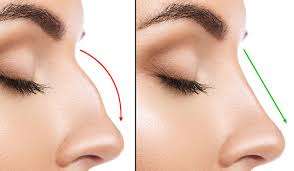
Drooping nasal tip: A nasal tip that points downward, sometimes becoming more noticeable when smiling.
Wide nasal tip: A tip that appears broader than the surrounding nasal structures.
Asymmetrical nasal tip: Unevenness between the two sides of the nose.
Under-projected nasal tip: A tip that does not extend forward sufficiently in relation to the facial profile.
Over-projected nasal tip: A tip that extends noticeably forward and may appear prominent.
Identifying the specific concern is important because different nasal structures require different surgical considerations.
Why Does Nasal Cartilage Matter in Tip Reshaping?
Cartilage provides the structural support and shape of the nasal tip. The lower lateral cartilages, in particular, contribute to the width, projection, and definition of this area.
When cartilage is naturally broad, weak, uneven, or positioned differently on each side, the nasal tip may appear rounded or asymmetrical.
During rhinoplasty planning, surgeons assess cartilage strength, orientation, and existing support. Depending on the individual’s anatomy, surgical techniques may involve carefully reshaping, repositioning, or supporting the cartilage.
The objective is not simply to make the nasal tip smaller. Maintaining adequate structural support is essential for preserving nasal function and achieving a balanced appearance.
How Does Skin Thickness Influence Nasal Tip Appearance?
Skin thickness is another important consideration in nasal tip rhinoplasty. Individuals with thicker nasal skin may have less visible definition because the underlying cartilage structure is covered by more soft tissue.
In contrast, thinner skin may reveal small irregularities in the underlying nasal framework more easily.
This difference influences surgical planning and realistic expectations. For example, reducing cartilage size alone may not create significant definition in someone with thicker skin. Similarly, excessive structural changes in a person with thin skin may increase the visibility of minor irregularities.
A suitable surgical approach considers both the underlying cartilage and the surrounding soft tissue.
How Is a Personalised Nasal Tip Rhinoplasty Plan Developed?
A successful rhinoplasty plan begins with a detailed assessment rather than choosing a particular nose shape from photographs.
Several factors may be considered during the evaluation:
1. Nasal structure assessment
The existing cartilage, bone structure, nasal tip position, and overall framework are examined to understand the source of the concern.
2. Facial proportion analysis
The nose is assessed in relation to the chin, forehead, lips, and other facial features. This helps determine whether the nasal tip appears disproportionate within the overall facial profile.
3. Skin and soft tissue evaluation
Skin thickness, elasticity, and soft tissue characteristics are considered because they can influence the final appearance after surgery.
4. Breathing and nasal function
Aesthetic concerns should not be considered separately from nasal function. The evaluation may include checking the nasal passages, septum, and other structures involved in breathing.
5. Individual expectations
Patients should communicate what they would like to improve while understanding the limitations of surgery. A realistic treatment plan considers both personal goals and anatomical possibilities.
Can Rhinoplasty Improve a Drooping or Bulbous Nasal Tip?
Rhinoplasty may help address both concerns, depending on the individual’s anatomy.
A drooping nasal tip may be associated with cartilage positioning, structural support, or changes in the relationship between the nose and upper lip. Surgical planning may focus on improving tip support and adjusting its position.
A bulbous nasal tip may be related to broad cartilage, thick skin, or a combination of factors. Depending on the cause, carefully selected techniques may improve definition and proportion.
However, these concerns cannot always be corrected in exactly the same way. The surgical approach must be adapted to the underlying anatomy, and complete symmetry or a particular cosmetic result cannot be guaranteed.
What Should Patients Expect During Recovery?
Recovery following nasal tip rhinoplasty varies depending on the extent of surgery and the techniques used.
Swelling, bruising, tenderness, and temporary nasal congestion may occur during the initial recovery period. The nasal tip can remain swollen for longer than other areas of the nose because of its soft tissue characteristics.
Patients should follow their surgeon’s instructions regarding rest, cleaning, medication, physical activity, and follow-up appointments.
It is also important to avoid unnecessary pressure on the nose during healing. Final nasal tip definition may take several months or longer to develop, particularly when swelling is persistent.
Regular follow-up assessments allow the surgical team to monitor healing and identify any concerns that require attention.
How Does Tajmeels Clinic Approach Different Nasal Tip Concerns?
At tajmeels clinic dubai, rhinoplasty planning focuses on understanding individual nasal characteristics and aesthetic goals. Different nasal tip concerns require careful evaluation because cartilage structure, skin thickness, projection, and facial proportions can influence treatment decisions.
The clinic’s approach involves considering the patient’s concerns, reviewing nasal anatomy, and discussing suitable surgical options. Whether someone is concerned about a bulbous tip, drooping appearance, asymmetry, or insufficient definition, an individual assessment helps establish realistic expectations.
Patients considering rhinoplasty in Dubai should discuss their medical history, breathing concerns, desired changes, potential risks, and recovery requirements during consultation. The suitability of surgery and the appropriate technique should be determined by a qualified specialist after a thorough examination.
Conclusion
Nasal tip concerns can involve several anatomical factors, including cartilage shape, skin thickness, structural support, and facial proportions. Rhinoplasty can address selected concerns, but the most appropriate approach depends on individual anatomy and realistic treatment goals.
A detailed consultation is an important first step in understanding available options. With careful assessment and personalised surgical planning, patients can make informed decisions about improving nasal tip appearance while considering overall facial balance and nasal function.