

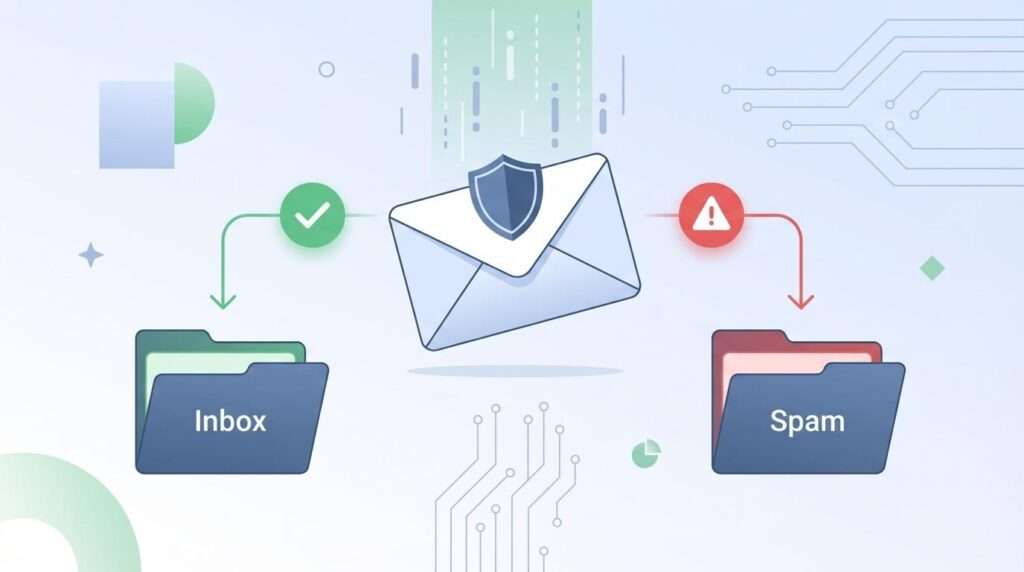

Why Do New Email Accounts Go to Spam? 7 Ways to Improve Email Deliverability
Email is an essential communication tool for individuals, freelancers, and businesses. However, one common problem many users experience is that emails sent from new accounts sometimes land in spam or junk folders instead of reaching the recipient’s inbox.
This can affect business communication, customer relationships, and professional activities. Understanding why this happens can help users develop better email practices.
1. New Accounts Have Limited Sending History
New email accounts have little or no previous sending history. Email providers may have limited information to evaluate their reputation.
This does not mean every new account will go to spam, but maintaining legitimate and consistent email activity is important.
2. Sending Too Many Emails
Sending a large number of emails immediately after creating an account can trigger spam protection systems.
Start with normal communication and always follow your email provider’s sending limits. Avoid unsolicited bulk messaging.
3. Poor Email Content
Misleading subject lines, excessive promotional language, suspicious links, and unnecessary attachments can make emails appear untrustworthy.
Write clear, relevant, and professional messages that provide value to recipients.
4. Email Authentication Problems
Businesses using custom domains should understand three important authentication methods:
- SPF identifies authorized sending servers.
- DKIM adds a digital signature to verify message authenticity.
- DMARC helps domain owners manage messages that fail authentication checks.
Correct configuration can improve domain security and help protect email reputation.
5. Maintain a Clean Contact List
Sending messages to invalid email addresses can increase bounce rates and negatively affect sender reputation.
Businesses should regularly update their contact lists and only contact people who have given appropriate permission.
6. New Email Accounts vs. Aged Accounts
An aged email account has existed longer than a newly created account. However, account age does not automatically guarantee a good reputation or better inbox placement.
Account security, legitimate ownership, sending history, and compliance with provider policies are all important.
If you are researching third-party email account services, you can explore BuyMailStore at https://buymailstore.com/ to review its available information and services. Always verify account ownership, recovery access, security, and applicable provider policies before purchasing.
7. Follow Good Email Practices
Here are some practical recommendations:
- Use accurate account information.
- Keep recovery details updated.
- Enable two-factor authentication.
- Avoid unsolicited bulk emails.
- Respect unsubscribe requests.
- Monitor email bounce and complaint rates.
- Follow the email provider’s terms of service.
Conclusion
New email accounts may experience spam placement because they have limited history or because their messages trigger spam-filtering signals.
The best approach is to maintain legitimate account activity, write useful content, configure authentication correctly, and respect email provider policies.
Good email practices help individuals and businesses build reliable communication over time.







I am an aspiring content writer with an interest in SEO, digital marketing, and online business. I enjoy researching topics and creating clear, informative, and reader-friendly articles. I am focused on learning, improving my writing skills, and delivering quality content.