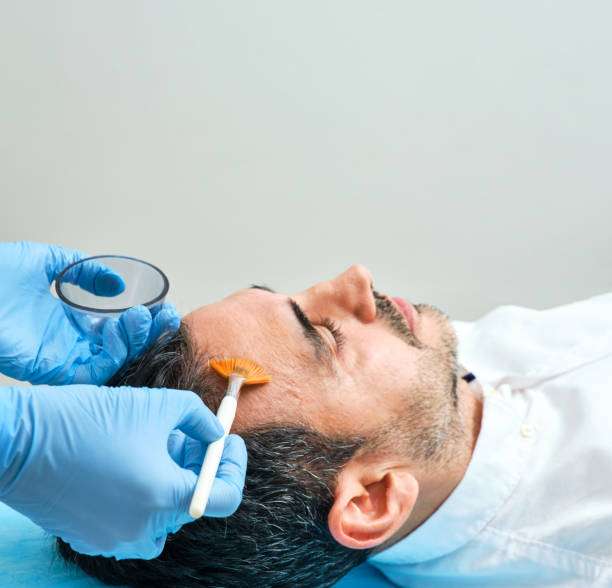

Facial hair loss can change the definition of the face, particularly when the sideburns become thin or disappear completely. Sideburn Hair Transplant in Dubai can restore missing follicles by moving suitable donor hair into the affected area and designing the new growth around the patient’s existing facial features.
The treatment is different from simply adding density to the scalp. Sideburns sit directly within the facial outline, so the direction, spacing and thickness of each graft can influence the overall appearance.
For people who want a lasting restoration rather than temporary camouflage, transplantation can be considered when the affected follicles are unlikely to return on their own.
Why Sideburn Hair Loss Can Change Facial Appearance
Sideburns create a visual connection between the scalp and facial hair.
When that connection becomes weak, the temples and sides of the face can appear more exposed. The effect may be especially noticeable with short haircuts, faded hairstyles or when the beard is kept neatly trimmed.
Even relatively small areas of hair loss can therefore have a disproportionate cosmetic impact.
The Sideburn and Temple Connection
The upper sideburn sits close to the temple and lower hairline.
If this area loses density, the transition between scalp hair and facial hair can become abrupt. Restoring follicles in the correct position can help recreate a more continuous visual frame.
The Sideburn and Beard Connection
The lower sideburn often blends toward the cheek and beard.
A restoration plan has to consider this existing facial-hair pattern. Adding dense grafts without considering the beard can make the sideburn look disconnected from the rest of the face.
Why Choose Sideburn Hair Transplant in Dubai
Transplantation has one major distinction from cosmetic camouflage: it uses living hair follicles.
Once suitable follicles are successfully transplanted and established, they can continue producing hair according to their biological characteristics.
This makes transplantation particularly relevant for areas where follicles have been permanently lost because of trauma, surgery, scarring or certain patterns of hair loss.
A Permanent Restoration Approach
Temporary fibers, makeup and styling products can change the appearance of sparse sideburns, but they do not restore follicles.
A transplant addresses the underlying absence of hair-bearing follicles in the recipient area.
The result still requires time to develop, and transplanted hair must be evaluated as it grows and matures.
Designed Around Existing Facial Hair
The objective is not to create an isolated patch of hair.
Grafts are positioned to follow the surrounding direction and create an appropriate transition. The existing beard, temple and scalp hair all become reference points during planning.
How Graft Characteristics Affect Facial Hair Restoration
Donor hair is not visually identical in every patient.
Hair shaft diameter, texture, curl and follicular-unit composition can affect the final appearance.
For sideburn restoration, graft selection is therefore part of the aesthetic planning process.
Why Finer Follicular Units Can Matter
A heavy graft placed at the front edge may look more noticeable than a finer unit.
A softer transition can often be created by considering the distribution of follicular units rather than using the same type of graft throughout the area.
Why Hair Direction Matters
Facial hair generally lies at a relatively shallow angle against the skin.
The recipient sites need to reflect this natural orientation. Incorrect angulation can make otherwise healthy transplanted follicles appear too upright or out of place.
Who May Benefit From Sideburn Restoration
There are several situations in which patients may consider transplantation:
- Naturally sparse sideburns
- Significant asymmetry
- Hair loss after trauma
- Hair loss associated with a mature scar
- Sideburn loss following surgery
- Reduced density that becomes more visible with age
- A poorly defined sideburn border
Not everyone with thin facial hair needs a transplant.
The first step is identifying whether the follicles are absent or simply producing finer hair than desired.
Patient Concerns About Facial Hair Loss
“My sideburn loss is small, so treatment will not make much difference.”
The sideburn occupies a small area, but it sits on the facial border. Even a modest restoration can affect how the temples and beard connect visually.
“A sideburn transplant will make my face look completely different.”
A well-planned restoration should complement existing facial characteristics rather than dramatically change them. The design is usually based on the patient’s natural proportions and preferred appearance.
“I need a very dense transplant to hide the loss.”
Density is only one part of the result. Direction, placement and transition often matter more than simply increasing the number of hairs.
Sideburn Hair Transplant in Dubai and the Local Lifestyle
Dubai residents may spend part of the day outdoors and the rest inside air-conditioned environments.
After transplantation, direct sunlight and excessive sweating can be inconvenient during early healing. Patients should follow their clinician’s specific instructions about sun exposure, washing, exercise and physical contact with the recipient area.
Frequent travelers should also consider when they can comfortably manage the immediate recovery period.
The treatment itself may be localized, but recovery planning should fit the patient’s actual lifestyle.
What Results Should You Expect
The immediate post-procedure appearance is not the final result.
Transplanted hairs can pass through a shedding phase before new growth develops. The follicles then gradually produce new hair as they establish their normal growth cycle.
This means patients should judge the outcome over months rather than days.
The final appearance depends on donor quality, graft survival, placement, natural growth characteristics and the patient’s individual healing response.
When Transplantation May Not Be Appropriate
A transplant is not automatically the answer for every case of facial-hair loss.
If the cause of hair loss is unclear, it may need investigation first. Similarly, patients with insufficient donor hair may need alternative approaches or a more conservative restoration goal.
A responsible consultation should explain what transplantation can realistically accomplish.
Clinic note: Facial-hair transplantation works best when the treatment plan respects the existing beard and temple pattern. The objective is a believable transition, not simply filling every visible gap.
Final Thoughts
Sideburn loss can affect facial definition even when the affected area is relatively small. Sideburn Hair Transplant in Dubai offers a long-term restoration approach for suitable patients who have lost follicles and want to rebuild this important facial transition.
The most convincing result comes from careful design, appropriate donor selection and precise placement.
Tajmeels Clinic can assess your facial-hair pattern, donor resources and restoration goals before recommending an appropriate approach. Explore your options with Tajmeels Clinic.