
A professional chemical peel is a skin rejuvenation treatment designed to improve skin texture, uneven tone, dullness, and certain pigmentation concerns. It involves applying a carefully selected chemical solution to the skin to encourage controlled exfoliation and support the natural renewal process. Many people consider chemical peels when regular skincare products do not provide the desired improvement.
If you are considering a Chemical peel in Dubai, understanding what happens during an appointment can help you feel more confident and prepared. From the initial skin assessment to the aftercare instructions, every stage plays an important role in achieving a suitable treatment experience.
What Happens Before a Chemical Peel Appointment?
A professional chemical peel appointment begins with a consultation and skin evaluation. Before recommending any treatment, a qualified skincare professional needs to understand your skin condition, concerns, and medical history.
During this assessment, several factors may be considered:
Skin type: Whether your skin is oily, dry, combination, or sensitive.
Skin concerns: The presence of acne marks, uneven pigmentation, rough texture, or fine lines.
Previous treatments: Any recent exfoliation, laser procedures, or cosmetic treatments.
Medical history: Existing skin conditions, allergies, and medications that may affect treatment suitability.
Daily skincare routine: The products you regularly use, including retinoids and exfoliating ingredients.
This assessment helps determine whether a chemical peel is appropriate and which formulation and strength may be suitable.
How Is the Skin Prepared Before Treatment?
Once the treatment plan is established, the skin is prepared to support an even and controlled application. Proper preparation is important because it helps reduce unnecessary irritation and allows the professional to assess the skin’s condition.
The treatment area is usually cleansed to remove makeup, sunscreen, excess oil, and surface impurities. Depending on the professional’s approach and the selected peel, additional preparation may be required.
The skin should be free from products that could interfere with the treatment. Patients may also receive instructions about avoiding certain active skincare ingredients before their appointment.
It is important to follow these instructions rather than introducing new exfoliating products or treatments shortly before the session.
What Happens During the Chemical Peel Application?
The actual application depends on the type of chemical peel selected. Different formulations use ingredients such as glycolic acid, salicylic acid, lactic acid, or other exfoliating agents to address specific skin concerns.
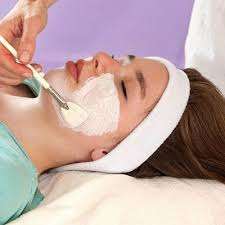
During the procedure, the professional applies the selected solution evenly to the targeted area while carefully monitoring the skin’s response.
You may experience:
Mild tingling or a warm sensation.
Temporary stinging or tightness.
Slight redness during application.
A feeling of dryness as the treatment progresses.
The intensity of these sensations varies according to the peel formulation, concentration, application technique, and individual skin sensitivity.
The solution remains on the skin for a controlled period based on the treatment protocol. Some peels are neutralised or removed after a specified time, while others follow different application instructions.
Professional monitoring is important throughout this stage to identify unexpected reactions and manage the treatment appropriately.
Does a Chemical Peel Hurt?
Most professional chemical peels are generally manageable, although the experience differs from person to person. Superficial peels often cause mild tingling, warmth, or temporary stinging.
Medium-depth treatments may produce more noticeable sensations and require additional recovery time.
Pain or severe burning should not be considered a normal treatment expectation. Patients should communicate immediately with their skincare professional if they experience intense discomfort.
Understanding the selected peel’s strength and expected sensations before starting can help establish realistic expectations.
What Happens Immediately After a Chemical Peel?
After the application is complete, the professional follows the appropriate removal or neutralisation procedure, depending on the product used.
A soothing moisturiser or suitable protective skincare product may then be applied. Sun protection is also an important part of the immediate aftercare routine.
Some temporary effects can occur after treatment, including:
Mild redness.
Skin tightness.
Dryness or sensitivity.
Slight swelling in certain cases.
Gradual flaking or peeling.
The appearance of these effects depends on the treatment depth and individual skin response. Not every patient experiences visible peeling.
It is also important to understand that skin improvement does not happen immediately. The renewal process takes time, and results may become more noticeable as the skin recovers.
How Long Does Skin Take to Recover?
Recovery time depends mainly on the type and depth of the chemical peel.
Superficial peels usually involve shorter recovery periods, while medium-depth peels can require more time for redness, sensitivity, and peeling to settle.
During recovery, patients should avoid picking, rubbing, or manually removing peeling skin. Doing so can increase irritation and potentially contribute to scarring or pigmentation changes.
A suitable aftercare routine generally includes:
Using a gentle cleanser.
Applying a recommended moisturiser.
Wearing broad-spectrum sunscreen.
Avoiding excessive sun exposure.
Temporarily avoiding harsh exfoliants.
Following the professional’s instructions about restarting active skincare products.
If severe pain, blistering, increasing swelling, or signs of infection develop, medical advice should be sought promptly.
How Many Chemical Peel Sessions May Be Needed?
The number of sessions depends on the patient’s skin concerns, treatment depth, and response to the procedure.
Some people may notice improvements after one superficial peel, while others may require a planned series of treatments for concerns such as uneven pigmentation, acne-related marks, or rough skin texture.
Repeated treatments should not be scheduled without considering the skin’s recovery. Allowing sufficient time between sessions helps reduce the risk of irritation and excessive exfoliation.
A qualified professional can recommend an appropriate treatment schedule based on individual progress rather than following a fixed number of sessions.
Why Choose Tajmeels Clinic for Chemical Peel Treatment in Dubai?
Choosing an appropriate provider is an important part of the chemical peel experience. At tajmeels clinic dubai, the treatment approach focuses on understanding individual skin concerns and assessing suitability before recommending a procedure. Factors such as skin sensitivity, pigmentation, texture, previous treatments, and personal skincare goals can help guide treatment planning. Patients can also discuss expected sensations, possible side effects, recovery requirements, and suitable aftercare during their consultation. This personalised approach helps individuals make informed decisions about chemical peel treatment while keeping skin safety and realistic expectations central to the process.
Is a Professional Chemical Peel Right for You?
A chemical peel may be worth considering if you want to address dullness, uneven skin tone, rough texture, or certain acne-related marks. However, it is not suitable for everyone. Active skin infections, certain inflammatory conditions, recent procedures, and a history of abnormal scarring may affect eligibility.
People with darker skin tones also need careful assessment because some peels can increase the risk of post-inflammatory hyperpigmentation if the formulation or treatment approach is unsuitable.
The best starting point is a professional consultation that considers your skin condition, medical history, and desired improvements. Understanding the procedure, recovery process, and possible risks can help you approach chemical peel treatment with confidence and realistic expectations.