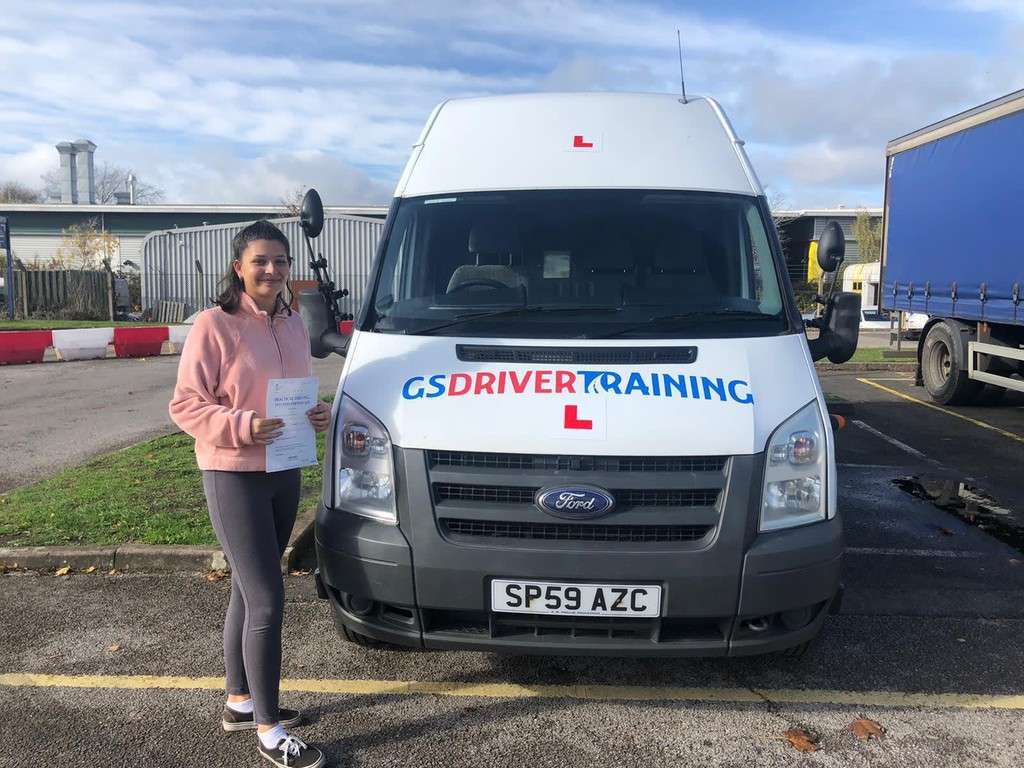

Driving a minibus involves more responsibility than simply getting from one destination to another. Drivers must consider passenger safety, vehicle handling, road conditions, and the comfort of everyone on board. For schools, charities, community groups, care organisations, and other passenger transport providers, suitable driver training can help maintain safe and reliable transport services.
MIDAS driver training, also known as the Minibus Driver Awareness Scheme (MiDAS), is designed to improve minibus driving standards through training and assessment. It helps drivers understand their responsibilities and develop the skills needed to transport passengers safely, legally, and comfortably. The scheme is managed and promoted by the Community Transport Association (CTA).
Whether you are a new minibus driver or an organisation responsible for transporting passengers, understanding the benefits of MIDAS training can help you decide whether it is suitable for your needs.
1. Improve Passenger Safety
Passenger safety is one of the main benefits of MIDAS driver training. Minibus drivers often transport children, older people, community members, or passengers who need additional assistance. Every journey requires careful driving and an understanding of potential risks.
Training helps drivers develop safer driving habits, recognise hazards, and understand their responsibilities towards passengers. It can also cover vehicle checks, passenger supervision, and appropriate responses to different road situations.
By improving their knowledge and driving practices, drivers can make more informed decisions and help reduce avoidable risks during journeys.
2. Build Confidence Behind the Wheel
Driving a minibus can feel different from driving a standard car. The vehicle is larger, visibility may be different, and manoeuvring requires greater awareness of the vehicle’s dimensions.
MIDAS training gives drivers an opportunity to develop their understanding of minibus controls, positioning, reversing, and general vehicle handling. The practical assessment also helps identify areas where a driver may need further improvement.
For new minibus drivers, this guidance can help build confidence. Experienced drivers may also benefit from reviewing their driving habits and receiving feedback on their performance.
Confidence should always be supported by safe driving practices, careful judgement, and compliance with road regulations.
3. Understand Legal Responsibilities
Minibus drivers must understand the rules and responsibilities that apply to their role. These can include driving licence entitlement, vehicle requirements, insurance conditions, and regulations relating to passenger transport.
MIDAS training helps drivers understand important responsibilities associated with operating a minibus. This knowledge is particularly useful for people driving on behalf of schools, charities, community groups, and other organisations.
However, completing MIDAS training does not automatically provide legal permission to drive every minibus. Drivers must hold the appropriate licence entitlement and meet all applicable legal requirements.
Organisations should check the relevant rules before allowing employees or volunteers to drive their vehicles.
4. Provide a More Comfortable Journey for Passengers
Safe transport is not only about avoiding accidents. Passengers should also feel comfortable throughout their journey.
Harsh braking, sudden acceleration, poor vehicle positioning, and inconsistent driving can make a journey uncomfortable, especially for older passengers or people with mobility difficulties.
MIDAS training encourages drivers to consider how their driving affects passengers. Smooth acceleration, controlled braking, suitable speed, and forward planning can all contribute to a more comfortable journey.
These skills are particularly important for organisations that regularly transport passengers to schools, medical appointments, community activities, and social events.
5. Improve Awareness of Vehicle Checks and Maintenance
Before starting a journey, drivers should ensure that their vehicle is safe and suitable for use. Basic checks can help identify potential problems before they affect passengers or disrupt a journey.
MIDAS training can cover vehicle familiarisation, safety checks, and the importance of identifying faults. Drivers learn to pay attention to the vehicle’s condition and understand when a problem should be reported.
Important checks may include:
Tyres, lights, and mirrors
Seat belts and passenger seating
Doors and emergency exits
Warning lights and dashboard indicators
Equipment required for the vehicle and journey
Following appropriate checking procedures helps organisations maintain safer vehicles and reduce the likelihood of preventable disruptions.
6. Support Schools, Charities, and Community Transport Organisations
Many organisations depend on minibuses to transport people to different destinations. Schools arrange educational trips, sports clubs take members to events, and charities provide transport for people who may otherwise struggle to travel independently.
MIDAS training can help these organisations establish a consistent approach to driver training and assessment.
Some key benefits for organisations include:
Improved awareness of passenger safety
Better understanding of driver responsibilities
More consistent driving standards
Greater confidence among passengers, parents, and carers
Support for internal transport safety procedures
Organisations should also review their insurance conditions, vehicle policies, and legal obligations to ensure that their transport arrangements meet the relevant requirements.
7. Develop Skills for Transporting Passengers with Additional Needs
Some minibus drivers regularly transport passengers who have disabilities or mobility difficulties. These journeys may require additional knowledge of accessibility, passenger assistance, and the safe use of suitable equipment.
Alongside MiDAS Standard, MiDAS Accessible training is available for drivers who transport disabled passengers, including wheelchair users. It provides additional training relevant to accessible passenger transport.
This training can help drivers understand the importance of safe procedures, respectful communication, and appropriate assistance. It can also help organisations prepare drivers for the specific needs of the passengers they transport.
Before choosing a course, organisations should check which training option matches their vehicles, passenger requirements, and intended duties.
8. Demonstrate a Commitment to Professional Driving Standards
For organisations that transport passengers regularly, driver training demonstrates a commitment to safety and responsible vehicle operation.
A structured training and assessment programme can help employers identify areas where drivers need support and encourage consistent working practices across their teams.
MiDAS certification can provide evidence that a driver has completed the relevant scheme requirements. However, organisations should remember that training certificates do not replace ongoing supervision, appropriate licensing, insurance, or compliance with workplace procedures.
Keeping driver records up to date and reviewing transport policies can further support a responsible approach to passenger transport.
Who Should Consider MIDAS Driver Training?
MIDAS training may be appropriate for drivers and organisations involved in minibus transport, including:
School minibus drivers: Staff transporting pupils for school activities, trips, and sporting events.
Charity and volunteer drivers: People providing transport for community groups and charitable organisations.
Care home staff: Employees involved in arranging or providing minibus transport for residents.
Sports clubs: Drivers taking teams and members to training sessions and competitions.
Community transport providers: Organisations helping people access local services and activities.
Workplace transport teams: Employees responsible for moving staff or other authorised passengers.
The appropriate course depends on the driver’s duties and the type of passenger transport provided. Drivers must also meet the relevant legal requirements for operating the vehicle.
What Does MIDAS Driver Training Include?
MiDAS Standard generally includes theory learning and a practical driving assessment. The training helps drivers understand their responsibilities, vehicle operation, passenger safety, and safe driving practices. Exact arrangements can vary by training provider.
An accessible training option is also available for drivers who transport passengers with disabilities, including wheelchair users. Official MiDAS training information provides further details about the available options.
Before enrolling, check the following:
Course requirements: Confirm the licence entitlement and eligibility requirements.
Theory training: Ask what learning materials and assessments are included.
Practical assessment: Check how the driving assessment is organised.
Course suitability: Choose training that reflects your passenger transport responsibilities.
Certification: Confirm the completion requirements and certificate arrangements.
How to Choose a MIDAS Driver Training Provider
Selecting a suitable training provider is important for both individual drivers and organisations. The course should be relevant to the type of minibus being operated and the responsibilities involved in transporting passengers.
When comparing providers, consider the following factors:
Training coverage: Check that the course covers relevant driving skills, passenger safety, and legal responsibilities.
Practical guidance: Confirm the arrangements for vehicle familiarisation and driving assessment.
Instructor experience: Ask about the instructors’ qualifications and experience delivering minibus driver training.
Accessibility requirements: If you transport passengers with disabilities, check whether additional accessible training is available.
Location and availability: Consider the training location, scheduling, and arrangements for group bookings.
For drivers and organisations in Surrey, GS Driver Training can be contacted to discuss suitable training options and current availability.
Book MIDAS Driver Training with GS Driver Training
If you drive a minibus or manage a team responsible for passenger transport, appropriate training can help improve safety awareness, vehicle handling, and understanding of driver responsibilities.
GS Driver Training provides driver training services in Surrey and can help you find out more about available options.
Frequently Asked Questions
1. What is MIDAS driver training?
MIDAS, commonly written as MiDAS, stands for the Minibus Driver Awareness Scheme. It is a training and assessment scheme intended to promote safer minibus driving and improve drivers’ knowledge of passenger safety and their responsibilities.
2. Is MIDAS training compulsory for minibus drivers?
MIDAS training is not a universal legal requirement for every minibus driver in the UK. However, an employer, organisation, or insurance provider may require it, and it may form part of an organisation’s transport safety policy. Drivers must still meet the applicable licensing and legal requirements.
3. How long does MIDAS driver training take?
The duration depends on the course, provider, and training arrangements. MiDAS Standard includes theory learning and a practical driving assessment. Contact the provider for the current schedule and expected completion time.
4. How long is a MIDAS certificate valid?
MiDAS certificates are generally valid for four years under the scheme’s current arrangements. Drivers and organisations should check the applicable certification requirements and any updates from their training provider.
5. Does MIDAS training allow me to drive any minibus?
No. Completing MIDAS training does not change your driving licence entitlement. You must meet the legal requirements for the specific vehicle and journey, including any applicable licence restrictions.
6. Is MIDAS Accessible training different from MIDAS Standard?
Yes. MiDAS Standard provides core minibus driver training, while MiDAS Accessible adds training for drivers who transport disabled passengers, including wheelchair users.
Final Thoughts
MIDAS driver training offers several potential benefits for minibus drivers, from improving passenger safety and vehicle handling to developing a better understanding of legal responsibilities. It can also help schools, charities, community groups, and other organisations maintain consistent approaches to driver training.
Choosing the right course depends on the driver’s experience, licence entitlement, and passenger transport duties. By investing in appropriate training and maintaining safe working practices, drivers and organisations can work towards safer, more comfortable, and more reliable minibus journeys.