
How does a single fertilised egg develop into a complex human being? Understanding this remarkable process is one of the most fascinating aspects of medical education. From fertilisation and embryonic development to the formation of organs and body systems, embryology explains how human life develops before birth.
For medical students, learning embryology is essential for understanding anatomy, developmental processes, and congenital abnormalities. However, remembering different developmental stages and connecting them with clinical conditions can be challenging. Choosing the best embryology books for medical students can make these concepts easier to study and understand.
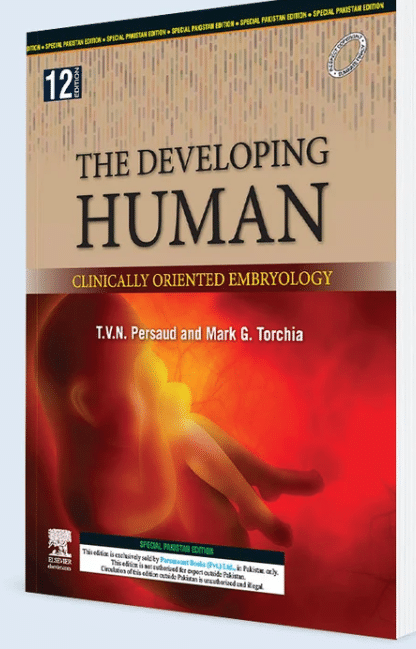
One notable resource is The Developing Human: Clinically Oriented Embryology (12th Edition), available through Paramount Books, a trusted publishing name established in 1948.
What Is Human Embryology?
Human embryology is the branch of medical science that studies the development of a human being from fertilisation through the embryonic and fetal stages.
It explains how cells divide, tissues develop, organs form, and different body systems become organised. Understanding these processes helps medical students learn how normal development occurs and why developmental abnormalities may arise.
Some important areas of human embryology include:
-
Fertilisation: The process through which the male and female reproductive cells combine.
-
Embryonic development: The early stages of development following fertilisation.
-
Germ layer formation: The development of the three primary germ layers that contribute to different body tissues and organs.
-
Organ development: The formation and organisation of major organ systems.
-
Fetal development: The growth and maturation of the developing human before birth.
These concepts provide the foundation for understanding prenatal development and developmental disorders.
Why Is Embryology Important for Medical Students?
Embryology is closely connected to anatomy, histology, and clinical medicine. It helps students understand not only how different structures develop but also how abnormalities can affect normal body formation.
Studying embryology can help medical students:
-
Understand the development of major organs and body systems.
-
Connect anatomical structures with their developmental origins.
-
Learn about congenital abnormalities and their possible causes.
-
Understand important stages of prenatal development.
-
Strengthen their foundational knowledge of developmental biology.
For students looking for the best medical books for Anatomy and Embryology, clinically oriented resources can help connect theoretical concepts with their relevance to medical practice.
Understanding Embryonic Development and Congenital Abnormalities
One of the important aspects of embryology is understanding how developmental processes influence the formation of the human body.
During prenatal development, different tissues and organs form through carefully coordinated biological processes. Changes or disruptions during these stages can sometimes result in congenital abnormalities.
For example, understanding neural tube development helps students learn about neural tube defects, while studying cardiac development provides a foundation for understanding certain congenital heart conditions.
This connection between normal development and developmental abnormalities makes clinical embryology particularly relevant to medical education.
Best Embryology Book for Medical Students: The Developing Human (12th Edition)
For students searching for a comprehensive clinical embryology textbook, The Developing Human: Clinically Oriented Embryology (12th Edition) is an important title to explore.
This textbook focuses on human development while connecting embryological concepts with their clinical significance. It provides a resource for understanding developmental stages and their relationship with medical conditions.
Why Explore The Developing Human: Clinically Oriented Embryology?
-
Human development: Study the processes involved in prenatal human development.
-
Clinical relevance: Connect embryological knowledge with clinical conditions.
-
Developmental concepts: Strengthen understanding of embryonic and fetal development.
-
Medical education: Supplement Anatomy and Embryology studies with a clinically oriented textbook.
For students searching for top embryology books for medical students, this title is worth considering as part of their medical study resources.
You can explore The Developing Human: Clinically Oriented Embryology (12th Edition) through Paramount Books.
How to Study Embryology More Effectively
Embryology involves several developmental stages, structures, and processes. A systematic study approach can make these topics easier to understand and revise.
Here are five useful study tips:
-
Follow the developmental sequence: Study human development chronologically, starting with fertilisation.
-
Use diagrams: Visualise developmental stages and the formation of different organs.
-
Understand germ layers: Learn how ectoderm, mesoderm, and endoderm contribute to body structures.
-
Connect development with clinical conditions: Relate embryological processes to congenital abnormalities.
-
Revise regularly: Revisit important developmental stages and concepts to strengthen retention.
Using reliable human embryology textbooks alongside diagrams, lecture notes, and regular revision can help build a stronger understanding of the subject.
Where to Buy Embryology Books Online in Pakistan?
Finding reliable medical textbooks is an important part of medical education. Students looking for embryology books in Pakistan can explore the medical publications available through Paramount Books.
Established in 1948, Paramount Books offers a range of educational and medical publications for students, healthcare professionals, and academic readers.
Explore the Paramount Medical Books collection to discover medical textbooks covering Anatomy, Clinical Medicine, and other essential subjects.
You can also explore The Developing Human: Clinically Oriented Embryology (12th Edition) at Paramount Books and find resources to support your medical studies.
Frequently Asked Questions (FAQs)
1. Which are the best embryology books for medical students?
Medical students should consider textbooks that explain human development and connect embryological concepts with clinical applications. The Developing Human: Clinically Oriented Embryology (12th Edition) is one title to explore.
2. What is clinical embryology?
Clinical embryology studies human development and its relevance to medical conditions, including congenital abnormalities and developmental disorders.
3. Why is embryology important in Anatomy?
Embryology explains how different anatomical structures develop, helping students understand their origins and the causes of certain developmental abnormalities.
4. What is the difference between embryonic and fetal development?
The embryonic period focuses on early development and the formation of major body structures, while the fetal period primarily involves growth and maturation.
5. Which book covers clinically oriented human embryology?
The Developing Human: Clinically Oriented Embryology (12th Edition) is a textbook dedicated to human development and its clinical significance.
6. Where can I buy embryology books online in Pakistan?
You can explore medical textbooks through Paramount Books, including publications related to Anatomy and other medical sciences.