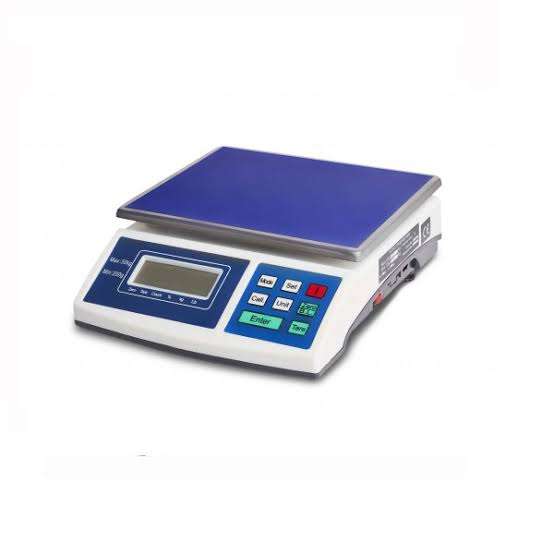

Accurate weight measurement is an important part of daily business operations, particularly in industries where product quantities, material portions, and packaging weights must remain consistent. A Table Top Weighing Scale in UAE offers a convenient solution for businesses that need dependable measurements without installing large weighing equipment. Its compact structure makes it suitable for counters, workstations, laboratories, production areas, and commercial environments where space and measurement accuracy both matter.
As businesses across the UAE continue to improve their operational standards, choosing suitable weighing equipment has become an important purchasing decision. A well-selected scale can support consistent results, simplify routine tasks, and help employees manage different weighing requirements more effectively.
Understanding the Purpose of a Table Top Weighing Scale
A table top weighing scale is a compact instrument designed to measure the weight of products and materials on a flat working surface. Most digital models use electronic weighing sensors to detect the applied load and display the measurement on a digital indicator.
These scales are available in different capacities, platform dimensions, and configurations. Some are designed for general commercial weighing, while others offer more specialized functions for counting small components, measuring ingredients, or handling products in production environments.
Their practical design allows businesses to position weighing equipment close to the point where measurements are needed. This can reduce unnecessary movement between workstations and make everyday weighing activities easier to manage.
Industries That Benefit from Table Top Scales
Different industries require different weighing methods. Table top equipment is particularly useful when products can be handled comfortably on a compact platform.
Food Preparation and Processing
Restaurants, catering companies, bakeries, and food processing businesses regularly measure ingredients to maintain consistent portions and recipes. Accurate weighing helps employees control ingredient quantities and reduce unnecessary waste.
For these applications, businesses should consider platform materials and construction that are appropriate for their cleaning routines. Where moisture or frequent washing is expected, a model specifically designed for such conditions may be more suitable.
Retail and Commercial Businesses
Retail stores and other commercial establishments may use compact weighing equipment to measure products, manage stock quantities, and perform routine checks. A clear display and straightforward operation can help employees complete weighing tasks efficiently.
Businesses that sell goods according to weight should also confirm that their selected equipment meets the applicable commercial measurement requirements in the UAE.
Warehousing and Packaging
Packaging departments often need to measure individual items, small cartons, and product batches before dispatch. A table top scale can help employees check package weights and identify differences between expected and actual quantities.
Using a consistent weighing procedure can also improve stock handling and reduce mistakes during packing operations.
Manufacturing and Assembly
Manufacturing facilities may use compact scales to measure components, raw materials, samples, and smaller finished products. These measurements can support production checks and help employees maintain consistent material quantities.
Important Factors That Affect Weighing Performance
Purchasing a suitable scale is only one part of achieving reliable measurements. The way equipment is installed and operated can also influence its performance.
Stable Installation Surface
A weighing scale should be placed on a firm, level surface. Uneven workbenches, loose platforms, and unstable tables can affect measurement results. Businesses should choose an installation location where the equipment remains steady during operation.
Environmental Conditions
Temperature changes, air movement, vibration, dust, and moisture can influence certain weighing instruments. For this reason, the operating environment should be considered before selecting a model.
For example, a scale used near production machinery may require a more carefully selected installation position to reduce vibration. Similarly, food-related environments may require equipment with suitable protection against moisture and frequent cleaning.
Correct Product Placement
Items should be placed carefully in the centre of the weighing platform whenever possible. Employees should avoid touching the product or platform while a measurement is being taken because external pressure can affect the displayed reading.
Regular Operator Practices
Employees should understand how to switch on the equipment, check the zero reading, use the tare function, and recognize unusual measurements. Consistent operating procedures can reduce avoidable errors and improve measurement repeatability.
Understanding Capacity, Readability, and Platform Size
Three important specifications deserve attention when comparing table top weighing equipment.
Capacity refers to the maximum load a scale is designed to measure. Businesses should identify the heaviest products they expect to weigh and select equipment with an appropriate capacity.
Readability refers to the smallest displayed weight increment. A scale displaying smaller increments may be suitable for applications requiring more detailed measurements, but the required level depends on the task and the instrument’s specifications.
Platform size determines how comfortably products can be placed on the weighing surface. A platform that is too small may make routine weighing inconvenient, while an unnecessarily large model may occupy valuable workspace.
Evaluating these specifications together helps businesses avoid choosing equipment that does not match their actual requirements.
Useful Functions That Support Daily Operations
Modern table top scales may include different functions depending on the model and intended application. Businesses should select features according to their practical needs rather than paying for functions they will rarely use.
Common options include:
- Tare function: Allows the weight of a container to be excluded when measuring its contents.
- Zero function: Helps bring the display back to zero under appropriate operating conditions.
- Counting function: Supports counting multiple similar items using their average unit weight.
- Multiple weighing units: Allows measurements to be displayed in supported units, such as kilograms or grams.
- Battery operation: Provides flexibility where a permanent power connection is inconvenient.
- Overload indication: Alerts operators when the applied load exceeds the instrument’s permitted capacity.
The availability of these functions varies between models, so specifications should always be checked before purchasing.
Why Proper Verification and Maintenance Matter
A weighing instrument should be checked regularly to help maintain dependable performance. Businesses can establish routine inspection procedures that include checking the platform, display, power supply, and general condition of the equipment.
Calibration and verification should also be considered according to the instrument’s application and relevant requirements. In the UAE, Cabinet Resolution No. 84 of 2023 sets technical requirements for applicable non-automatic weighing instruments. It also places responsibility on owners using covered instruments for commercial activities to ensure that valid verification requirements are met.
For better equipment care, businesses should:
- Clean the weighing platform using suitable methods.
- Avoid placing loads beyond the recommended capacity.
- Keep the instrument away from unnecessary vibration and impact.
- Check for damaged cables, loose connections, or unusual readings.
- Arrange appropriate calibration and verification when required.
- Maintain records of relevant maintenance activities.
These practices can help businesses identify potential problems early and maintain more consistent weighing operations.
How to Compare Suppliers Before Purchasing
Choosing a weighing equipment supplier is an important part of the purchasing process. Businesses should compare more than the initial equipment price and examine whether the proposed model matches their operating requirements.
Start by sharing the type of products being weighed, their approximate weight range, and the required measurement precision. Explain whether the scale will be used in a retail counter, food preparation area, warehouse, or production facility.
It is also useful to ask about available capacities, platform dimensions, construction materials, power options, and relevant compliance requirements. Businesses should confirm product availability, warranty terms, and after-sales support directly with the supplier.
A clear understanding of these details can make purchasing decisions more practical and reduce the risk of selecting unsuitable equipment.
Why Consider Al Falah Scales?
Al Falah Scales provides weighing equipment solutions for commercial and industrial requirements in the UAE. Businesses looking for suitable weighing equipment can consider their operational needs, product types, required capacity, and measurement expectations before selecting a model.
When evaluating a table top scale, it is important to focus on practical specifications, dependable measurements, and suitability for the intended working environment. Choosing equipment according to these factors can help businesses establish more consistent weighing procedures and support their everyday operations.
Conclusion
A table top weighing scale is a useful investment for businesses that need convenient and consistent weight measurements in limited working spaces. From food preparation and retail activities to packaging, warehousing, and manufacturing, the right equipment can support better quantity control and more organized operations. By considering capacity, readability, platform dimensions, environmental conditions, and maintenance requirements, businesses can select a suitable weighing solution for their needs in the UAE.
FAQs
1. What should I consider before buying a table top weighing scale?
Consider the maximum weighing capacity, readability, platform dimensions, operating environment, power options, and functions required for your daily tasks.
2. Can table top weighing scales be used in food businesses?
Yes. They can be used for measuring ingredients, portions, and food products. Businesses should select a model with suitable construction and protection for their cleaning and operating conditions.
3. How can I maintain accurate readings from a table top scale?
Place the scale on a stable, level surface, avoid overloading it, keep the platform clean, follow the manufacturer’s instructions, and arrange appropriate calibration or verification when required.