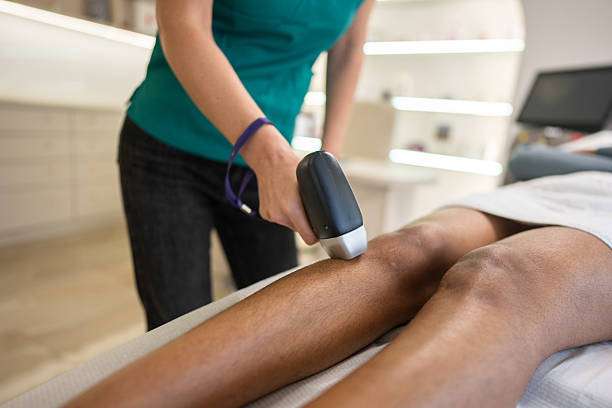

Knowing what happens during an aesthetic procedure can make the experience easier to understand and prepare for. Laser Treatment in Dubai follows a series of steps designed to identify the treatment objective, select suitable technology, prepare the skin, and deliver controlled energy to the intended area.
The exact procedure varies according to the laser application. Hair reduction, pigmentation treatment, tattoo removal, and skin resurfacing do not follow identical protocols. However, professional laser treatment generally involves consultation, skin assessment, preparation, treatment delivery, and aftercare.
Step 1: Initial Consultation and Treatment Goals
The process begins with a discussion about the patient’s concerns and desired outcome. The specialist needs to understand what the patient hopes to improve and whether laser treatment is a suitable option.
During this conversation, patients may discuss:
-
The main skin or aesthetic concern.
-
Previous treatments and their results.
-
Desired level of improvement.
-
Available time for recovery.
-
Concerns about discomfort or side effects.
-
Relevant medical history.
This stage is important because some concerns have several possible treatment options. A patient seeking smoother skin, for example, may require a different approach from someone primarily concerned about pigmentation.
Step 2: Detailed Skin and Medical Assessment
Before recommending a procedure, the specialist examines the treatment area and reviews relevant health information.
Skin tone, sensitivity, pigment distribution, and previous reactions to cosmetic procedures can influence the treatment decision. The specialist may also ask about medications, skincare products, recent sun exposure, and any active skin conditions.
This assessment helps identify potential risks and determine whether treatment should proceed, be modified, or be postponed.
Laser Treatment in Dubai and Skin Suitability
Skin suitability is particularly important when the laser interacts with melanin. Some wavelengths can affect pigment in the surrounding skin as well as the intended target.
Patients with darker skin tones or a history of post-inflammatory hyperpigmentation may need careful device selection and conservative settings. A test spot may be recommended depending on the procedure.
Step 3: Selecting the Appropriate Laser Technology
Once the concern has been assessed, the specialist identifies a suitable treatment approach.
Different technologies have different applications:
-
Diode and Alexandrite systems: Commonly used for selected hair-reduction applications.
-
CO2 lasers: Used for certain ablative resurfacing procedures.
-
Fractional lasers: Used for selected textural concerns and resurfacing.
-
Picosecond lasers: May be considered for certain pigment concerns and tattoo removal.
-
Other vascular laser systems: Designed to target selected visible blood vessels.
These categories are not interchangeable. The correct device depends on the target, skin characteristics, and clinical objective.
Step 4: Reviewing Risks and Obtaining Informed Consent
Before treatment begins, the specialist should explain the procedure, expected benefits, limitations, and possible complications.
Potential side effects vary by technology but may include redness, swelling, temporary discomfort, pigment changes, blistering, infection, and scarring.
The patient should have time to ask questions and understand the recovery requirements. Treatment should proceed only when the patient understands the plan and agrees to it.
Step 5: Preparing the Treatment Area
The treatment area is prepared according to the procedure. This may involve cleansing the skin and removing products that could interfere with laser delivery.
For some procedures, topical numbing cream or another comfort measure may be considered. The need depends on treatment depth, location, and expected sensation.
Protective eyewear is essential during laser procedures. The patient and relevant staff should use appropriate eye protection designed for the device being used.
Preparation instructions may also differ depending on the treatment. Hair-reduction procedures, for example, may require shaving beforehand, while resurfacing procedures may involve a different skincare preparation plan.
Read More: Understanding the Mammogram in Dubai Procedure Step by Step
Step 6: Applying the Laser Treatment
During treatment, the specialist uses the selected device to deliver controlled energy to the target area.
The exact technique depends on the procedure. A hair-reduction session involves directing energy towards selected hair-bearing areas, while resurfacing may involve systematic passes across the skin.
Patients may experience warmth, tingling, brief snapping sensations, or temporary discomfort. Sensation varies according to the device, treatment area, and individual tolerance.
The specialist monitors the skin’s response and follows the treatment protocol. Energy settings should not be increased simply to create a stronger sensation.
Step 7: Immediate Post-Treatment Assessment
After the laser procedure, the treated area is checked for an expected skin response. Temporary redness or warmth may occur, depending on the technology.
The specialist may apply an appropriate soothing or protective product and explain what changes are normal during the early recovery period.
If an unexpected reaction occurs, the treatment team should assess it and provide appropriate instructions.
Step 8: Following the Aftercare Plan
Aftercare is an important part of the procedure. The correct instructions depend on whether the treatment involved hair reduction, pigment targeting, or resurfacing.
General recommendations may include:
-
Avoiding direct sun exposure.
-
Using sunscreen as instructed.
-
Keeping the treated area clean.
-
Applying recommended moisturisers or recovery products.
-
Avoiding aggressive exfoliation.
-
Not picking or scratching peeling skin.
-
Following restrictions on heat, exercise, or swimming where advised.
Patients should avoid introducing strong active skincare ingredients immediately after treatment unless the specialist confirms they are appropriate.
Step 9: Monitoring Healing and Treatment Response
The skin’s response develops over time. The specialist may recommend a review appointment to assess healing and determine whether additional sessions are appropriate.
For hair reduction, treatment intervals are generally planned around hair growth cycles. Tattoo removal and some pigment procedures also require time between sessions to allow the body to clear treated pigment.
Resurfacing treatments may be assessed after the skin has recovered sufficiently. Results should not be judged too early, especially when collagen remodelling is part of the intended response.
Step 10: Planning Further Sessions or Maintenance
Some laser procedures are designed as a course of treatments, while others may be performed as a single session or repeated according to clinical need.
The specialist should explain the expected number of appointments and the reasons for spacing them apart. Repeating treatment too soon may increase irritation or other complications.
Maintenance may also be appropriate for certain concerns, particularly when the underlying causes continue to affect the skin.
What Can Influence the Overall Treatment Experience?
Several factors can affect the procedure and recovery:
-
Type of laser and treatment objective.
-
Size and location of the treatment area.
-
Skin tone and sensitivity.
-
Depth and severity of the concern.
-
Previous cosmetic procedures.
-
Individual healing response.
-
Consistency with preparation and aftercare instructions.
Understanding these factors helps patients develop realistic expectations rather than comparing their treatment with someone else’s experience.
Clinic Note
A professional laser procedure is a planned clinical process, not simply the application of a device to the skin. Consultation, patient selection, protective measures, appropriate settings, and recovery guidance are all important. Patients should receive clear information about the specific procedure being recommended.
Frequently Asked Questions
Does every laser treatment follow the same procedure?
No. Hair reduction, tattoo removal, pigmentation treatment, and skin resurfacing require different techniques and preparation. The steps depend on the technology and clinical objective.
Is protective eyewear necessary during laser treatment?
Yes. Appropriate protective eyewear is an essential safety measure during laser procedures. The type of protection must be suitable for the device being used.
Will the skin look red immediately after treatment?
Temporary redness and warmth can occur, but the response varies. Some procedures cause more noticeable swelling, peeling, or sensitivity than others.
Can I apply makeup after laser treatment?
This depends on the procedure and the condition of the skin. Makeup may need to be avoided during early recovery, particularly after resurfacing. Follow the treating professional’s instructions.
How soon can I schedule another session?
The interval depends on the treatment type and healing response. Hair reduction, tattoo removal, and resurfacing each have different scheduling requirements.
Begin Your Laser Treatment Journey at Tajmeels Clinic
Understanding the treatment process helps patients prepare for each stage, from consultation to recovery. Tajmeels Clinic encourages patients to discuss their skin concerns, suitable technologies, and aftercare requirements before proceeding. If you are considering Laser Treatment in Dubai, a personalised assessment can help establish a treatment plan based on your individual needs.