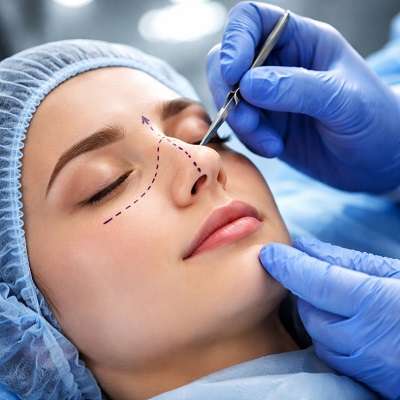

Choosing to undergo rhinoplasty is an important personal decision that requires careful consideration, proper research, and realistic expectations. Rhinoplasty, commonly called a nose job, is a surgical procedure that changes the shape, size, or structure of the nose. Some individuals consider it to improve facial balance, while others seek treatment for structural concerns that affect nasal breathing. Regardless of the reason, understanding the procedure before making a decision is essential.
For individuals considering Rhinoplasty Surgery in Oman, one of the most important steps is knowing which questions to ask during a consultation. A detailed discussion with a qualified surgeon can help patients understand the surgical approach, possible outcomes, recovery requirements, and potential risks. Asking the right questions also allows individuals to make informed decisions and feel more confident about their treatment journey.
A rhinoplasty consultation should be an opportunity to discuss personal concerns openly rather than simply agree to a surgical plan. The following ten questions can help patients prepare for this important conversation.
1. Am I a Suitable Candidate for Rhinoplasty?
The first question patients should ask is whether rhinoplasty is appropriate for their individual needs. Although many people may wish to change the appearance of their nose, not everyone is automatically a suitable candidate for surgery.
A qualified surgeon generally evaluates several factors before recommending rhinoplasty, including:
-
Overall physical health and medical history.
-
Nasal structure and facial proportions.
-
Skin thickness and tissue characteristics.
-
Existing breathing difficulties or structural abnormalities.
-
Previous nasal injuries or surgeries.
-
Personal expectations and aesthetic goals.
Age is another important consideration. Rhinoplasty is generally recommended after facial growth is sufficiently complete. The appropriate timing varies between individuals.
Patients should also discuss any existing medical conditions, allergies, medications, or previous surgical complications. These details help the surgeon assess whether the procedure can be performed safely.
A suitable candidate should have realistic expectations and understand that rhinoplasty aims to improve nasal appearance or function rather than create absolute perfection.
2. What Type of Rhinoplasty Technique Will Be Used?
Rhinoplasty can be performed using different surgical approaches, and the most appropriate technique depends on the patient’s nasal anatomy and desired results.
Two commonly used approaches include open and closed rhinoplasty.
Open Rhinoplasty
Open rhinoplasty involves a small incision across the columella, the tissue separating the nostrils. This approach allows the surgeon to lift the nasal skin and obtain a clearer view of the underlying structures.
It may be suitable for patients who require more detailed reshaping or complex structural adjustments.
Closed Rhinoplasty
Closed rhinoplasty involves incisions made inside the nostrils. Because there is no external columellar incision, this approach avoids a visible external surgical scar.
It may be appropriate for selected patients whose nasal concerns can be addressed through this technique.
Patients should ask why a particular approach is recommended and how it may affect recovery, scarring, swelling, and the expected outcome.
Understanding the surgical method helps individuals develop realistic expectations about the procedure.
3. What Results Can Be Expected After Rhinoplasty?
One of the most important questions concerns the results of surgery. Patients often have a particular nasal shape or appearance in mind, but the final outcome depends on several anatomical and surgical factors.
A surgeon should explain what improvements may realistically be achieved based on the patient’s existing nasal structure.
Rhinoplasty may help address concerns such as:
-
A prominent nasal hump.
-
A wide or asymmetrical nose.
-
An uneven nasal bridge.
-
A drooping or bulky nasal tip.
-
Certain structural irregularities.
-
Nasal deformities caused by previous injuries.
However, the nose must remain proportionate to the rest of the face. A change that looks attractive on one individual may not suit another person’s facial features.
Patients can ask whether photographs, digital imaging, or other visual planning methods are available to help discuss their goals. Such images may provide a general illustration of possible changes, but they cannot guarantee the exact surgical result.
It is also important to understand that the final appearance develops gradually as postoperative swelling settles.
4. What Are the Potential Risks and Complications?
Every surgical procedure carries certain risks, and rhinoplasty is no exception. Patients should receive clear information about possible complications before deciding to proceed.
Potential risks associated with rhinoplasty include:
-
Infection.
-
Bleeding.
-
Reactions to anesthesia.
-
Scarring.
-
Persistent swelling.
-
Changes in nasal sensation.
-
Difficulty breathing.
-
Nasal asymmetry or irregularities.
-
Dissatisfaction with the aesthetic outcome.
-
The possible need for revision surgery.
Although serious complications are not experienced by every patient, understanding these possibilities is essential for informed consent.
Patients should ask which risks are most relevant to their individual circumstances and what measures are taken to reduce them.
They should also understand how complications are managed if they occur after surgery.
An open discussion about risks helps establish realistic expectations and encourages responsible decision-making.
5. How Much Pain and Discomfort Should Be Expected?
Many individuals feel nervous about the possibility of pain during or after rhinoplasty. Asking about discomfort can help patients prepare mentally and physically for the procedure.
Rhinoplasty is usually performed under general anesthesia, meaning patients are asleep during the operation and do not experience surgical pain. In selected cases, another anesthesia approach may be appropriate.
After surgery, patients may experience:
-
Mild to moderate discomfort.
-
Swelling around the nose and eyes.
-
Temporary bruising.
-
Nasal congestion.
-
Facial pressure.
-
Tenderness around the surgical area.
Most patients describe the early recovery experience as uncomfortable rather than extremely painful.
The surgeon should explain which medications may be recommended, how discomfort can be managed, and which symptoms require medical attention.
Patients should also ask whether there are specific precautions to follow when sleeping, washing the face, or performing everyday activities.
Knowing what to expect can reduce unnecessary anxiety during recovery.
6. How Long Will Recovery Take?
Recovery is an important consideration because rhinoplasty requires patience and proper aftercare. Although many patients resume light daily activities relatively soon, complete healing takes considerably longer.
The recovery timeline varies according to the surgical technique, extent of correction, and individual healing response.
First Week
Swelling, bruising, congestion, and tenderness are common. A nasal splint may be used to support and protect the nose. Patients generally need to rest and avoid activities that could affect healing.
Second Week
Visible bruising and much of the initial swelling usually begin to improve. Some individuals may feel comfortable returning to work or other light activities, depending on their recovery.
Weeks Three to Six
The nose gradually becomes more comfortable, although some swelling and sensitivity may remain. Strenuous exercise and contact sports should only be resumed when approved by the surgeon.
Several Months After Surgery
The nasal shape continues to refine as deeper tissues heal and swelling decreases. The nasal tip may take particularly long to settle.
Final results can take approximately 12 months or longer to become fully visible.
Patients should ask about their expected recovery timeline, follow-up schedule, and restrictions based on the specific procedure.
7. Will Rhinoplasty Improve My Breathing?
Rhinoplasty is often associated with cosmetic improvements, but some procedures also address functional nasal problems.
Patients experiencing persistent nasal obstruction should discuss whether their breathing difficulties are caused by structural issues.
Possible causes include:
-
A deviated nasal septum.
-
Narrow nasal passages.
-
Structural abnormalities.
-
Certain conditions affecting the nasal valves.
-
Previous nasal injuries.
Depending on the underlying problem, a surgeon may recommend functional rhinoplasty, septoplasty, or a combination of procedures.
It is important to distinguish between cosmetic and functional goals. Cosmetic rhinoplasty focuses primarily on appearance, while functional surgery aims to improve nasal airflow.
Patients should ask whether their breathing concerns can be addressed during the same operation and what improvements are realistically possible.
They should also understand that surgery cannot guarantee the complete elimination of every breathing problem, particularly when other medical conditions contribute to nasal congestion.
8. What Should Be Done Before Surgery?
Proper preparation can help reduce surgical risks and support a smoother recovery.
Patients should ask for a clear list of preoperative instructions and discuss any health concerns before the procedure.
Preparation may involve:
-
Providing a complete medical history.
-
Informing the surgeon about current medications and supplements.
-
Discussing smoking or nicotine use.
-
Completing recommended medical assessments.
-
Following fasting instructions before anesthesia.
-
Arranging transportation after surgery.
-
Preparing a comfortable recovery area at home.
Certain medications and supplements may increase bleeding risk. Patients should never stop prescribed medication independently; any changes must be discussed with the relevant healthcare professional.
Smoking and nicotine use can also interfere with wound healing. Patients should ask how long before and after surgery they should avoid them.
A clear preparation plan helps patients understand their responsibilities and avoid unnecessary complications.
9. What Aftercare and Follow-Up Will Be Required?
Rhinoplasty does not end when the surgical procedure is completed. Proper postoperative care is essential for protecting the nose and supporting the healing process.
Patients should ask about the follow-up schedule and what assistance will be available during recovery.
Important aftercare recommendations may include:
-
Keeping the head elevated while resting.
-
Sleeping on the back during the initial recovery period.
-
Avoiding pressure or accidental impacts to the nose.
-
Following instructions for nasal cleaning.
-
Avoiding strenuous exercise until medically cleared.
-
Protecting the nose from direct sunlight.
-
Taking recommended medication as instructed.
-
Attending all scheduled follow-up appointments.
Patients should also ask when nasal splints or dressings will be removed, when normal activities can resume, and how to contact the surgical team if concerns develop.
Understanding aftercare requirements helps individuals plan their recovery and avoid activities that could interfere with the results.
10. What Happens If the Results Are Not as Expected?
Although rhinoplasty aims to achieve the agreed surgical goals, the healing process can sometimes produce results that differ from initial expectations.
Swelling, tissue changes, scar formation, and individual healing patterns can influence the final nasal appearance.
Patients should ask how the surgeon evaluates the final outcome and what options may be available if an unwanted concern remains.
Revision rhinoplasty may be considered in selected cases when there are persistent functional or aesthetic problems. However, additional surgery is not always necessary or appropriate.
The nose generally needs sufficient time to heal before any revision procedure is considered. Surgeons often recommend waiting at least 12 months, depending on the circumstances.
Patients should also ask about the limitations of revision surgery, potential risks, and whether the original concern can realistically be corrected.
An honest conversation about possible outcomes and future treatment options can help patients make decisions with greater confidence.
Frequently Asked Questions About Rhinoplasty Surgery
1. How should patients prepare for a rhinoplasty consultation?
Patients should prepare by listing their nasal concerns, aesthetic goals, medical conditions, medications, allergies, and previous surgical history. Bringing photographs that illustrate their preferences may also help communicate expectations. Preparing questions in advance makes the consultation more productive.
2. Is rhinoplasty suitable for both cosmetic and functional concerns?
Yes. Rhinoplasty may address cosmetic concerns, structural abnormalities, or both. Some patients undergo surgery to improve nasal appearance, while others require structural corrections to support better breathing. The appropriate treatment depends on an individual medical assessment.
3. How long does a rhinoplasty procedure take?
The duration depends on the complexity of the surgery and the techniques involved. Many procedures take approximately one to three hours, although more complex operations may require additional time.
4. When can patients see the final results of rhinoplasty?
Initial improvements may become noticeable after the first few weeks as bruising and swelling decrease. However, complete refinement takes longer. Final results commonly develop over 12 months, and some patients may require additional time.
5. Can rhinoplasty change the entire appearance of the face?
Rhinoplasty primarily changes the nose, but even subtle adjustments can influence overall facial balance and proportions. The aim is generally to create a nose that complements the individual’s existing facial features rather than dramatically change their identity.
6. Is revision rhinoplasty always necessary if a patient is unhappy with the result?
No. Early dissatisfaction may be related to temporary swelling or the natural healing process. Revision surgery is considered only when a persistent concern remains and further treatment is appropriate. A thorough evaluation is necessary before making this decision.
Final Thoughts
Rhinoplasty is a significant surgical decision, and asking the right questions before treatment can make the experience more informed and less stressful. Understanding candidacy, surgical techniques, expected results, potential complications, pain management, and recovery requirements allows patients to approach the procedure with realistic expectations.
A detailed consultation is an opportunity to discuss personal goals, clarify uncertainties, and understand the benefits and limitations of surgery. Patients should feel comfortable asking questions and should receive clear explanations before providing consent.
Ultimately, successful rhinoplasty planning involves more than choosing a desired nose shape. It requires careful assessment, appropriate surgical planning, realistic expectations, and a commitment to postoperative care.
Read More About Rhinoplasty Surgery : https://neorural.es/read-blog/112384