
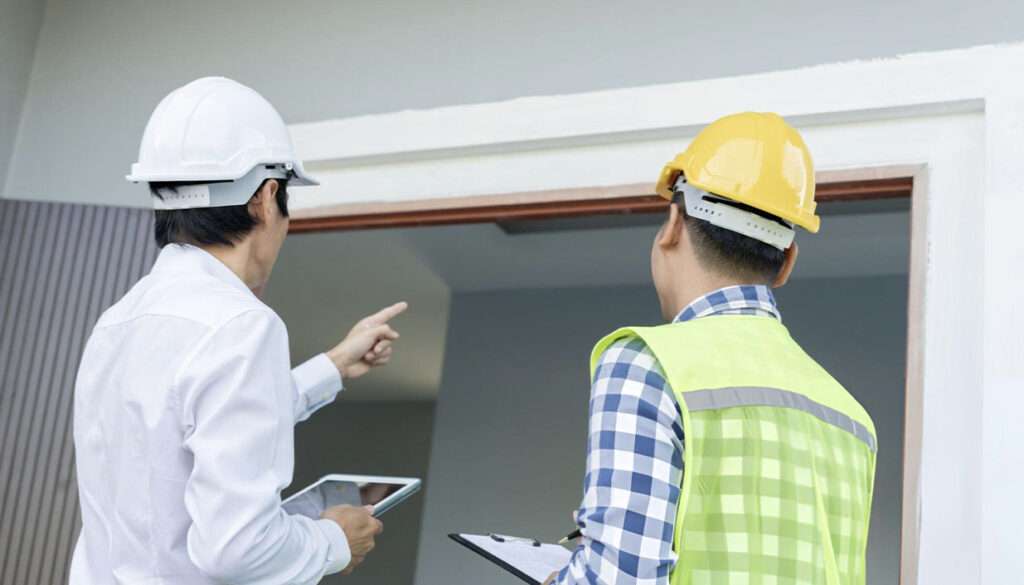

Property inspection is one of the most critical steps in any real estate transaction. Whether you’re buying your first home, selling a commercial building, managing rental properties, or investing in real estate, a professional property inspection provides valuable insights into the actual condition of a property. It helps identify hidden defects, structural issues, safety concerns, and maintenance requirements before they become expensive problems.
A detailed property inspection protects buyers from making costly mistakes, helps sellers build trust with potential buyers, and enables property owners to maintain their investments efficiently. In today’s competitive real estate market, a comprehensive inspection report is more than just a document—it is an essential decision-making tool that offers confidence, transparency, and financial security.
What Is Property Inspection?
Property inspection is a systematic evaluation of a property’s physical condition conducted by a qualified or certified inspector. The inspector carefully examines the structure, systems, and components of a residential, commercial, or industrial property to determine their current condition and identify existing or potential problems.
Unlike a property appraisal, which determines market value, a property inspection focuses solely on the property’s condition. The inspection covers everything from the foundation to the roof, including electrical systems, plumbing, HVAC equipment, insulation, doors, windows, walls, ceilings, flooring, and exterior structures.
The primary objective is to provide buyers, sellers, investors, landlords, and property managers with an accurate understanding of the property’s strengths, weaknesses, maintenance needs, and possible repair costs.
Why Is Property Inspection Important?
A property inspection protects everyone involved in a real estate transaction. Buyers gain confidence knowing they understand the property’s actual condition before making a financial commitment. Sellers can identify and repair issues before listing the property, reducing delays and improving buyer confidence.
Regular inspections also help property owners maintain the value of their investment by identifying problems before they worsen. Hidden plumbing leaks, damaged roofing, faulty electrical systems, foundation movement, pest infestations, mold growth, and poor insulation can lead to expensive repairs if left unnoticed.
Property inspections also contribute to occupant safety by identifying fire hazards, structural weaknesses, gas leaks, electrical faults, and environmental risks.
Types of Property Inspection
Different properties require different types of inspections depending on their purpose and stage of ownership.
A pre-purchase property inspection is performed before buying a home or commercial building to uncover hidden defects.
A pre-listing inspection helps sellers identify maintenance issues before putting a property on the market.
A new construction inspection ensures that newly built properties meet construction standards and building codes before occupancy.
A rental property inspection documents the property’s condition before and after tenant occupancy while helping landlords protect their investments.
A commercial property inspection evaluates office buildings, warehouses, shopping centers, factories, and other commercial facilities.
Specialized inspections may include roof inspections, electrical inspections, plumbing inspections, HVAC inspections, termite inspections, mold inspections, asbestos inspections, sewer line inspections, chimney inspections, and energy efficiency assessments.
What Does a Property Inspector Check?
A professional property inspector evaluates nearly every accessible part of a building.
The structural inspection includes foundations, walls, ceilings, floors, beams, columns, staircases, and load-bearing components. Roofing inspections examine shingles, flashing, gutters, drainage systems, skylights, and attic ventilation.
Electrical inspections assess wiring, electrical panels, outlets, switches, grounding systems, circuit breakers, smoke detectors, and overall electrical safety.
Plumbing inspections include water supply lines, drainage systems, water heaters, fixtures, faucets, toilets, sinks, and leak detection.
HVAC inspections evaluate heating systems, air conditioning units, ventilation, ductwork, thermostats, filters, and overall system performance.
Inspectors also examine insulation, windows, doors, garages, balconies, decks, driveways, fencing, exterior siding, landscaping, and visible signs of moisture damage or pest activity.
Property Inspection Process
The property inspection process begins with scheduling an appointment between the client and a licensed property inspector.
The inspector performs a detailed visual assessment of all accessible areas while documenting findings with notes and photographs. Modern inspectors often use advanced tools such as thermal imaging cameras, moisture meters, infrared scanners, electrical testers, drones, and gas detection equipment to identify hidden issues that cannot be seen with the naked eye.
After completing the inspection, the inspector prepares a comprehensive inspection report detailing observed defects, safety hazards, recommended repairs, maintenance suggestions, and photographs supporting the findings.
This report becomes an essential resource for negotiating repairs, planning maintenance, or deciding whether to proceed with a property purchase.
Property Inspection Checklist
A complete property inspection includes evaluating the foundation, roof, attic, walls, ceilings, flooring, insulation, plumbing systems, electrical systems, HVAC equipment, windows, doors, drainage systems, gutters, siding, garage doors, fencing, balconies, patios, driveways, appliances, smoke alarms, carbon monoxide detectors, ventilation systems, moisture levels, mold growth, pest infestations, and overall structural integrity.
A thorough inspection checklist ensures no major component is overlooked.
Benefits of Property Inspection
Property inspections offer significant financial, legal, and practical benefits.
Buyers gain negotiating power by requesting repairs or price reductions based on inspection findings. Sellers can address issues before listing their property, increasing buyer confidence and reducing transaction delays.
Property inspections also improve safety by identifying electrical hazards, structural weaknesses, gas leaks, mold contamination, and water damage.
Investors benefit by estimating future maintenance costs and calculating long-term return on investment more accurately.
Insurance companies may also require inspection reports before issuing coverage for certain properties.
Routine inspections help extend the lifespan of building systems while reducing emergency repair costs.
Common Problems Found During Property Inspection
Many properties contain hidden defects that are only discovered during professional inspections.
Common issues include roof leaks, cracked foundations, uneven flooring, water intrusion, plumbing leaks, deteriorated insulation, outdated electrical wiring, overloaded electrical panels, HVAC system failures, termite damage, mold growth, poor drainage, damaged windows, wood rot, pest infestations, broken gutters, chimney damage, and inadequate ventilation.
Some issues are cosmetic, while others may significantly affect property value and safety.
Property Inspection Cost
The cost of a property inspection depends on several factors, including property size, location, age, inspection type, and additional testing requirements.
Residential inspections generally cost less than commercial inspections because commercial buildings require more extensive evaluation.
Additional services such as termite inspections, sewer camera inspections, mold testing, radon testing, pool inspections, or asbestos inspections may involve separate fees.
Although inspections require an upfront investment, they often save property owners thousands of dollars by identifying hidden problems before they become major repairs.
How to Prepare for a Property Inspection
Property owners should prepare by ensuring inspectors have unrestricted access to all areas, including attics, basements, crawl spaces, garages, electrical panels, HVAC units, and water heaters.
Replacing burned-out light bulbs, fixing small plumbing leaks, trimming vegetation around the property, cleaning utility areas, and organizing maintenance records can improve inspection efficiency.
Keeping utilities connected allows inspectors to test electrical, plumbing, heating, and cooling systems properly.
Preparation helps create a more accurate inspection report.
How to Choose the Right Property Inspector
Selecting an experienced property inspector is essential for receiving an accurate evaluation.
Choose an inspector who is licensed, insured, certified, and experienced with the specific property type being inspected.
Review customer testimonials, request sample inspection reports, verify certifications, and ask about inspection tools and reporting methods.
A professional inspector should provide an unbiased assessment, answer questions clearly, and deliver detailed reports supported by photographs and maintenance recommendations.
Property Inspection for Home Buyers
Home buyers should never skip a professional property inspection.
The inspection helps identify hidden defects before closing the transaction and provides valuable information for negotiating repairs or adjusting the purchase price.
Buyers also gain a better understanding of future maintenance requirements, allowing them to budget more effectively after moving into the property.
Property Inspection for Sellers
Sellers benefit from conducting a pre-listing inspection because it helps eliminate surprises during negotiations.
Repairing known defects before listing the property increases buyer confidence, reduces the likelihood of contract cancellations, and may even increase the property’s market value.
A pre-inspected property often sells faster because buyers appreciate greater transparency.
Property Inspection for Landlords and Property Managers
Routine property inspections are essential for maintaining rental properties.
Move-in, move-out, quarterly, and annual inspections help document property conditions, identify maintenance issues early, reduce disputes with tenants, and ensure compliance with rental agreements and local housing regulations.
Preventive maintenance through regular inspections also extends the lifespan of building systems and reduces long-term operating costs.
Frequently Asked Questions
What is a property inspection?
A property inspection is a professional evaluation of a property’s physical condition to identify structural, mechanical, electrical, plumbing, roofing, and safety issues.
How long does a property inspection take?
Most residential inspections take between two and four hours, while larger commercial properties may require an entire day or more.
Is a property inspection mandatory?
Although not always legally required, a property inspection is strongly recommended before buying or selling real estate because it helps avoid unexpected repair costs.
Can a house fail a property inspection?
No. Property inspections do not result in a pass or fail. Instead, they document the property’s condition and identify maintenance or repair needs.
Who pays for the property inspection?
In most real estate transactions, the buyer pays for the inspection. However, sellers may voluntarily order a pre-listing inspection before marketing the property.
Conclusion
Property inspection is one of the smartest investments anyone can make when buying, selling, renting, or maintaining real estate. It provides a clear picture of a property’s condition, identifies hidden defects, improves safety, supports informed decision-making, and helps avoid costly surprises. Whether you are a first-time homebuyer, experienced investor, landlord, or homeowner, a professional property inspection offers long-term financial protection and peace of mind.
In today’s competitive real estate market, a detailed inspection report not only strengthens negotiations but also builds trust between buyers and sellers. By understanding the inspection process, choosing a qualified inspector, and acting on inspection findings, you can protect your investment, maintain property value, and ensure your property remains safe, functional, and compliant for years to come.