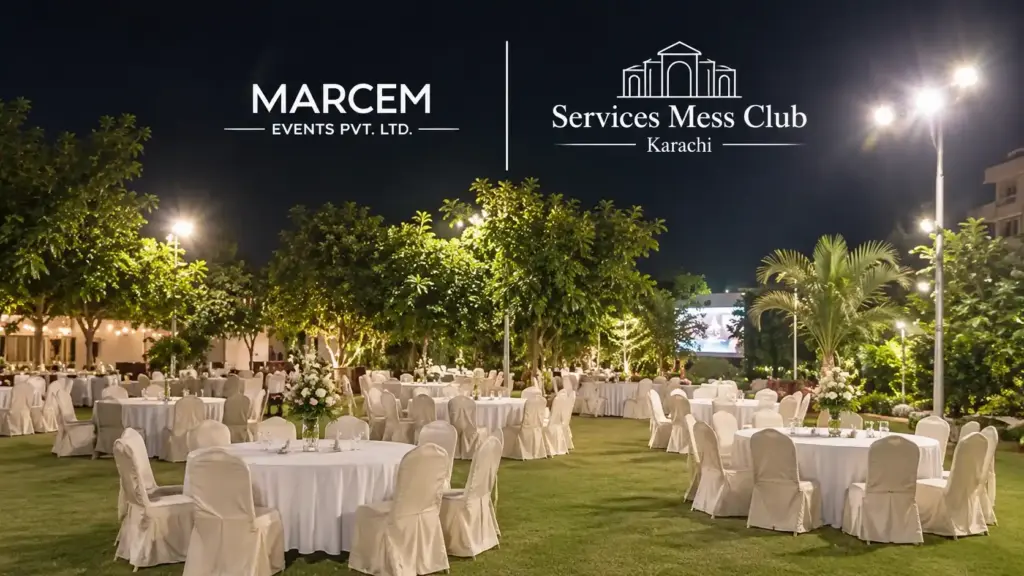

Choosing the right venue is one of the most important decisions when organising a corporate function, formal dinner, family gathering or social event. A suitable venue influences the atmosphere, guest experience, programme schedule and overall event arrangements.
For organisers considering a club venue in Karachi, Services Mess Club Karachi is a location worth researching. However, selecting a venue involves more than its name or location. Organisers should also consider the event requirements, available facilities, guest capacity, booking procedures and the venue’s policies.
This guide explains the main considerations when planning an event at Services Mess Club Karachi and how professional event coordination can help bring the different arrangements together.
Understanding the Venue and Its Suitability
Before making a booking decision, organisers should understand whether a venue is appropriate for their event.
Different functions have different requirements. A formal corporate dinner may need a structured seating arrangement, a presentation area and professional service coordination. A family gathering may require a more relaxed layout, suitable dining arrangements and convenient access for guests.
When researching Services Mess Club Karachi, organisers should confirm the venue’s current facilities, availability, capacity and applicable booking conditions directly with the relevant management.
It is also important to understand whether the venue permits external event planners, decorators, caterers, photographers or technical suppliers. These details should be confirmed before finalising the event plan.
1. Define the Purpose of the Event
Start by identifying the purpose of the function. This decision influences almost every other planning requirement.
For example, a corporate meeting may require:
-
A suitable seating layout
-
A presentation screen or audio-visual equipment
-
Registration arrangements
-
Refreshments and meal service
-
A defined programme and schedule
A formal dinner may require a different setup, including guest seating, dining coordination, stage arrangements and a suitable atmosphere.
A clear event objective helps organisers make practical decisions and avoid spending money on unnecessary arrangements.
2. Confirm Venue Availability and Booking Requirements
Once the event requirements are understood, contact the venue to confirm availability.
Ask about the available dates, booking process, payment terms, guest capacity, operating hours and any restrictions. Organisers should also clarify whether there are specific rules regarding decorations, sound systems, outside vendors, photography and food arrangements.
Do not assume that a facility or service is available simply because it is mentioned in an online description. Confirm all important details directly with the venue before making commitments.
3. Prepare a Realistic Event Budget
A realistic budget helps keep the event organised and financially manageable.
The budget should account for all major requirements, including:
-
Venue charges and applicable fees
-
Food and refreshments
-
Decoration and floral arrangements
-
Stage and seating setup
-
Audio-visual equipment
-
Photography and videography
-
Guest registration and hospitality
-
Transportation and operational requirements
-
Contingency expenses
It is useful to divide the budget into essential and optional expenses. This makes it easier to prioritise the arrangements that directly support the event’s purpose.
Organisers should also maintain a record of quotations, payments and supplier commitments.
4. Plan the Guest Experience
A successful event should be comfortable and easy for guests to attend.
Consider how guests will receive invitations, reach the venue, enter the event area and find their seats. For corporate functions, registration desks and clear event signage can help manage arrivals.
For formal dinners and social gatherings, seating arrangements should reflect the type of event and the expected guest list.
Food service also requires attention. Confirm the menu, serving schedule, dietary requirements and service arrangements in advance. The venue’s own food and outside catering policies should be checked before selecting a supplier.
5. Coordinate Decoration and Event Setup
The event setup should support the occasion without creating unnecessary complications.
Depending on the event, arrangements may include table settings, floral decorations, stage backdrops, entrance displays, branding elements and lighting.
Before finalising the design, check the venue’s decoration policies and any restrictions on installations, materials or setup timings.
A practical floor plan can help organisers understand how guests, staff and suppliers will move through the event space. It can also identify potential issues with entrances, seating, service areas and technical equipment.
6. Arrange Audio-Visual and Technical Requirements
Technical arrangements are particularly important for conferences, presentations, award ceremonies and corporate dinners.
Depending on the programme, organisers may need microphones, speakers, screens, projectors, presentation equipment and suitable lighting.
All equipment should be tested before guests arrive. The event team should also identify backup arrangements for important presentations and announcements.
If the venue has restrictions or existing technical facilities, these should be discussed with management before external equipment is arranged.
7. Prepare a Detailed Event Schedule
A written schedule helps everyone understand their responsibilities and deadlines.
A basic event timeline may include:
-
Venue access and setup
-
Decoration and technical installation
-
Supplier coordination
-
Final inspection
-
Guest arrival and registration
-
Opening remarks or programme
-
Meal service or main activity
-
Closing announcements
-
Guest departure and venue handover
Share the schedule with the relevant suppliers and event team. Assign responsibility for important tasks so that small delays do not affect the entire programme.
8. Consider Professional Event Coordination
Managing multiple suppliers, schedules and guest requirements can become complicated, especially when the event involves several activities.
An independent event management company can assist with planning, supplier coordination, decoration, production, hospitality and on-site execution, depending on the agreed scope of work.
MARCEM Events provides event planning and management services in Pakistan, including corporate functions, formal gatherings, weddings and other organised events.
Organisers researching Services Mess In Karachi can also review venue-specific information and event-planning considerations available on MARCEM’s website.
Any proposed work at a club venue must be subject to the venue’s approval, availability, applicable policies and permission for external service providers. Organisers should confirm these arrangements before engaging an event company.
9. Prepare for Unexpected Situations
Even a well-planned function can face unexpected challenges. A supplier may arrive late, technical equipment may require attention or the programme may run behind schedule.
A contingency plan should identify alternative arrangements for important services and clarify who is responsible for resolving issues.
Keep essential supplier contacts available, allow sufficient setup time and conduct a final inspection before guests arrive.
10. Review the Event After Completion
After the event, review what worked well and what could be improved.
Consider guest feedback, programme timing, supplier performance, budget management and any operational issues. For corporate functions, organisers may also assess attendance, participation and whether the event achieved its original objectives.
These observations can make future events more efficient and help improve planning decisions.
Conclusion
Planning a function at a club venue in Karachi requires careful preparation, clear communication and attention to operational details. From confirming venue availability and booking conditions to arranging guest hospitality, decoration, technical equipment and suppliers, every stage contributes to the overall experience.
Services Mess Club may be worth considering for organisers researching suitable venues, but the final decision should be based on confirmed facilities, availability, permissions and the requirements of the occasion.
With a clear plan and appropriate coordination, organisers can make informed decisions and prepare a well-managed event.
About the Author: Talha
Talha writes about event planning, venue selection and event management in Pakistan, with a focus on practical guidance for corporate and social occasions.