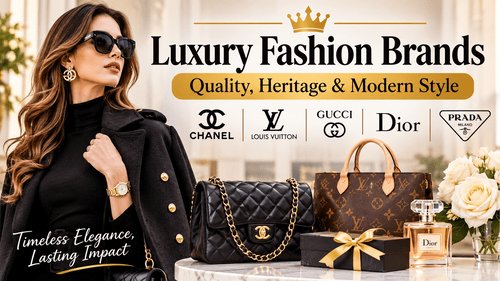

Fashion is more than clothing; it is a form of creativity, culture, and personal expression. Some fashion houses have become internationally recognized because of their unique designs, attention to detail, and long-standing traditions. Luxury Fashion Brands are often associated with premium materials, skilled craftsmanship, distinctive styles, and carefully developed brand identities. Their influence can be seen in clothing, handbags, footwear, accessories, and modern fashion trends.
What Makes a Fashion Brand Luxurious?
A luxury fashion label is not defined by its price alone. Several important qualities help distinguish premium fashion houses from ordinary clothing companies.
Quality materials: Luxury designers often select carefully sourced fabrics, leather, and other materials to create products with a refined finish.
Expert craftsmanship: Skilled professionals contribute to cutting, stitching, finishing, and detailing. These processes help create products with consistent construction.
Distinctive identity: Established fashion houses often have recognizable design features, logos, patterns, or visual styles.
Brand heritage: Some fashion labels have histories spanning several decades. Their traditions and creative development contribute to their reputation.
Attention to detail: Small design choices, including buttons, seams, lining, and finishing, can influence the overall appearance of a product.
The History and Development of Luxury Fashion:
Luxury fashion has developed through different periods of history. Early fashion houses became known for specialized tailoring, elegant garments, and attention to individual clients. Over time, designers expanded their collections and introduced new styles to wider audiences.
During the twentieth century, fashion houses gained international recognition through fashion shows, magazines, celebrity appearances, and retail expansion. Their collections began influencing everyday fashion as well as formal clothing.
Today, luxury fashion is a global industry. Traditional design techniques exist alongside modern technology, digital marketing, and changing consumer preferences. Many established labels continue to preserve their heritage while introducing contemporary collections.
Popular Luxury Fashion Brands Around the World:
Several fashion houses have developed strong international identities through their designs, history, and creative direction.
Chanel
Chanel is widely associated with elegant clothing, handbags, fragrances, and classic design elements. The fashion house has maintained a recognizable identity through its collections and distinctive approach to style.
Louis Vuitton:
Louis Vuitton is known for its travel heritage, leather goods, luggage, and recognizable monogram designs. Its collections include clothing, handbags, footwear, and accessories.
Gucci
Gucci is recognized for expressive designs, distinctive patterns, leather products, and bold creative choices. Its collections often combine traditional influences with contemporary fashion.
Dior
Dior has played an important role in modern fashion history. The brand is associated with elegant silhouettes, detailed craftsmanship, clothing, accessories, and beauty products.
Prada
Prada is known for its modern design approach and creative use of materials. Its collections often combine simplicity, experimentation, and refined styling.
These brands demonstrate how different creative identities can contribute to the international fashion industry.
How Craftsmanship Influences Luxury Fashion:
Craftsmanship is an important part of premium fashion production. A well-designed product requires more than an attractive appearance. Its construction, material selection, and finishing also matter.
Designers and production teams consider several stages when developing a collection. These may include researching ideas, creating sketches, selecting materials, preparing samples, and checking the finished products.
For example, a leather handbag may require careful material selection, precise cutting, strong stitching, and detailed finishing. Similarly, a tailored jacket depends on accurate measurements, fabric quality, and construction techniques.
These processes help explain why craftsmanship remains an important part of the identity of many established fashion houses.
The Role of Modern Trends in Luxury Fashion:
The fashion industry continues to change as consumer interests, technology, and cultural influences develop. Modern luxury collections often combine traditional design elements with new ideas.
Some important trends include:
Minimalist designs: Simple shapes, neutral colors, and clean details remain popular in many collections.
Sustainable materials: Some brands are exploring alternative materials and more responsible production practices.
Digital fashion marketing: Social media and online platforms help designers present collections to international audiences.
Personalized products: Custom details and selected design options allow customers to explore individual preferences.
Vintage inspiration: Older silhouettes and design references continue to influence contemporary collections.
These trends show how fashion houses can adapt while maintaining recognizable brand identities.
Discover More Fashion and Business Insights with Bizz Crave:
Understanding the fashion industry involves exploring design, business strategy, branding, and changing customer preferences. Bizz Crave offers readers an opportunity to explore business-related topics and informative content.
A strong fashion brand needs more than attractive products. Its identity, communication, customer experience, and market positioning all contribute to how people recognize it. Learning about these areas can help readers better understand the relationship between fashion and business.
How to Recognize Quality When Exploring Luxury Fashion?
Customers interested in premium fashion can consider several factors before choosing a product.
Examine the materials: Check the fabric, leather, lining, and other materials used in the product.
Look at the construction: Review stitching, seams, finishing, and the overall structure.
Research the brand: Learn about its history, product categories, and official collections.
Check product information: Read the description and care instructions to understand how the item should be maintained.
Purchase through reliable sellers: Official stores and authorized retailers can help customers verify product information and reduce the risk of counterfeit goods.
These steps encourage informed shopping decisions rather than relying only on a brand name or price.
The Future of Luxury Fashion:
The future of luxury fashion will likely involve a combination of traditional craftsmanship and modern innovation. Digital shopping experiences, changing customer expectations, and growing interest in responsible production are influencing how brands develop their collections.
Fashion houses may continue experimenting with new materials, production methods, and communication strategies. At the same time, heritage, creativity, and product quality are likely to remain important parts of their identities.
The ability to balance established traditions with new ideas will continue to shape the industry’s development.
Conclusion:
Luxury fashion has developed through creativity, craftsmanship, heritage, and changing cultural influences. Established fashion houses continue to shape the industry through distinctive collections and evolving design ideas. Understanding what makes a fashion label unique helps readers appreciate the work behind its products. From material selection to brand identity, every detail contributes to the wider world of premium fashion.
FAQ’s:
What are luxury fashion brands?
Luxury fashion brands are premium fashion houses known for their design identity, materials, craftsmanship, and distinctive products.
Which are some popular luxury fashion brands?
Chanel, Louis Vuitton, Gucci, Dior, and Prada are examples of internationally recognized fashion houses.
Why are luxury fashion products expensive?
Their prices can reflect material selection, design, craftsmanship, production processes, brand positioning, and other business costs.
Are luxury fashion brands influenced by modern trends?
Yes. Many fashion houses combine their traditional design identities with contemporary trends, technology, and changing customer interests.
How can customers check the quality of luxury fashion products?
Customers can examine materials, construction, finishing, product information, and the reliability of the seller.