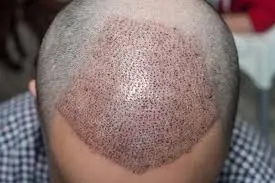

Hair loss does not always begin with noticeable bald patches or significant thinning. For many people, it starts with a slightly receding hairline, reduced density around the temples, or gradual thinning near the crown. Although these changes may seem minor, they can raise questions about future hair loss and possible restoration options. This often leads people to ask whether they can book a hair transplant consultation even when their hair loss is still mild.
The answer is yes. A hair transplant consultation can be helpful for individuals experiencing early-stage hair thinning. However, attending an appointment does not automatically mean that surgery is necessary. A professional assessment helps determine the cause of hair loss, evaluate scalp health, and understand whether a transplant is appropriate or whether other treatments should be considered first.
Why Should You Consider a Consultation for Mild Hair Loss?
Early hair loss can be difficult to evaluate without professional guidance. Some individuals experience temporary shedding, while others develop progressive hair thinning due to genetics, hormonal changes, nutritional deficiencies, or underlying scalp conditions.
A consultation helps identify the possible reasons behind these changes. Instead of making assumptions based on visible hair density, a qualified medical professional can assess the scalp, hair follicles, and overall pattern of hair loss.
Seeking advice early may also help individuals understand how their hair loss could progress. This information can support better long-term planning and prevent unnecessary decisions about surgical procedures.
What Signs Suggest You May Need a Hair Assessment?
Mild hair loss can appear in several ways. Recognising these changes can help you decide when to seek professional advice.
Common signs include:
-
Receding hairline: Gradual changes around the forehead and temples.
-
Reduced crown density: Hair becoming thinner around the top or back of the scalp.
-
Widening parting: More scalp becoming visible along the natural hair part.
-
Increased shedding: Noticeable hair fall during washing, brushing, or styling.
-
Uneven hair thickness: Certain scalp areas appearing less dense than others.
These symptoms do not automatically indicate that a hair transplant is required. A proper assessment is important because different types of hair loss need different approaches.
How Is Mild Hair Loss Evaluated Before Hair Transplantation?
A Hair Transplant in Dubai assessment involves more than examining the visible areas of thinning. Medical professionals consider several factors before deciding whether someone may benefit from hair restoration surgery.
1. Hair Loss Pattern
The location and distribution of thinning help determine whether hair loss follows a progressive pattern. For example, some individuals experience changes around the temples, while others notice reduced density at the crown.
2. Donor Area Quality
The donor area, usually located at the back and sides of the scalp, provides follicles for transplantation. Its density, follicle characteristics, and overall condition are important when evaluating surgical suitability.
3. Scalp Health
Scalp inflammation, infections, and certain skin conditions may contribute to hair shedding. These concerns should be identified and addressed before considering a surgical procedure.
4. Medical and Family History
Genetic patterns, medications, previous treatments, and health history can influence hair loss. Understanding these factors helps professionals develop a more appropriate management plan.
Is Hair Transplant Surgery Necessary for Early Hair Thinning?
Not necessarily. People with mild hair loss may have several treatment options depending on the underlying cause and their individual circumstances.
In some cases, medical treatments may help manage ongoing hair loss or improve existing hair density. Others may benefit from monitoring their hair changes before considering surgery.
A hair transplant is generally considered when there is sufficient donor hair, a suitable pattern of hair loss, and realistic expectations about the outcome.
Performing surgery too early may not always be beneficial. Hair loss can continue after transplantation, potentially affecting the appearance of the surrounding natural hair. This is why long-term planning is an important part of treatment decisions.
What Happens During a Hair Transplant Consultation in Dubai?
A hair transplant consultation usually begins with a discussion about the patient’s concerns, expectations, and hair loss history.
The assessment may include:
-
Reviewing the duration and progression of hair thinning.
-
Examining the scalp and existing hair density.
-
Evaluating donor hair availability.
-
Discussing previous hair loss treatments.
-
Identifying possible medical or lifestyle-related factors.
-
Explaining suitable treatment options and their limitations.
Patients can also discuss concerns about recovery, expected growth timelines, potential risks, and the possibility of requiring additional treatment in the future.
A consultation is an opportunity to understand the available options rather than a commitment to undergo surgery.
How Can Early Assessment Help With Long-Term Hair Restoration?
Early evaluation can provide useful information about the progression of hair loss. It allows individuals to understand whether their thinning is temporary, related to an underlying condition, or likely to become more noticeable over time.
It also helps establish realistic expectations. Hair transplantation redistributes existing follicles rather than creating new ones, so donor hair availability remains an important consideration.
Another benefit is the opportunity to explore non-surgical approaches when appropriate. Depending on the diagnosis, a medical professional may recommend monitoring, medication, or other hair restoration treatments before considering transplantation.
Regular follow-up assessments can also help track changes in hair density and treatment response.
Hair Transplant Consultation at Tajmeels Clinic
At Tajmeels Clinic, individuals considering a Hair Transplant in Dubai can seek professional guidance to understand their hair loss concerns and available restoration options. The consultation process focuses on evaluating hair density, scalp condition, donor area quality, and individual treatment expectations.
For people experiencing mild hair thinning, an assessment can help determine whether transplantation is appropriate or whether alternative approaches should be explored first. The treatment discussion can also consider hairline appearance, existing follicle distribution, and potential future hair loss.
The aim is to support informed decisions through an individualised assessment rather than recommending surgery based only on early signs of thinning.
What Questions Should You Ask During Your Consultation?
Preparing questions before your appointment can help you understand the procedure and make informed decisions.
Consider asking:
-
What could be causing my current hair thinning?
-
Am I a suitable candidate for hair transplantation?
-
Should I consider non-surgical treatments first?
-
How might my hair loss progress over time?
-
How much donor hair is available?
-
What results can I realistically expect?
Clear answers can help you understand the benefits, limitations, and possible next steps.
Conclusion
Booking a hair transplant consultation for mild hair loss is possible and can be a valuable first step towards understanding your hair restoration options. Early thinning does not always require surgery, but professional evaluation can help identify its cause and determine the most suitable approach. By assessing scalp health, donor hair quality, and future hair loss patterns, individuals can make informed decisions about managing their hair concerns.