
How to Choose the Right eSIM Data Plan for Your Travel Needs
International travel involves plenty of preparation, from booking accommodation and arranging transportation to planning activities and organizing essential documents. One detail that travelers sometimes overlook is mobile internet connectivity. Having access to reliable internet can make a significant difference when navigating unfamiliar destinations, communicating with family, checking reservations, and managing travel arrangements.
Traditional international roaming can be expensive, while purchasing a local SIM card may involve visiting a mobile store after arrival. An eSIM offers a more convenient alternative by allowing compatible smartphones to download a mobile data plan digitally.
However, selecting the right travel eSIM is not always straightforward. Different packages offer different data allowances, validity periods, network coverage, and pricing structures. The most suitable option depends on your destination, travel duration, and how frequently you use mobile internet.
Understanding these factors before purchasing can help you avoid unnecessary expenses and enjoy a smoother travel experience.
Why Choosing the Right eSIM Data Plan Matters
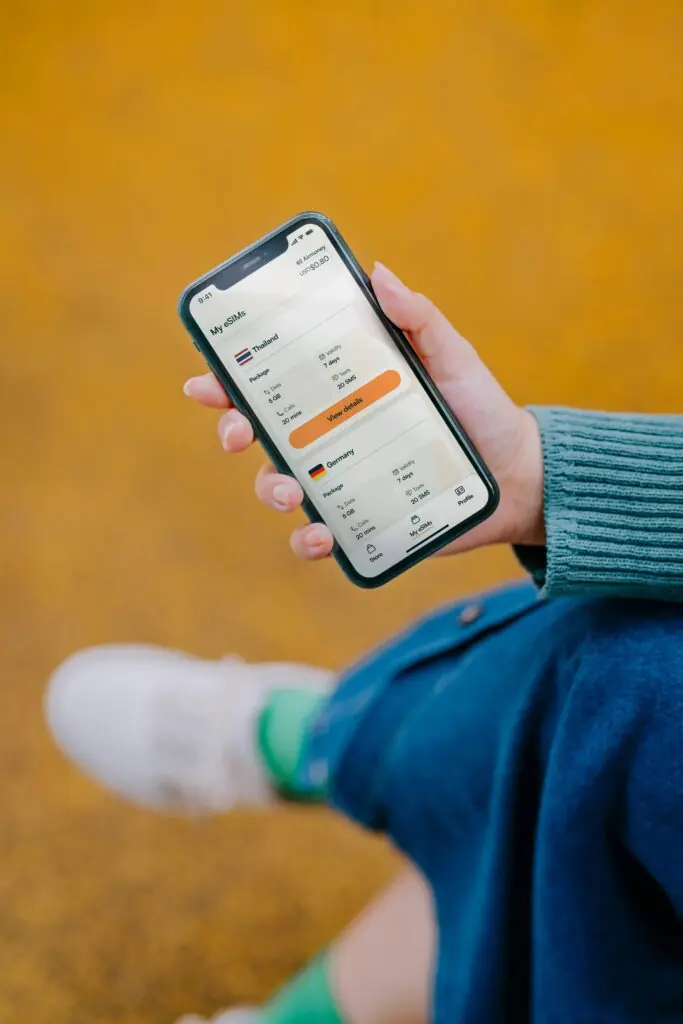
An eSIM is a digital SIM embedded in a compatible device. Instead of inserting a removable SIM card, users can install a mobile subscription through a QR code, application, or another supported activation method.
For international travelers, this technology makes arranging mobile connectivity easier. Many travel eSIM packages can be purchased before departure, allowing travelers to prepare their internet access in advance.
However, not every package provides the same experience. Some offer limited data allowances, while others advertise unlimited internet. Certain plans cover individual countries, whereas regional packages support multiple destinations.
Choosing a package without considering these differences can result in insufficient data, unexpected restrictions, or unnecessary spending.
1. Calculate Your Expected Mobile Data Usage
The first step is understanding how much internet you normally consume while traveling.
Your daily activities will determine whether a small data package is sufficient or whether you need a larger allowance.
Light Internet Users
Light users generally need mobile internet for basic activities, including:
-
Sending messages and checking emails.
-
Using navigation applications occasionally.
-
Searching for restaurants and attractions.
-
Checking transportation schedules.
-
Browsing websites.
If you regularly connect to hotel or café Wi-Fi, a smaller data package may be sufficient.
Moderate Internet Users
Moderate users rely on mobile data throughout the day but do not constantly stream videos or download large files.
Their activities may include browsing social media, sharing photographs, checking online travel information, and making occasional video calls.
A medium-sized package can provide greater flexibility for these activities.
Heavy Internet Users
Heavy users need a more generous allowance because they frequently consume mobile data.
Remote workers may attend online meetings, upload documents, and connect laptops through mobile hotspots. Travel content creators may regularly upload photographs and videos.
For these users, larger data packages or unlimited plans may be more appropriate.
Before purchasing, consider your normal smartphone usage and estimate whether your habits will change during the trip.
2. Match Your Data Package to Your Travel Duration
The length of your journey is another important factor.
A weekend holiday generally requires less data than a month-long international trip.
For a trip lasting one to three days, approximately 1–3 GB may be a reasonable starting point for basic internet activities.
For a four-to-seven-day vacation, light or moderate users may consider 3–5 GB.
Travelers staying for eight to fourteen days might consider 5–10 GB, while longer trips may require 10–20 GB or more.
These are general estimates rather than fixed requirements. Actual consumption depends on application settings, video streaming, navigation usage, and Wi-Fi availability.
It is also important to check the validity period. A package offering 5 GB for seven days will not necessarily suit someone traveling for ten days.
Selecting a plan that matches both your data requirements and travel duration can help you avoid paying for unused internet.
3. Understand the Different Types of Travel eSIM Packages
Before choosing a provider, understand how its packages are structured.
Fixed-Data Packages
Fixed-data packages provide a specific amount of mobile internet, such as 1 GB, 5 GB, 10 GB, or 20 GB.
They are suitable for travelers who can estimate their expected consumption.
For example, someone visiting a destination for one week and mainly using navigation, messaging, and occasional browsing may find a 5 GB package sufficient.
These plans also make budgeting easier because the available data allowance is clearly defined.
Unlimited Data Packages
Unlimited packages are designed for travelers who prefer not to monitor their data consumption constantly.
They can be useful for remote workers, frequent streamers, and travelers who regularly upload content.
However, unlimited does not always mean unrestricted high-speed internet. Some providers apply fair-use policies or reduce speeds after a particular usage threshold.
Always review the package conditions before purchasing.
Daily Data Packages
Daily packages provide a particular amount of data or an advertised unlimited allowance for each day.
For example, a package might include 1 GB per day for seven days.
This structure can help travelers manage their daily usage. However, unused data may not carry forward, depending on the provider’s terms.
4. Check Whether the Package Covers Your Destination
Destination coverage is one of the most important considerations when purchasing an international eSIM.
Some packages work in only one country, while others support several destinations within a particular region.
Choosing the correct coverage type can make international travel more convenient.
Traveling to Bali
Bali attracts travelers interested in beaches, cultural attractions, restaurants, and outdoor activities.
A suitable eSIM Bali package can help visitors access navigation applications, book transportation, communicate online, and share travel experiences.
Before purchasing, check which local mobile networks are supported and whether coverage is suitable for your intended destinations.
Visiting Pakistan
Travelers visiting Pakistan for family holidays, business, or tourism should consider their expected network requirements.
An eSIM Pakistan option can provide a convenient way to arrange mobile internet without purchasing a physical SIM card after arrival.
However, coverage should be checked carefully, particularly for travelers visiting smaller towns, mountainous regions, or remote destinations.
Exploring Multiple European Countries
Travelers visiting France, Germany, Italy, Spain, and other European destinations may benefit from a regional package.
An eSIM Europe plan can simplify connectivity when crossing borders between supported countries.
Instead of purchasing a separate package for each destination, travelers may be able to use one regional plan throughout their itinerary.
Always verify the provider’s list of supported countries before purchasing.
Traveling to Japan
Japan offers a combination of modern cities, traditional attractions, and scenic destinations.
An eSIM Japan package can help visitors use navigation services, translation applications, restaurant searches, and online booking platforms.
Compare data allowances, validity periods, and local network support to find a package that suits your trip.
5. Evaluate Network Coverage and Internet Speed
A generous data allowance is not particularly useful if the connection is unreliable.
Network quality should therefore be considered alongside package pricing and data limits.
Before purchasing, investigate which local mobile networks support the eSIM.
Check whether the package offers 4G or 5G connectivity and whether coverage extends beyond major cities.
This is particularly important for travelers visiting rural destinations, mountainous regions, or smaller tourist locations.
Remember that advertised 5G availability does not guarantee consistently faster speeds. Actual performance depends on network infrastructure, congestion, device compatibility, and signal strength.
A suitable network connection can make everyday travel activities much easier.
6. Review Activation Requirements and Validity Periods
Another important detail is understanding when your eSIM package becomes active.
Some providers start the validity period immediately after installation, while others begin counting when the eSIM connects to a supported network.
This difference matters if you purchase your package several days before departure.
For example, installing a ten-day package too early could reduce the number of days available during your actual holiday if its validity starts immediately.
Before installation, review the provider’s instructions and confirm when the validity period begins.
Whenever possible, complete the recommended setup before departure using a reliable Wi-Fi connection. Follow the provider’s instructions regarding when to enable the data plan.
7. Look for Hotspot Support and Additional Features
Travelers sometimes need mobile internet on more than one device.
If you plan to connect a laptop, tablet, or another smartphone through your travel eSIM, check whether personal hotspot functionality is supported.
Other useful features include:
Data top-ups: The ability to purchase additional data can be helpful when your original allowance runs out.
Customer support: Reliable assistance is valuable if you experience installation or connectivity problems abroad.
Multiple network access: Some packages provide access to more than one supported local network.
Refund conditions: Understanding the refund policy can help you make a more informed purchase.
Voice and SMS availability: Many travel eSIMs are data-only. Check whether traditional calls or text messages are included if you need them.
These additional features can make a considerable difference to your overall experience.
8. eSIM vs Physical SIM: Which Is More Convenient?
Travelers often consider eSIM vs physical SIM technology before choosing an international connectivity option.
Both provide access to mobile networks, but their installation methods differ.
An eSIM is a digital SIM embedded in a compatible smartphone. Users can download a mobile subscription without inserting a removable card.
Its main advantages include convenient digital installation, no need to carry an additional SIM card, and the possibility of keeping a compatible home SIM active alongside a travel eSIM.
A physical SIM card is a removable card inserted into a smartphone. It remains a practical option for people whose devices do not support eSIM technology or those who prefer purchasing a local package directly from a mobile operator.
For many international travelers, an eSIM offers greater convenience because connectivity can be arranged before departure.
However, the right choice depends on device compatibility, destination requirements, and personal preferences.
Before purchasing, confirm that your smartphone supports eSIM technology and is unlocked for use with another carrier.
9. Practical Ways to Make Your Travel Data Last Longer
After purchasing your package, managing your mobile data can help you avoid running out before the end of your trip.
Consider these practical habits:
-
Download offline maps before leaving your accommodation.
-
Disable automatic application updates over mobile data.
-
Reduce video streaming quality when using cellular internet.
-
Turn off automatic cloud backups for photographs and videos.
-
Use trusted Wi-Fi networks for large downloads.
-
Monitor your remaining data allowance regularly.
Google Maps supports downloading certain geographical areas for offline navigation. Travelers can read Google’s official offline maps instructions before departure.
It is also useful to check your smartphone’s data usage statistics before traveling. This can provide a better understanding of which applications consume the most internet.
10. Final Checklist Before Buying a Travel eSIM
Before completing your purchase, review a few essential details.
Make sure your smartphone supports eSIM technology and is not carrier-locked.
Confirm that your package covers every country on your itinerary and provides sufficient data for your expected activities.
Check the validity period, activation rules, network availability, hotspot support, and any fair-use restrictions.
Finally, find out whether additional data can be purchased if your original allowance is insufficient.
Taking these steps can help you select a package that supports your travel requirements without unnecessary expenses.
Conclusion
Choosing the right eSIM data plan for your travel needs involves more than comparing prices and data allowances.
You should consider your daily internet usage, travel duration, destination coverage, network quality, activation requirements, and additional features.
Light users may find smaller packages sufficient, while remote workers and frequent streamers may benefit from larger or unlimited plans.
The most suitable option is the one that matches your itinerary and provides reliable connectivity without paying for features you do not need.
With a little preparation, an eSIM can simplify international connectivity and allow you to concentrate on exploring new destinations, enjoying your holiday, and staying connected wherever your journey takes you.
Frequently Asked Questions
1. How much eSIM data do I need for a seven-day holiday?
For a seven-day trip, 3–5 GB can be a reasonable starting point for light or moderate internet usage. Travelers who frequently stream videos, upload content, or make video calls may need 10 GB or more.
2. Can I use one travel eSIM in multiple countries?
Yes, regional and global eSIM packages can support multiple countries. However, you should verify that every destination on your itinerary is included in the provider’s coverage list.
3. Is an unlimited eSIM data package worth buying?
An unlimited package can be useful for heavy internet users, remote workers, and travelers who regularly stream content. However, check for fair-use policies, speed reductions, and hotspot restrictions before purchasing.
4. Should I install my eSIM before traveling?
Installing an eSIM before departure is generally convenient because you can complete the setup using a reliable Wi-Fi connection. However, check when the package’s validity period begins to avoid losing usable days.
5. Can I keep my physical SIM while using a travel eSIM?
Many compatible smartphones support dual-SIM functionality. This allows travelers to keep their regular physical SIM active while using a travel eSIM for mobile data. Device capabilities and carrier restrictions may vary.