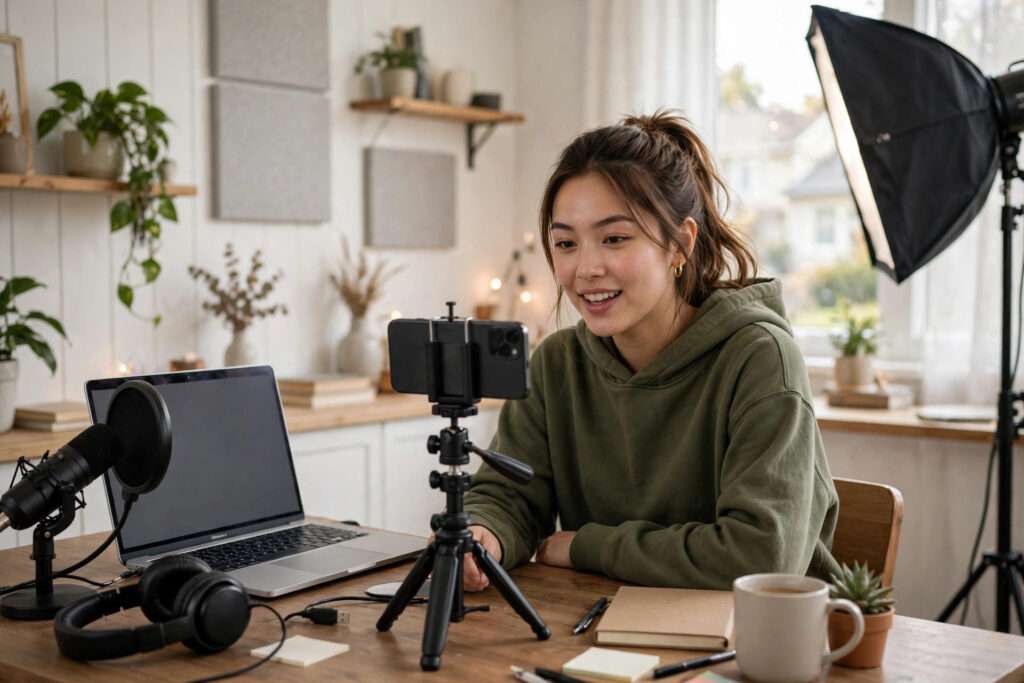

In Pakistan, influencer marketing is no longer an experiment. From Lahore fashion labels to Karachi food brands and Islamabad tech startups, businesses are putting real budgets behind creators on TikTok, Instagram, and YouTube.
Yet many brands still come away disappointed. They pay a creator with 500,000 followers, the video gets views, and then almost nothing happens — no enquiries, no sales, no sign-ups.
The problem is rarely influencer marketing itself. It is how brands choose influencers. Follower count is easy to see, but it tells you very little about whether an audience will trust a recommendation and act on it.
If you are planning a campaign in 2026, here is a practical way to find creators in Pakistan who actually convert.
1. Start with the audience, not the influencer
Before you look at any profile, write down who you need to reach.
Are they women aged 18 to 30 in Lahore who shop online? Are they young professionals in Karachi interested in fitness? Are they parents in Islamabad looking for educational products for their children?
A creator can be popular and still be wrong for you if their audience does not match your buyer. Ask for audience insights before you agree a price: age, gender, city, and what kind of content gets the most saves and shares, not just likes.
A useful test is simple. Look at the last ten posts and read the comments. Are people asking where to buy, what the price is, or how to order? Or are the comments mostly generic — “nice”, “beautiful”, “amazing”? Buying intent in the comments is a far better signal than a large follower number.
2. Check engagement properly
A healthy engagement rate in Pakistan varies by platform and niche, but the pattern matters more than one viral post.
Look for consistency. Does the creator get steady comments and shares, or did one video go viral three months ago and everything since has been quiet? Check whether the same people return to comment, whether the creator replies, and whether followers tag friends.
Be careful with sudden spikes. A jump from 2,000 views to 200,000 views overnight, with no change in content quality, deserves a closer look. Ask the creator to share screen-recorded insights from the platform itself, not just screenshots.
You should also check the quality of the followers. If most comments come from accounts with no profile picture, no posts, and names that look generated, that audience is unlikely to buy from you.
3. Micro-influencers often outperform celebrities in Pakistan
Big names can build awareness, but they are expensive and their audiences are broad. For many Pakistani brands, especially small and medium businesses, micro-influencers with 5,000 to 50,000 followers deliver better results.
Their audiences are usually more local and more loyal. A food creator in Sialkot, a modest-fashion creator in Lahore, or a tech reviewer in Karachi often has followers from the same city who trust their recommendations for nearby shops and online stores.
Micro-influencers are also easier to work with. They are more likely to try the product properly, give honest feedback, and create content in Urdu, Punjabi, or a natural mix of English and Urdu that feels real to their audience.
That does not mean you should ignore larger creators. It means you should match the size of the creator to the goal. Use a larger creator for a launch or a Ramadan or Eid campaign, and use several micro-influencers for steady sales over a month.
Working with an experienced influencer marketing agency in Pakistan can help here, because you can compare creators by niche, city, and audience instead of searching one profile at a time.
4. Look for creators who already talk about your category
The best partnerships feel natural. If a creator already posts about skincare, their audience expects skincare recommendations. If they suddenly promote a car loan, a cement brand, and a hair oil in the same week, their followers will notice — and they will stop trusting the recommendations.
Before you shortlist anyone, scroll back at least two months. Have they worked with your competitors? Have they promoted too many unrelated brands? Do they use the type of product you sell in their daily life?
A creator who genuinely uses your category will create better content with less direction from you. They know the questions their audience asks, the objections they have, and the language that works.
Ask for examples of past brand work and, if possible, what happened after it was posted. Good creators will be honest about what worked and what did not. That honesty is a good sign.
5. Brief the creator properly — then let them create
Many campaigns fail because the brief is either too vague or too rigid.
Give the creator the essentials: who the product is for, the one main benefit to focus on, the price and where to buy it, any claims they must not make, and the deadline. Then give them room to present it in their own style.
Pakistani audiences can tell quickly when a creator is just reading a script. The videos that convert are usually the ones where the creator explains the product in their own words, shows it being used, and answers a real question from their followers.
Agree on deliverables in writing: how many videos or posts, whether you need a story, a reel, and a TikTok version, how long the post will stay up, and whether you can reuse the content in your own ads. Clear terms protect both sides and avoid arguments later.
6. Measure more than views
Views are the easiest number to report, but they are not the goal for most brands.
Decide your main metric before the campaign starts. It might be WhatsApp enquiries, website visits, discount-code uses, app installs, or in-store visits. Give each creator a different code or trackable link so you can see who actually drove results.
After the campaign, compare creators on cost per enquiry or cost per sale, not just cost per view. A creator who charged Rs. 20,000 and brought 40 enquiries performed better than a creator who charged Rs. 100,000 and brought 30 enquiries, even if the second video had more views.
Keep a simple record of what worked: creator name, niche, city, platform, fee, reach, enquiries, and sales. Over two or three campaigns, you will have your own shortlist of reliable creators in Pakistan — and that list is worth more than any public ranking.
Final thought
Influencer marketing in Pakistan works best when brands stop chasing fame and start looking for fit. The right creator is not always the biggest one. It is the one whose audience matches your customer, whose content already fits your category, and whose followers actually ask questions and buy.
Start small, test with a few micro-influencers, measure properly, and then scale what works. That approach saves budget, builds trust with customers, and turns one campaign into a repeatable channel for growth.
To explore vetted creators by category and location, you can browse Talented Community and shortlist influencers in Pakistan who match your brand, audience, and budget.
About the author
Talented Community connects Pakistani brands with verified influencers and content creators across TikTok, Instagram, and YouTube. Brands can discover creators by niche, city, and audience, and plan campaigns built around real results.