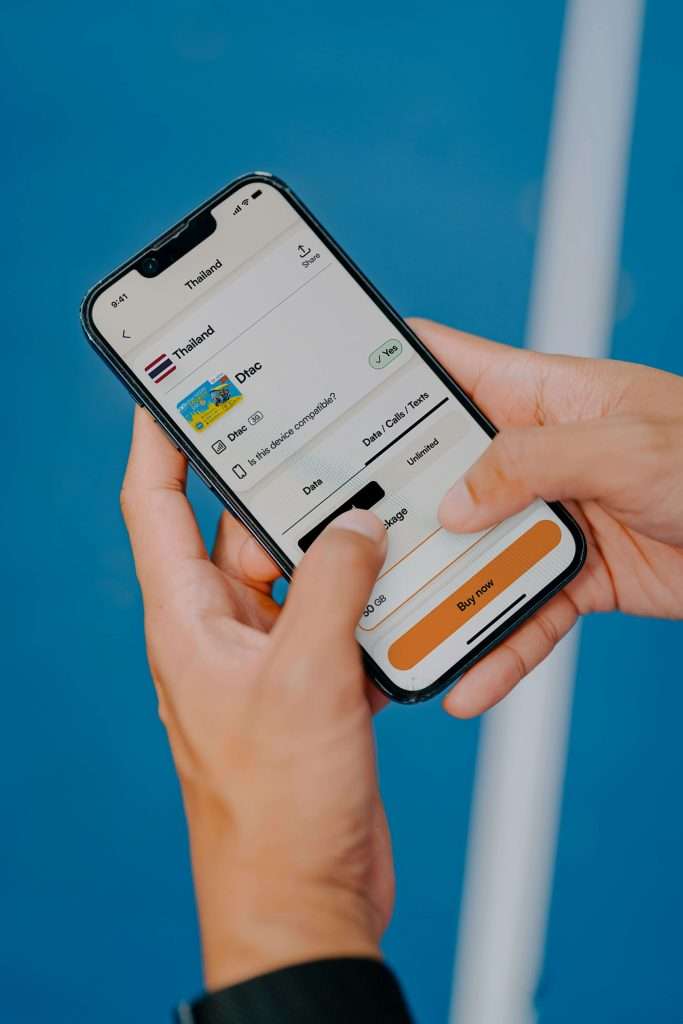

How eSIM Technology Is Changing the Future of International Travel
International travel has become easier in many ways, but staying connected across borders has not always been simple. Travelers have traditionally had to choose between expensive roaming packages, buying a local SIM card after landing, or depending on public Wi-Fi for navigation, communication, and essential travel information.
eSIM technology is changing that experience. By allowing compatible devices to download a mobile network profile digitally, an eSIM makes it possible to arrange mobile connectivity before leaving home and activate a suitable plan for a destination without inserting a physical SIM card.
For tourists, business travelers, digital nomads, and frequent international flyers, this technology offers a more flexible way to stay connected. It can simplify airport arrivals, help travelers manage mobile expenses, and make it easier to navigate unfamiliar places.
As more devices and mobile providers support eSIM connectivity, understanding how it works—and how to choose the right plan—is becoming an important part of modern travel planning.
What Is eSIM Technology, and How Does It Work?
An eSIM, short for embedded SIM, is a digital SIM capability built into a compatible device. Instead of inserting a removable SIM card, users can download a carrier profile and connect to a supported mobile network.
The process is generally straightforward:
- Check device compatibility: Confirm that your smartphone supports eSIM and is not locked to a carrier that restricts other networks.
- Choose a suitable plan: Select a country-specific, regional, or global plan based on your destination and expected data usage.
- Install the eSIM: Follow the provider’s instructions, which may involve scanning a QR code or installing the profile through an app.
- Activate it as instructed: Some plans activate when installed, while others start when they connect to a supported network or reach the destination.
- Configure mobile data: Select the travel eSIM for data and review your primary SIM’s roaming settings to avoid unexpected charges.
The technology is supported by industry specifications developed by the GSMA, which describes eSIM as a way to securely download mobile subscription credentials to a device.
The main difference for travelers is convenience: there is no need to remove a physical SIM card or find a shop selling local SIMs after arrival.
Why eSIM Technology Is Changing International Travel
1. Travelers Can Connect Before They Reach Their Destination
One of the biggest advantages of a travel eSIM is the ability to prepare connectivity before departure.
Imagine arriving in Tokyo after a long flight. You need to find your hotel, check train routes, translate a sign, or message your family that you have arrived safely. Without mobile data, completing these simple tasks may require airport Wi-Fi or assistance from someone nearby.
With a correctly installed and activated travel eSIM, you may be able to connect as soon as your phone reaches a supported network.
This is particularly helpful for solo travelers, families arriving at busy airports, and business travelers working against tight schedules.
However, installation and activation rules vary by provider. Always check when the validity period begins so that you do not accidentally use up a short-duration plan before your trip.
2. It Gives Travelers More Control Over Roaming Costs
International roaming can be convenient, especially when a home carrier offers a suitable travel package. However, rates and allowances vary considerably between carriers and destinations.
A prepaid travel eSIM provides another option. Travelers can often select a data allowance and validity period in advance, making it easier to estimate the cost of staying connected.
For example, someone taking a five-day city break may need only a modest data package for maps, messaging, transport apps, and occasional browsing. A remote worker spending a month abroad may require substantially more data or a plan that supports hotspot use.
The important point is that an eSIM is not automatically cheaper than roaming. The best option depends on the destination, data allowance, network access, validity period, and whether calls and SMS are included.
Compare the total cost and included services rather than choosing a plan solely because its advertised starting price looks low.
3. Multi-Country Trips Become Easier to Manage
Travelers visiting several countries have often needed to purchase separate SIM cards or pay for international roaming throughout their itinerary.
Regional eSIM plans can simplify this process by providing coverage across multiple supported destinations under one plan. Depending on the package, a traveler might use the same eSIM while moving between countries instead of arranging a new local SIM at every border.
For example, someone visiting France, Spain, Italy, and Germany could consider a regional eSIM Europe plan rather than purchasing four separate country-specific packages.
Before buying, check the precise country list. Geographic regions do not always correspond to a provider’s coverage area, and some destinations may be excluded or subject to different network conditions.
4. Digital Connectivity Makes Travel More Flexible
Modern travelers use mobile data for far more than social media. It supports digital boarding passes, navigation, ride-hailing, translation, hotel bookings, banking verification, remote work, and communication with travel companions.
An eSIM can make these services more accessible without requiring a physical SIM replacement.
It can also help people keep their existing number available for calls or SMS while using a separate eSIM for mobile data, provided their device and carrier support dual-SIM functionality. Travelers should confirm which line handles calls, texts, and data before departure.
This flexibility is especially valuable for people who travel frequently and want to separate their regular mobile service from their travel connectivity.
How eSIM Technology Helps in Different Destinations
Not every destination presents the same connectivity challenges. Choosing a plan that matches the trip is just as important as choosing the technology itself.
Japan: Easier Navigation and Everyday Communication
Japan’s major cities offer extensive transport options, and mobile connectivity can help visitors navigate railway stations, check train schedules, translate menus, and find restaurants.
Travelers researching an eSIM Japan plan should consider the length of their stay, expected data use, and whether their itinerary includes rural areas as well as major cities.
For a short visit, a modest data package may be enough for maps and messaging. Travelers who upload videos, use navigation throughout the day, or work remotely may need a larger allowance.
Dubai: Staying Connected While Exploring the UAE
Visitors to Dubai often rely on mobile data for digital maps, transport bookings, restaurant reservations, attraction tickets, and communication with hotels.
An eSIM Dubai option can be useful for travelers who want to arrange connectivity before arriving in the United Arab Emirates.
Check whether the plan covers the UAE as a whole or has specific network or coverage restrictions. Also verify that the services you rely on are permitted and function as expected under local rules.
Spain: Convenient Connectivity for City Breaks and Longer Stays
Spain attracts visitors who combine city sightseeing with beach holidays, rail journeys, and trips to smaller towns.
A suitable eSIM Spain plan can support navigation, digital tickets, translation, and communication throughout the trip.
Travelers visiting several European countries should compare a Spain-only package with a regional plan. The best choice depends on where the traveler is going, how long they will stay, and whether they want to change plans between destinations.
United States: Connectivity Across a Large Country
Travel in the United States can involve long road trips, multiple cities, national parks, and substantial distances between destinations. Mobile coverage may vary considerably between urban areas and remote regions.
Before selecting an eSIM USA plan, check which local networks it uses and whether coverage meets the needs of your route.
A plan that works well in New York or Los Angeles may not deliver the same experience in a remote mountain area. Travelers heading into less populated regions should download offline maps and keep essential travel information accessible without mobile data.
eSIM vs. Traditional SIM Cards vs. International Roaming
Each connectivity option has advantages. The right choice depends on your phone, destination, trip length, and preferred way to manage mobile service.
| Feature | Travel eSIM | Physical SIM | International roaming |
|---|---|---|---|
| Setup | Digital installation | Insert a card | Usually uses your existing SIM |
| Availability | Can often be purchased before departure | May require a shop or delivery | Depends on your home carrier |
| Cost control | Prepaid plans may make costs easier to predict | Local prepaid options can offer good value | Depends on your carrier’s package and rates |
| Keep your existing SIM | Often possible on compatible dual-SIM devices | Usually requires a SIM slot or dual-SIM device | Yes |
| Device compatibility | Requires eSIM support | Requires a compatible physical SIM slot | Requires carrier and network compatibility |
| Best suited for | Travelers who value convenience and flexibility | Travelers who prefer local plans or have incompatible devices | Travelers who prioritize continuity with their home number |
A travel eSIM is not always the cheapest option, and a physical SIM is not always inconvenient. The most useful comparison considers total cost, network coverage, data limits, and the time required to get connected.
How to Choose the Right Travel eSIM
With numerous providers and plan types available, it helps to compare a few practical details before purchasing.
Check the coverage first
Confirm that the plan supports every country on your itinerary. If you plan to visit several destinations, verify the regional coverage list rather than relying on the plan’s name.
Estimate your data requirements
Your data needs depend on your habits. Messaging and occasional navigation usually require less data than video streaming, large uploads, or remote work.
Think about how much you will use mobile data outside Wi-Fi coverage, and choose an allowance that provides a reasonable buffer.
Review speed and network access
An advertised 4G or 5G connection does not guarantee the same performance everywhere. Speeds depend on the local carrier, signal strength, congestion, device compatibility, and provider arrangements.
If you will be working online, check hotspot support, fair-use limits, and any restrictions on tethering.
Understand activation and expiry
Find out when the plan starts, how long it remains valid, and whether unused data expires. Installing an eSIM and activating a plan are not necessarily the same event.
Compare support and refund terms
Reliable instructions and responsive customer support can be especially useful when connectivity problems occur abroad. Read the provider’s refund policy, including what happens if a plan has been installed but cannot connect.
Travelers comparing providers can use Top eSIM Review to explore destination-specific rankings and evaluate options according to coverage, pricing, speed, app experience, and support.
For another option, travelers can also explore HelloRoam’s international travel eSIM plans and compare the available destinations, data allowances, and validity periods against their own requirements.
What Are the Limitations of Travel eSIMs?
Although eSIM technology offers clear advantages, it does not eliminate every connectivity problem.
Your device must be compatible. Some phones do not support eSIM, and certain carrier-locked devices may restrict which profiles can be installed.
Coverage is not universal. An eSIM depends on partner mobile networks. Service can be weaker in remote areas, inside some buildings, or where local infrastructure is limited.
Data plans may not include calls or SMS. Many travel eSIMs are data-only. You may need your existing SIM, a supported internet-calling service, or another option for conventional phone calls and text messages.
Some services require additional verification. Banking apps, account recovery systems, and two-factor authentication may still depend on your home number or carrier.
Installation requires careful handling. Follow the provider’s instructions and avoid deleting an installed eSIM unless you know it can be reinstalled. Some profiles have restrictions on reinstallation or transfer.
A sensible travel setup includes an eSIM where appropriate, offline maps, saved booking details, a charged power bank, and access to important contacts even when mobile data is unavailable.
The Future of International Travel Connectivity
The future of eSIM technology is about more than replacing plastic SIM cards. It is about making mobile connectivity easier to arrange, manage, and adapt as people move between countries.
As eSIM support expands across smartphones and other connected devices, travelers may have more opportunities to compare plans digitally, manage multiple profiles, and select connectivity according to their destination and travel habits.
This could be particularly useful for international business travel, extended stays, remote work, and trips that cross multiple borders. It may also encourage providers to compete more directly on coverage, pricing, and customer experience.
However, the quality of the experience will continue to depend on local network infrastructure, device support, provider partnerships, and transparent plan terms. Digital activation alone cannot guarantee strong coverage or lower costs in every destination.
For travelers, the practical lesson is simple: connectivity should be part of the trip-planning process, not something to figure out only after landing.
Final Thoughts
eSIM technology is making international travel connectivity more flexible by allowing compatible devices to access mobile plans digitally. It can reduce the hassle of finding physical SIM cards, make travel data easier to arrange before departure, and give travelers more control over how they stay connected.
The best results come from choosing a plan that matches the destination, itinerary, data requirements, and budget. Travelers should check compatibility, coverage, activation rules, and included services before purchasing.
Whether you are planning a short city break, a multi-country European holiday, or a longer trip across the United States, a little preparation can make staying connected abroad considerably easier.
Before your next trip, compare the available plans, confirm that your phone supports eSIM, and arrange a connectivity option that suits the way you travel.
FAQs
What is an eSIM, and how does it work when traveling internationally?
An eSIM is a digital SIM capability built into a compatible device. Travelers can install a mobile plan digitally and connect to a supported network abroad without inserting a physical SIM card.
Is an eSIM better than international roaming?
An eSIM can offer better cost control and flexibility when a suitable prepaid plan is available. However, international roaming may be more convenient for travelers who need to keep their existing mobile service active. Compare the total price, coverage, and included services before deciding.
Can I use my regular SIM and a travel eSIM at the same time?
Yes, many compatible dual-SIM smartphones support using a physical SIM and an eSIM together. You may be able to keep your regular number for calls and messages while using the travel eSIM for mobile data. Exact functionality depends on your phone and carrier.
Should I install my travel eSIM before leaving home?
Usually, yes. Installing it before departure gives you time to troubleshoot compatibility or setup issues while you still have reliable internet access. Check the provider’s activation instructions first because some plans begin their validity period upon installation.
Does a travel eSIM work everywhere in a country?
No. Coverage depends on the local mobile networks supported by the provider, signal strength, and network availability. Check the coverage details for your specific destinations, especially if you plan to visit rural areas.
Suggested Image Ideas With Alt Text
Image 1: Staying connected at the airport
Traveler using a smartphone to stay connected at an international airport
Image 2: How a travel eSIM works
Smartphone with digital SIM settings for international mobile connectivity
Image 3: Real-world travel connectivity
Traveler using mobile navigation while exploring Tokyo