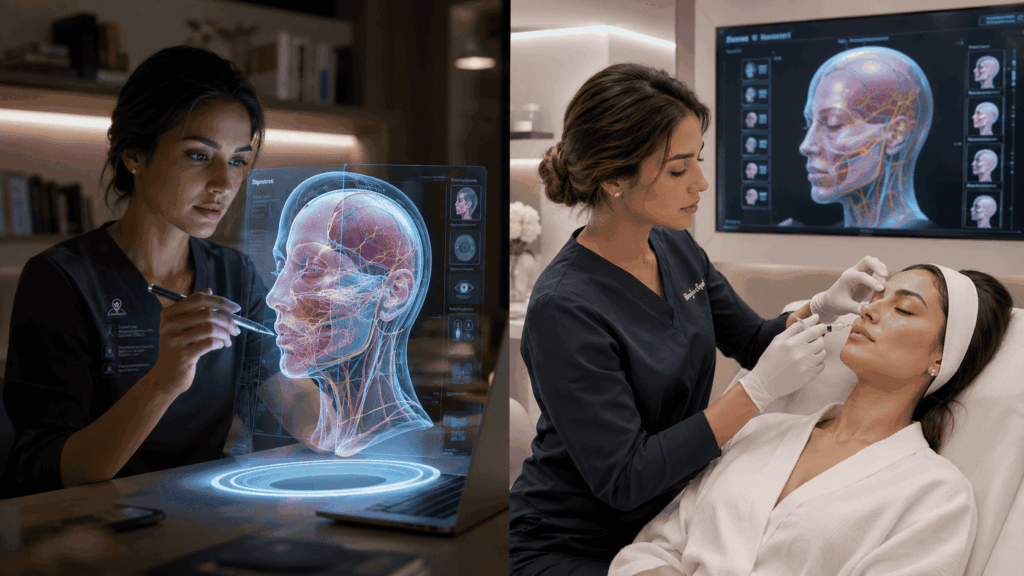

The growing demand for aesthetic medicine has increased the need for healthcare professionals to understand how different skin types respond to cosmetic treatments. Physicians, registered nurses, nurse practitioners, physician assistants, dentists, and other eligible healthcare providers must consider factors such as pigmentation, sensitivity, healing response, and treatment risks when developing skincare plans.
One of the most important frameworks in aesthetic practice is the Fitzpatrick Skin Type Classification System, which helps professionals evaluate how skin may respond to procedures involving energy devices, chemical exfoliation, and other advanced treatments. Understanding these differences is essential for creating safer and more personalized patient experiences.
Many healthcare professionals exploring aesthetic medicine now consider skincare certification online programs to develop deeper knowledge of skin anatomy, pigmentation concerns, patient assessment, and evidence-based skincare approaches. Specialized education can help providers better understand diverse skin characteristics and improve their ability to make informed treatment decisions.
However, effective aesthetic care requires more than learning procedures. It requires understanding individual patient factors, recognizing potential risks, and applying appropriate clinical judgment.
Understanding Fitzpatrick Skin Types in Aesthetic Practice
The Fitzpatrick Skin Type Classification System was developed to categorize skin based on its response to ultraviolet (UV) exposure, particularly the tendency to burn or tan. Although originally created for dermatological research, it has become widely used in aesthetic medicine to help assess treatment considerations.
The classification includes six general skin types:
Type I:
Very fair skin that usually burns and rarely tans.
Type II:
Fair skin that burns easily and tans minimally.
Type III:
Medium skin that may burn initially but gradually tans.
Type IV:
Olive or light brown skin that tans easily and rarely burns.
Type V:
Brown skin that tans easily with a lower tendency to burn.
Type VI:
Deeply pigmented skin that rarely burns.
For aesthetic professionals, understanding these categories can support safer treatment planning. However, Fitzpatrick classification is only one assessment tool and should not replace a complete patient evaluation.
Why Skin of Color Requires Specialized Treatment Considerations
Skin of color refers to individuals with higher levels of melanin, including many patients with Fitzpatrick Types IV, V, and VI. These patients may have different responses to certain aesthetic procedures compared with lighter skin types.
Melanin plays an important role in how skin reacts to energy-based treatments and inflammation. Higher melanin concentration can increase the risk of certain complications when treatments are not appropriately customized.
Important considerations for skin of color include:
Increased risk of post-inflammatory hyperpigmentation (PIH)
Greater sensitivity to aggressive treatments
Need for customized treatment settings
Importance of proper recovery protocols
Careful evaluation of pigmentation concerns
Aesthetic professionals who understand these differences can create treatment strategies that prioritize safety and patient satisfaction.
How Skincare Certification Online Helps Professionals Understand Skin Diversity
A skincare certification online program can provide healthcare professionals with foundational knowledge about skin biology, pigmentation, and treatment planning.
For professionals entering aesthetic medicine, education should include concepts such as:
Melanin production and pigmentation pathways
Skin barrier function
Inflammatory responses
Skin aging processes
Treatment-related risks
Patient-specific care planning
This knowledge helps practitioners move beyond one-size-fits-all approaches and develop personalized skincare strategies.
For example, a treatment approach suitable for a patient with Fitzpatrick Type II skin may not be appropriate for someone with Type V skin. Understanding these differences allows professionals to modify treatment intensity, product selection, and recovery recommendations.
Treatment Planning Considerations for Different Skin Types
Effective aesthetic treatment planning begins with a detailed patient assessment. Before recommending procedures, professionals should evaluate multiple factors beyond skin type.
Patient History
A complete assessment should consider:
Previous aesthetic procedures
History of pigmentation changes
Current skincare routine
Medication use
Sun exposure habits
Existing skin conditions
Medical history can influence how a patient responds to treatment and whether certain procedures are appropriate.
Skin Condition Assessment
Providers should evaluate concerns such as:
Acne and acne scarring
Hyperpigmentation
Melasma
Uneven skin tone
Texture concerns
Signs of photoaging
Each condition may require a different approach depending on the patient\’s skin characteristics.
Treatment Customization
Personalized treatment planning may involve adjusting:
Treatment intensity
Device settings
Chemical peel strength
Recovery recommendations
Skincare products
Customization is particularly important when treating patients with darker skin tones who may have a higher risk of pigmentation complications.
Skin of Color Considerations in Common Aesthetic Treatments
Different procedures require careful planning when treating diverse skin types.
Chemical Peels
Chemical exfoliation can improve concerns such as pigmentation, texture, and acne. However, stronger formulations or inappropriate treatment selection may increase irritation and pigmentation risks, particularly in darker skin types.
Professionals should understand:
Acid types
Concentration levels
Skin preparation
Patient suitability
Post-treatment care
Laser and Light-Based Treatments
Laser procedures require careful consideration because melanin absorbs certain wavelengths of light. Incorrect settings can increase the possibility of burns, discoloration, or uneven pigmentation.
Providers must understand concepts such as:
Wavelength selection
Energy settings
Cooling mechanisms
Fitzpatrick classification
Patient monitoring
Microneedling
Microneedling is often used for concerns such as acne scars and skin texture. While it can be suitable for many skin types, professionals should evaluate active inflammation, healing ability, and pigmentation history before treatment.
The Importance of Advanced Skincare Training for Inclusive Patient Care
As aesthetic medicine becomes more diverse, healthcare professionals need education that reflects real-world patient populations.
Advanced skincare training helps providers develop knowledge in areas such as:
Inclusive skincare practices
Evidence-based treatment planning
Skin assessment techniques
Patient consultation
Procedure safety
Managing treatment expectations
Healthcare professionals who understand diverse skin responses can provide more responsible and personalized care.
Choosing the Right Skin Care Courses Online
The availability of skin care courses online has made advanced education more accessible for healthcare professionals. However, selecting a quality program requires careful evaluation.
Professionals should look for courses that include:
Scientific Foundations
Programs should explain skin anatomy, physiology, pigmentation mechanisms, and treatment principles.
Clinical Relevance
Training should connect theoretical concepts with real patient scenarios and treatment decisions.
Safety Education
Courses should cover contraindications, risks, complications, and appropriate patient selection.
Evidence-Based Information
Reliable education should focus on research-supported practices rather than temporary trends.
The Future of Personalized Skincare Education
The future of aesthetic medicine is moving toward personalized treatment approaches based on individual biology, skin characteristics, and patient goals.
Healthcare professionals who understand Fitzpatrick skin types and skin of color considerations are better positioned to provide informed recommendations and safer treatment experiences.
Educational pathways such as ABACT’s Skin Therapist Diploma help eligible healthcare professionals explore professional skincare concepts, skin assessment principles, and advanced aesthetic education.
Conclusion
Understanding Fitzpatrick skin types and skin of color considerations is essential for modern aesthetic professionals. A skincare certification online program can help healthcare providers build knowledge about pigmentation, treatment planning, patient assessment, and safer skincare practices.
While education does not replace professional licensing or regulatory requirements, specialized training can strengthen clinical understanding and support better decision-making. By combining scientific knowledge with personalized care strategies, healthcare professionals can better serve diverse patient populations and provide more effective aesthetic solutions.
FAQs
1. Why is Fitzpatrick skin type important in aesthetic treatments?
Fitzpatrick skin type helps professionals understand how skin may respond to procedures involving lasers, chemical peels, and other treatments. It supports safer treatment planning but should be combined with a complete patient assessment.
2. Is skin of color more sensitive to aesthetic treatments?
Skin of color is not necessarily more sensitive, but it may have a higher risk of certain complications, such as post-inflammatory hyperpigmentation, when treatments are not properly customized.
3. Can healthcare professionals learn about skin of color through online skincare courses?
Yes. Many healthcare-focused skincare programs include education about pigmentation, skin assessment, treatment planning, and patient safety considerations.
4. What topics should advanced skincare training include?
Advanced skincare training should cover skin anatomy, patient assessment, treatment risks, pigmentation concerns, procedure selection, and evidence-based skincare practices.
5. Does understanding Fitzpatrick skin types replace professional clinical training?
No. Fitzpatrick classification is an assessment tool. Healthcare professionals still need appropriate education, licensing, and competency training for performing aesthetic procedures.