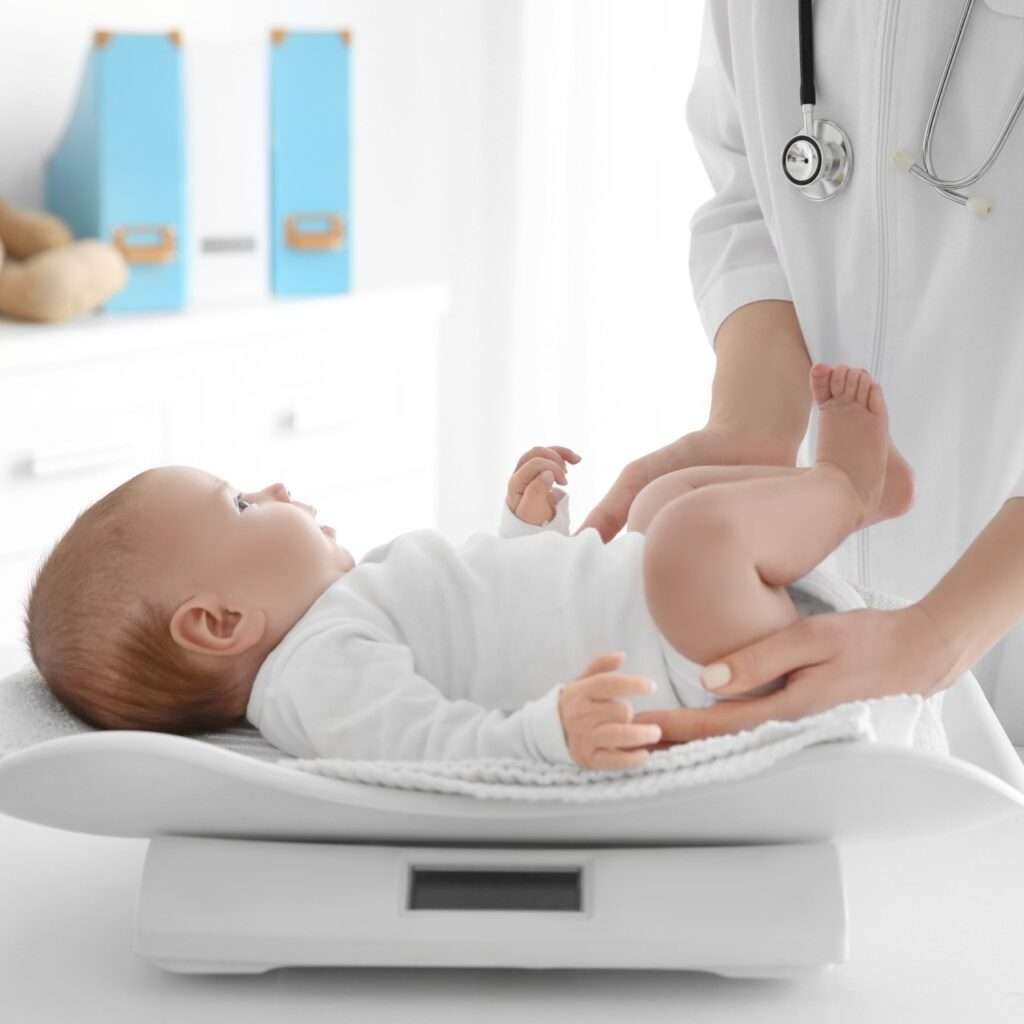

Introduction
The arrival of a newborn brings happiness, excitement, and many new responsibilities for parents. One of the most important steps after birth is the first baby check-up. This examination allows healthcare providers to evaluate the baby’s overall health, identify possible concerns early, and guide parents about newborn care. Understanding what happens during this visit can help parents feel more prepared and confident.
What Is the First Baby Check-Up?
The first baby check-up is a complete health evaluation performed shortly after birth. It is usually done within the first few days of life, either in the hospital before discharge or during the first visit with a pediatrician.
During this examination, the pediatrician checks important aspects of the newborn’s health, including physical development, fee ding habits, weight changes, reflexes, and signs of possible medical issues. Since newborns experience many changes during their first weeks, regular check-ups help ensure healthy growth and development.
The first examination is not only about checking the baby but also about educating parents. Pediatricians provide guidance on breastfeeding, sleeping patterns, hygiene, vaccinations, and warning signs that require medical attention.
Why Is the Newborn Examination Important?
A newborn baby’s body goes through major adjustments after birth. The baby must adapt from receiving oxygen and nutrients through the placenta to breathing and feeding independently. The first baby check-up helps doctors confirm that these changes are happening normally.
Early examinations are important because some health conditions may not show obvious symptoms in the beginning. Detecting problems early can lead to faster treatment and better outcomes.
The newborn examination helps with:
- Checking physical health and growth
- Detecting birth-related conditions
- Monitoring weight and feeding progress
- Evaluating hearing and vision
- Reviewing newborn screening results
- Providing parents with essential care instructions
A timely check-up gives parents peace of mind and creates a strong foundation for the baby’s future healthcare.
What Happens During the First Baby Check-Up?
The newborn examination includes several steps. The pediatrician carefully evaluates different parts of the baby’s body and reviews important health information.
Review of Birth History
The doctor begins by discussing the baby’s birth details. This includes information such as:
- Pregnancy history
- Delivery method
- Birth weight and length
- Any complications during delivery
- Time spent in the hospital after birth
This information helps the pediatrician understand the baby’s health background and identify any possible risks.
Physical Examination of the Newborn
The physical examination is a detailed assessment of the baby’s body. The pediatrician checks different areas to make sure everything is developing properly.
The examination usually includes:
|
Area Checked |
Purpose |
|
Head and skull |
Checks shape, soft spots, and growth |
|
Eyes |
Looks for normal eye movement and possible concerns |
|
Ears |
Evaluates structure and hearing response |
|
Mouth |
Checks feeding ability and oral development |
|
Heart |
Listens for normal heartbeat and possible murmurs |
|
Lungs |
Checks breathing patterns and sounds |
|
Abdomen |
Examines organs and umbilical cord area |
|
Skin |
Looks for jaundice, rashes, or birthmarks |
|
Hips and limbs |
Checks movement and joint development |
This examination helps doctors identify any physical concerns that may need follow-up.
Monitoring Baby’s Weight and Growth
Weight monitoring is one of the most important parts of the first baby check-up. It is normal for newborns to lose some weight during the first few days after birth. However, doctors carefully monitor whether the baby is gaining weight appropriately.
The pediatrician checks:
- Current weight compared with birth weight
- Feeding frequency
- Urine and stool patterns
- Signs of dehydration
Healthy weight gain usually indicates that the baby is receiving enough nutrition. If problems are found, the pediatrician may provide feeding advice or recommend additional support.
Newborn Screening Tests
Newborn screening tests are performed to identify certain health conditions before symptoms appear. These tests are important because early treatment can prevent serious complications.
Common newborn screenings include:
Blood Screening
A small blood sample is taken from the baby’s heel to check for certain inherited and metabolic conditions.
Hearing Screening
Hearing tests help identify hearing difficulties early. Early detection allows parents and healthcare providers to support language and communication development.
Heart Screening
A test called pulse oximetry may be used to check oxygen levels and identify certain heart problems.
Eye Examination
Doctors may check the baby’s eyes to detect conditions that could affect vision.
These screenings are quick, safe, and provide valuable information about the newborn’s health.
Vaccinations and Preventive Care
The first baby check-up is also an opportunity to discuss vaccinations and preventive healthcare. Vaccines protect newborns from serious infections and are given according to recommended schedules.
The pediatrician explains:
- Which vaccines are needed
- When future doses should be given
- Possible mild reactions after vaccination
Parents can also discuss vitamin supplements, especially vitamin D, which is commonly recommended for breastfed babies.
Feeding and Nutrition Guidance
Feeding is one of the biggest concerns for new parents. During the first check-up, pediatricians provide guidance about proper nutrition.
For breastfeeding mothers, doctors may discuss:
- Correct breastfeeding techniques
- Feeding frequency
- Signs that the baby is getting enough milk
- Common breastfeeding challenges
For formula-fed babies, parents receive advice about safe preparation and feeding amounts.
Good nutrition during the newborn period supports healthy brain development, growth, and immunity.
Common Concerns Parents Discuss During the Visit
Many parents have questions during the first baby check-up. The pediatrician helps address common newborn concerns, including:
- Baby crying patterns
- Sleep routines
- Spitting up after feeding
- Umbilical cord care
- Bathing and skin care
- Safe sleeping positions
- Normal newborn behaviors
Parents should feel comfortable asking questions because understanding newborn care reduces stress and improves confidence.
Signs That Require Immediate Medical Attention
Although many newborn changes are normal, some symptoms require medical evaluation.
Parents should contact a healthcare provider if the baby has:
- Difficulty breathing
- Poor feeding
- Extreme sleepiness or difficulty waking
- Fever
- Blue lips or skin color changes
- Fewer wet diapers than expected
- Persistent vomiting
Recognizing these warning signs can help prevent serious health problems.
How Often Should a Baby Visit the Pediatrician?
The first baby check-up is only the beginning of regular healthcare visits. Pediatric appointments help track growth, development, and overall health.
Typical visits occur during:
- The first week after birth
- The first month
- Two months
- Four months
- Six months
- Nine months
- Twelve months
The schedule may vary depending on the baby’s health needs and the pediatrician’s recommendations.
Book Online Appointment with Best Pediatrician via InstaCare
Parents who want expert guidance for their newborn’s health can book an online appointment with the best pediatrician via InstaCare. Professional pediatric consultations help parents understand newborn care, monitor growth, address concerns, and receive reliable medical advice from experienced child healthcare specialists.
Conclusion
The first baby check-up is an essential step in ensuring a newborn’s healthy start in life. This examination allows pediatricians to evaluate physical development, monitor growth, identify possible health concerns, and guide parents through early childcare.
For new parents, this visit provides valuable knowledge and reassurance during an important transition period. Regular pediatric check-ups, proper nutrition, vaccinations, and timely medical advice help support a baby’s healthy growth and development.
Frequently Asked Questions (FAQs)
- When should a newborn have the first baby check-up?
Most newborns should have their first pediatric check-up within the first few days after birth, usually within one week. The exact timing depends on the baby’s health and hospital discharge plan.
- What does a pediatrician check during a newborn examination?
A pediatrician checks the baby’s weight, height, head size, reflexes, heart, lungs, skin, feeding habits, and overall physical development during the newborn examination.
- Is weight loss normal after birth?
Yes, mild weight loss during the first few days after birth is common. However, pediatricians monitor weight carefully to ensure the baby starts gaining weight appropriately.
- What questions should parents ask during the first baby check-up?
Parents can ask about feeding, sleeping, vaccinations, vitamin supplements, diaper changes, crying patterns, and any concerns about the baby’s behavior or health.
- How important are newborn screening tests?
Newborn screening tests are very important because they can detect certain health conditions early, allowing timely treatment and improving the baby’s long-term health outcomes