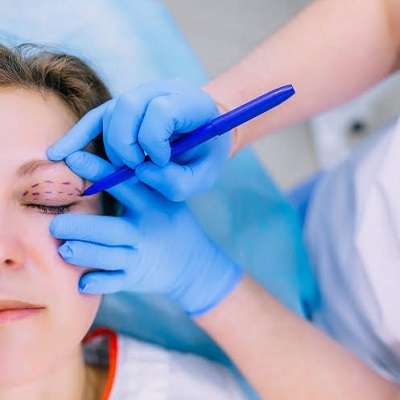

The eyes play an important role in facial appearance and often reveal signs of ageing before other areas of the face. Drooping eyelids, wrinkles, fine lines, and under-eye puffiness can make an individual appear tired or older than they feel. As a result, many people explore cosmetic treatments to achieve a fresher, more youthful appearance. Two popular options are eyelid surgery and Botox. Although both treatments can improve the appearance of the eye area, they work in very different ways and address different concerns.
For individuals considering Eyelid Surgery in Muscat, understanding the differences between surgical and non-surgical treatments can make the decision easier. Eyelid surgery, also known as blepharoplasty, removes or repositions excess skin and fat around the eyelids, while Botox temporarily relaxes specific facial muscles to soften expression lines. The most suitable option depends on the individual’s concerns, skin condition, desired results, and expectations.
Both treatments have advantages, but neither is universally better. A closer look at their benefits, limitations, recovery periods, and long-term results can help individuals understand which approach may be more appropriate.
1. What Is Eyelid Surgery and How Does It Work?
Eyelid surgery is a cosmetic procedure designed to improve the appearance of the upper eyelids, lower eyelids, or both. It is commonly recommended for individuals experiencing loose eyelid skin, drooping upper eyelids, under-eye bags, and excess fat around the eyes.
As the skin ages, it gradually loses collagen and elasticity. The muscles and supporting tissues around the eyes may also become weaker, allowing skin and fat to shift. These changes can create a heavy, tired, or aged appearance.
Blepharoplasty addresses these structural concerns through carefully planned surgical adjustments.
Upper Eyelid Surgery
Upper eyelid surgery focuses on removing excess skin and, when appropriate, adjusting underlying fat. It can improve the appearance of heavy or drooping upper eyelids and create a more open, refreshed look.
In some individuals, excessive upper eyelid skin may also interfere with peripheral vision. When this occurs, an eyelid procedure may have functional as well as cosmetic benefits.
Lower Eyelid Surgery
Lower eyelid surgery primarily addresses under-eye bags, puffiness, and loose skin. Depending on the individual’s anatomy, the procedure may involve removing or repositioning excess fat and tightening surrounding tissues.
The goal is to create a smoother transition between the lower eyelid and cheek while maintaining a natural appearance.
What Makes Eyelid Surgery Different?
Unlike temporary cosmetic treatments, eyelid surgery physically changes the tissues responsible for certain ageing concerns. Excess skin that has been removed does not simply grow back in its original form.
However, surgery does not stop the natural ageing process. The surrounding skin and tissues continue to change over time, meaning some additional laxity or wrinkles may eventually develop.
2. What Is Botox and How Does It Improve the Eye Area?
Botox is a non-surgical cosmetic treatment that uses botulinum toxin to temporarily relax selected facial muscles. It works by reducing the nerve signals responsible for muscle contractions, helping soften wrinkles caused by repeated facial expressions.
Around the eyes, Botox is commonly used to improve dynamic wrinkles, particularly those that appear when an individual smiles, squints, or makes other facial expressions.
Crow’s Feet Reduction
Crow’s feet are fine lines that develop around the outer corners of the eyes. They often become more noticeable during smiling and squinting.
Botox can relax the muscles responsible for these repeated movements, making the lines appear softer and less prominent.
Subtle Eyebrow Lifting
In selected individuals, carefully placed Botox injections may create a subtle eyebrow lift by adjusting the balance between muscles that raise and lower the eyebrows.
This approach may improve the appearance of mildly lowered brows, although it cannot remove significant excess eyelid skin.
Softening Expression Lines
Botox can also help reduce certain forehead lines and frown lines that contribute to an aged or tired appearance.
However, it is important to understand that Botox does not remove excess skin, eliminate prominent under-eye bags, or reposition protruding fat deposits.
How Long Does Botox Last?
The effects of Botox are temporary. Most individuals notice improvements within several days, with the full effect generally developing within approximately two weeks.
Results commonly last around three to four months, although individual experiences vary. Repeat treatments may be required to maintain the improvement.
3. Eyelid Surgery vs. Botox: What Are the Main Differences?
Although both treatments can improve the appearance of the eye area, they target different causes of facial ageing. Understanding these differences is essential when selecting an appropriate treatment.
Feature | Eyelid Surgery | Botox |
|---|---|---|
Treatment type | Surgical | Non-surgical injections |
Main purpose | Removes or repositions excess tissue | Relaxes selected facial muscles |
Best suited for | Drooping eyelids, excess skin, under-eye bags | Crow’s feet and expression lines |
Results | Long-lasting | Temporary |
Recovery | Requires a healing period | Usually minimal downtime |
Duration | Often several years or longer | Approximately 3–4 months |
Skin removal | Yes, when indicated | No |
Fat adjustment | Possible, depending on the procedure | No |
Repeat treatment | Occasionally considered | Usually required to maintain results |
Differences in Treatment Approach
The biggest difference is that eyelid surgery addresses physical changes in the eyelid structure, whereas Botox addresses wrinkles caused by repeated muscle movements.
For example, an individual with loose upper eyelid skin may benefit more from surgery because Botox cannot remove the excess tissue.
On the other hand, someone whose main concern is wrinkles around the outer corners of the eyes may achieve a noticeable improvement with Botox without undergoing surgery.
Differences in Results
Eyelid surgery generally offers longer-lasting improvements because it directly addresses excess skin and fat.
Botox provides temporary wrinkle reduction, making it more suitable for individuals who want a non-surgical option and are comfortable maintaining results through repeat treatments.
Neither treatment prevents the natural ageing process, and both require realistic expectations.
4. Which Option Is Better for Different Eye-Area Concerns?
Choosing between eyelid surgery and Botox becomes easier when the underlying concern is identified. The most appropriate treatment depends on whether the issue involves excess skin, fat deposits, muscle movement, or changes in skin quality.
For Drooping Upper Eyelids
Eyelid surgery is generally more suitable for individuals with significant excess upper eyelid skin.
The procedure can remove the loose tissue responsible for the heavy appearance and create a more defined eyelid contour.
Botox may provide a subtle eyebrow lift in carefully selected cases, but it cannot correct substantial eyelid skin laxity.
For Under-Eye Bags
Lower eyelid surgery is often a more appropriate option when prominent under-eye bags result from protruding fat deposits or excess lower eyelid skin.
Botox does not remove or reposition these fat deposits. Therefore, it is generally not considered a direct treatment for prominent under-eye bags.
Mild puffiness may have other causes, including fluid retention, allergies, and lifestyle factors, which should be evaluated before considering a cosmetic procedure.
For Crow’s Feet
Botox is often the preferred option for wrinkles that appear around the outer corners of the eyes during smiling.
These lines are primarily associated with repeated muscle contractions, making them suitable for treatment with muscle-relaxing injections.
Eyelid surgery is not specifically designed to treat crow’s feet.
For Fine Lines and Wrinkles
The choice depends on the type of wrinkles.
Dynamic wrinkles, which appear during facial expressions, may respond well to Botox. Static wrinkles, which remain visible even when the face is relaxed, may require other approaches depending on their depth and cause.
Eyelid surgery can improve loose skin but does not eliminate every fine line around the eyes.
For a Tired or Aged Appearance
Some individuals have several concerns at the same time, such as drooping upper eyelids, under-eye bags, and crow’s feet.
In such cases, a personalised treatment plan may involve one procedure or a combination of different treatments. A qualified professional can assess the underlying causes and determine which approach is most appropriate.
5. Recovery Time, Risks, and Long-Term Results: What Should Patients Expect?
Recovery is another important factor when comparing eyelid surgery and Botox. Both treatments have different healing requirements, possible side effects, and long-term considerations.
Recovery After Eyelid Surgery
Eyelid surgery requires a proper recovery period because it involves surgical changes to delicate tissues.
During the initial days, patients may experience:
Swelling around the eyelids.
Bruising and temporary discolouration.
Mild discomfort or tightness.
Temporary dryness or irritation.
Sensitivity around the treated area.
Most visible bruising and swelling gradually improve over one to two weeks, although complete healing and scar maturation may take several months.
Patients should follow all post-operative instructions, avoid strenuous activities for the recommended period, and attend scheduled follow-up appointments.
Potential Risks of Eyelid Surgery
Like any surgical procedure, blepharoplasty carries certain risks. These may include infection, bleeding, scarring, dry eyes, asymmetry, difficulty closing the eyes, and changes in eyelid position.
In rare cases, serious complications affecting vision may occur. A detailed pre-operative assessment helps identify potential risk factors and improve treatment planning.
Recovery After Botox
Botox generally involves minimal downtime. Most individuals can return to normal daily activities shortly after treatment.
Some temporary side effects may include:
Mild redness at the injection site.
Small areas of swelling.
Minor bruising.
Temporary headache.
Temporary eyelid or eyebrow drooping in some cases.
Patients are usually advised to follow the injector’s aftercare instructions and avoid rubbing or massaging the treated area immediately after injections.
Long-Term Results
Eyelid surgery usually offers results lasting several years. Upper eyelid surgery may provide improvements for approximately five to ten years or longer, while lower eyelid surgery can produce results lasting ten to fifteen years or more.
Botox generally lasts three to four months, after which muscle activity gradually returns and expression lines may become noticeable again.
The duration of either treatment depends on individual anatomy, ageing patterns, lifestyle, and treatment technique.
6. How to Choose Between Eyelid Surgery and Botox in Muscat?
Individuals exploring cosmetic treatments often want a solution that provides visible improvements without unnecessary procedures. However, selecting the right option requires understanding the actual cause of the concern rather than choosing a treatment based only on popularity.
For people considering Eyelid Surgery in Muscat, a professional consultation can help determine whether the concern is related to excess skin, fat distribution, muscle activity, or a combination of factors.
Several considerations can help guide the decision.
Identify the Main Concern
The first step is identifying what makes the eye area appear older or tired.
Excess upper eyelid skin may require surgical correction.
Prominent under-eye bags may benefit from lower eyelid surgery.
Crow’s feet may respond well to Botox.
Mild eyebrow drooping may be suitable for selected non-surgical approaches.
Multiple ageing concerns may require a combined treatment plan.
Consider the Desired Results
Individuals seeking a long-term structural improvement may prefer eyelid surgery if they have suitable anatomical concerns.
Those who want temporary wrinkle reduction without surgery may prefer Botox.
Understanding the expected results can help prevent disappointment and unnecessary treatments.
Evaluate Overall Health
Medical history is important when deciding whether cosmetic treatment is appropriate.
Eye conditions, dry eyes, previous eyelid procedures, allergies, medications, and general health may influence treatment suitability.
A qualified specialist should review these factors before recommending surgery or injections.
Understand the Limitations of Each Treatment
Neither procedure can address every sign of ageing.
Eyelid surgery cannot completely eliminate crow’s feet or prevent future wrinkles. Similarly, Botox cannot remove loose skin or correct significant fat-related under-eye bags.
Recognising these limitations helps individuals make informed decisions based on achievable improvements.
Choose an Individualised Treatment Plan
There is no single treatment that suits everyone. Some individuals may benefit from eyelid surgery alone, while others may achieve their desired appearance with Botox.
In selected cases, both treatments may complement one another when used for different concerns. However, the timing and suitability of combined treatments should be determined by an appropriately qualified professional.
Frequently Asked Questions About Eyelid Surgery vs. Botox
1. Is eyelid surgery better than Botox for drooping eyelids?
Eyelid surgery is generally more effective for significant drooping caused by excess upper eyelid skin. Botox may create a subtle eyebrow lift in selected individuals, but it cannot remove loose eyelid skin. The appropriate treatment depends on the underlying cause of the drooping.
2. Can Botox replace eyelid surgery?
Botox cannot fully replace eyelid surgery because the treatments address different concerns. It can soften expression lines and provide subtle lifting effects, but it cannot remove excess skin or correct prominent fat deposits around the eyes.
3. How long do eyelid surgery results last compared with Botox?
Eyelid surgery generally provides longer-lasting results. Upper eyelid surgery may last five to ten years or longer, while lower eyelid surgery may last ten to fifteen years or more. Botox typically lasts around three to four months and requires repeat treatments to maintain its effects.
4. Is Botox safer than eyelid surgery?
Botox is less invasive and generally involves fewer recovery requirements. However, it still carries risks, including temporary eyelid drooping, bruising, and other injection-related complications. Eyelid surgery involves greater recovery requirements and surgical risks. The safety of either treatment depends on individual health, technique, and professional expertise.
5. Can eyelid surgery and Botox be performed together?
Yes, selected individuals may benefit from combining the two treatments because they address different concerns. Eyelid surgery can improve excess skin and under-eye bags, while Botox can soften expression lines. A specialist should determine the appropriate timing and suitability of both procedures.
6. Who is an ideal candidate for eyelid surgery in Muscat?
An ideal candidate is generally an adult with concerns such as drooping upper eyelids, excess eyelid skin, or prominent under-eye bags who is in suitable overall health and has realistic expectations. A professional assessment is necessary to determine whether surgery is appropriate and whether any eye-related conditions need further evaluation.
Final Thoughts
Both eyelid surgery and Botox can improve the appearance of the eye area, but they serve different purposes. Eyelid surgery is generally more suitable for individuals with excess eyelid skin, drooping tissues, or prominent under-eye bags. Botox is often a better option for those who want to soften crow’s feet and other expression-related wrinkles without undergoing surgery.
The better choice depends on the individual’s facial anatomy, specific concerns, desired results, and willingness to undergo surgery or maintain temporary improvements through repeat treatments.
For individuals exploring Eyelid Surgery in Muscat, understanding the differences between these treatments is an important first step towards making an informed decision. A personalised consultation with a qualified specialist can help identify the most suitable approach while considering eye health, safety, and natural-looking results.
Ultimately, the goal should not simply be to look younger but to achieve a refreshed appearance that complements the individual’s natural facial features while maintaining healthy eyelid function.
Read More About Eyelid Surgery in Muscat: https://neorural.es/read-blog/109610